
Debate Centered Instruction Changes How Students Learn
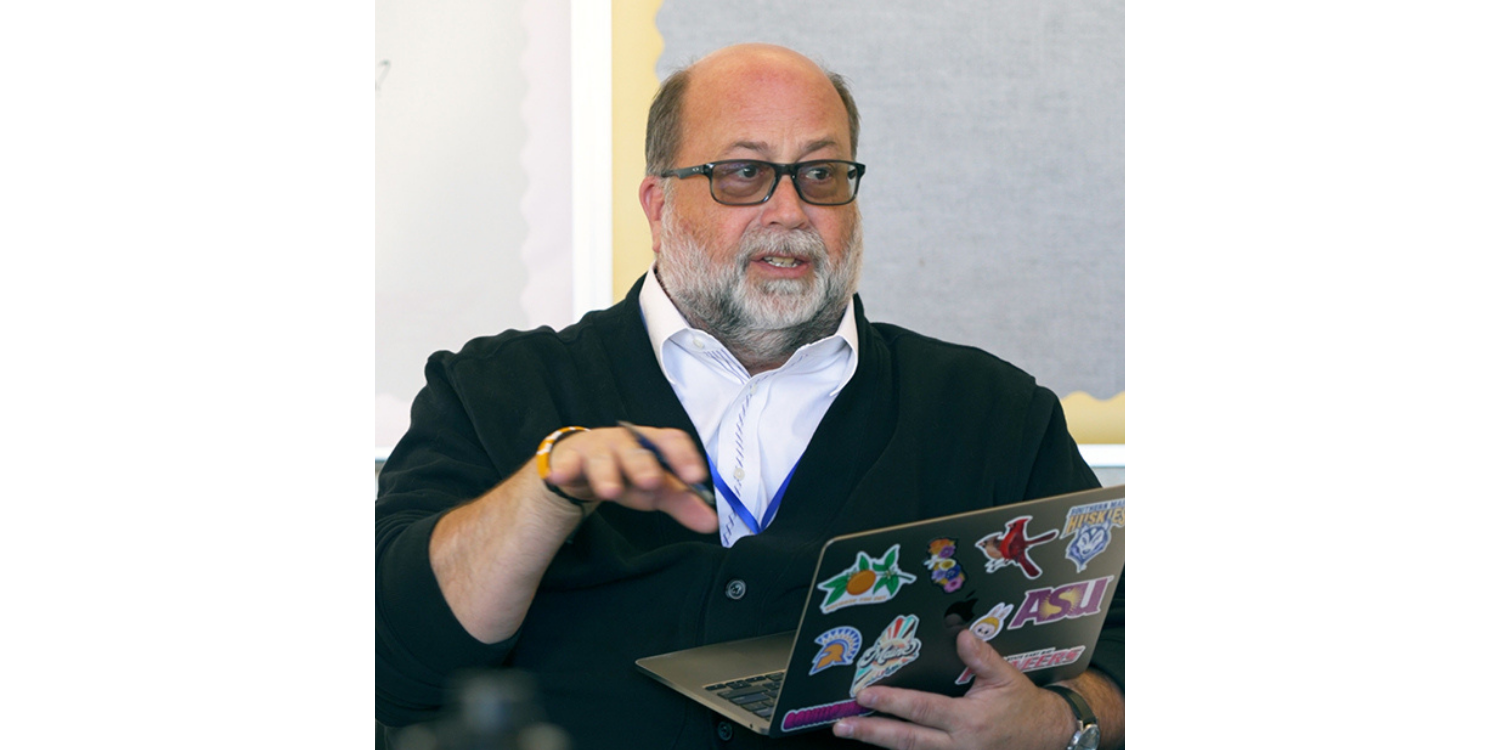
As a SVUDL Teacher Coach and DCI Fellow, Mt. Pleasant High School Social Sciences teacher Mark Hartung didn't come to Speech and Debate through the traditional route. "I think I did one debate in high school," he recalled.
What drew him in was a deep commitment to student learning, and an openness to whatever tools might be most effective. As a parent who'd watched his own children move through an educational system that relied too heavily upon memorization, he felt something essential was being lost. "I wanted to be part of the movement to change how students learn."
At Mt. Pleasant High School, he found students who — shaped by difficult life experiences — had stopped trusting some of the adults around them. He wanted these students to know that he was invested in the human beings sitting in front of him.
Three years ago, he connected with SVUDL. What surprised him was what coaching unlocked in his teaching. "It allows me the opportunity to get to know my students outside of the classroom," he says. "That allows for a deeper relationship and I can be even more supportive."
SVUDL gave him footing — answering questions, offering resources — but always pushed him toward independence rather than reliance. "It wasn't static," he says. "It was a growth opportunity."
Not every student can make Monday Speech and Debate team practice after school with Mark, who has coached the team for 3 years. Some students have jobs, younger siblings to look after, or other responsibilities. The students who couldn't stay were missing out — and they had just as much to gain. That realization led him to Debate Centered Instruction (DCI) — a methodology for taking the core components of debate and embedding them directly into existing lessons.
The difference in the classroom is palpable. "What makes me most excited is when students are still debating the issues out the door after class has ended," he says. "They sometimes care more about creating an argument for a debate than they do about other assignments."
He also points to confidence as a result of DCI — something that became harder to come by in the years following the pandemic, when students grew reluctant to speak up in class. "They're learning how to make an argument, what evidence works and what doesn't," he says. "Those things underpin the growth of confidence I've seen in my students."
That confidence has moved beyond the classroom. Students have told Hartung their parents were excited to hear about the program — proud to see their child step into something like this.
For teachers hesitant to try DCI, Hartung has this piece of advice: "You might feel intimidated or uncomfortable because it's new to you. But the benefits you're going to see in your students are going to far outweigh that early discomfort — and that discomfort is temporary.”
Teaching has always been about preparing students for what comes next. For Mark Hartung, debate — whether at a tournament or in the middle of third period — is one of the most powerful ways to do exactly that.