
Debate Centered Instruction Teacher Fellowship Brings Student Voice to the Center
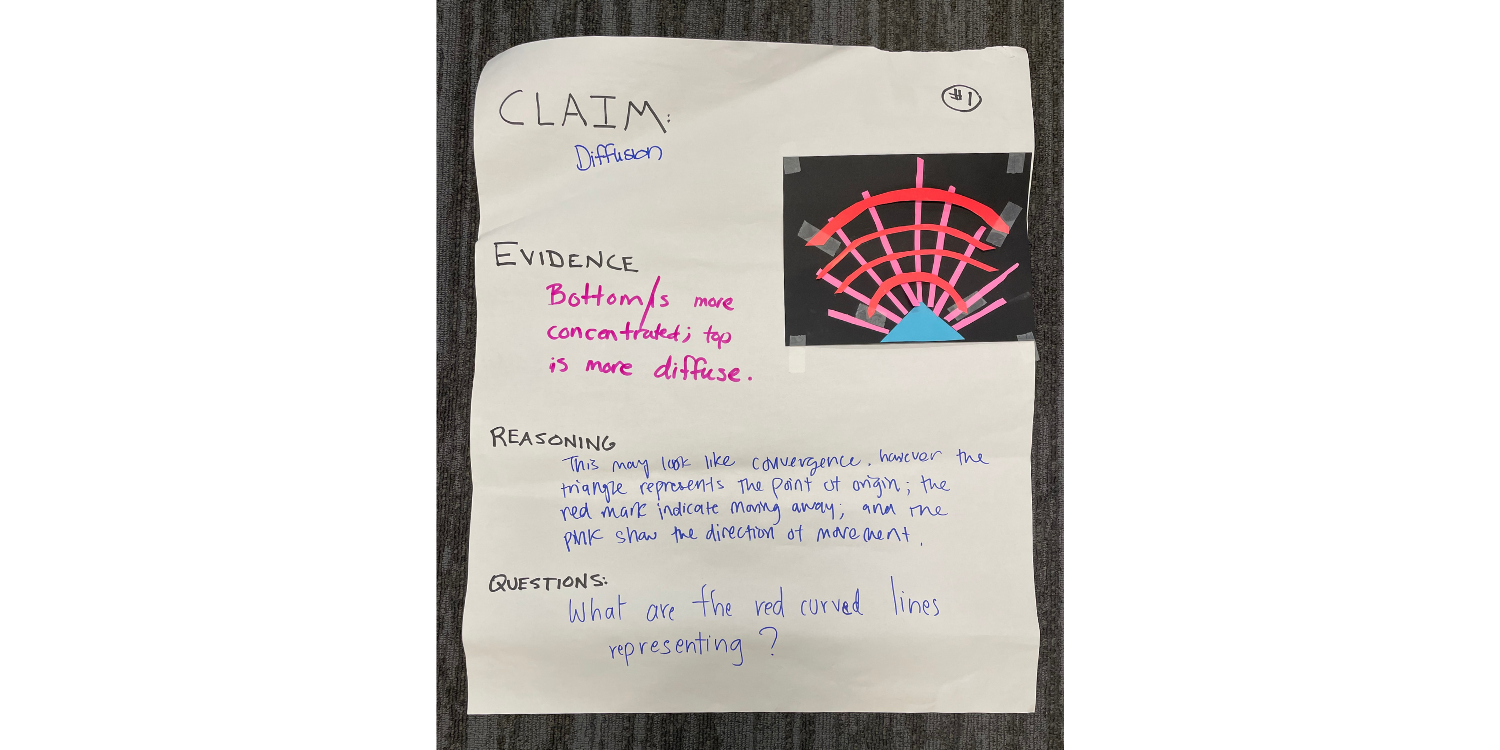
This year, the 2025–2026 SVUDL Debate Centered Instruction Teacher Fellowship brought together 34 Teacher Fellows from 15 high schools across 3 school districts—a powerful community of educators committed to transforming classroom learning through discussion, evidence, listening, and student voice.
The reflections highlighted here come from an informal focus group of more than 20 educators who participated in the Fellowship. The focus group was held at the San Jose Sobrato Center for Nonprofits on the evening of May 13, offering Fellows a chance to reflect together on what they learned, how their classrooms changed, and what the experience meant for them as educators.
Across subjects, grade levels, and school communities, Fellows explored how Debate Centered Instruction, or DCI, can help students do more than participate in class. It can help them think out loud, take intellectual risks, listen with purpose, defend ideas with evidence, and see themselves as people whose perspectives matter.
Throughout the Fellowship, teachers experimented with debate-based strategies in their own classrooms and reflected on what changed. One of the clearest themes was that DCI increases student participation—especially among students who do not always see themselves as speakers, leaders, or “debate kids.” Teachers described moments when students who typically stayed quiet began contributing because the activities gave them clear roles, concrete tasks, and low-stakes ways to enter the conversation.
Several Fellows noted that the strongest DCI moments did not begin with speaking. They began with listening. Teachers emphasized the importance of building classroom norms around listening to one another, taking turns, asking questions, and creating a comfortable foundation before students were expected to debate. When students felt prepared and supported, classrooms became louder in the best possible way: full of students chiming in, reacting to one another’s ideas, and continuing conversations even after class ended.
For many educators, the Fellowship also created a sense of professional connection that extended beyond any single classroom. As one teacher shared, “I've developed relationships with colleagues from across the district that I otherwise wouldn't have done, and I am grateful that I was able to have an impact on other fellow educators.” That sense of community mattered. Fellows were not simply learning a strategy; they were joining a network of educators committed to improving student outcomes together.
Teachers also saw that DCI works best when students are debating questions that feel authentic. When topics connected to real issues, lived experience, or meaningful academic questions, students were more invested. Fellows observed that students were not simply completing an assignment; they were taking positions, weighing evidence, and responding to the ideas of their peers. One teacher reflected that students began talking about real things and not just textbooks, making connections that might never appear in a traditional essay but came alive when students stood up and spoke from their own perspective.
Another major highlight of the fellowship was the way DCI shifted the role of the teacher. Many Fellows described doing less “spoonfeeding” and more facilitation. Instead of immediately telling students whether an answer was right or wrong, teachers encouraged students to find evidence, justify their reasoning, and compare stronger and weaker support. This shift required intentional planning on the front end, but teachers saw that the payoff was greater student independence on the back end.
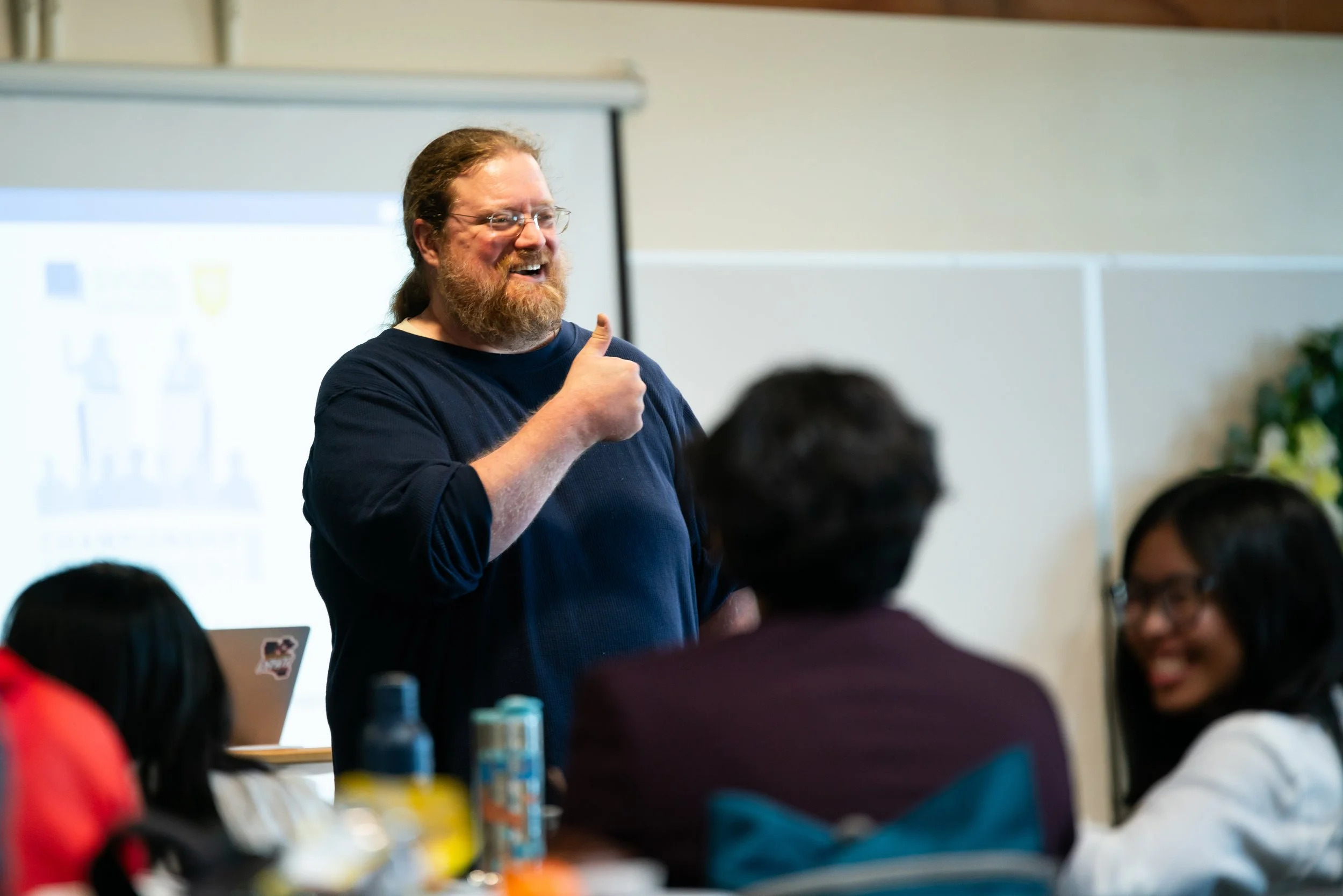
For some educators, DCI also changed how they understood student success. One teacher reflected on the value of mistakes, especially when students were making those mistakes for the right reasons—trying to reason, explain, and engage rather than simply arrive at an answer. Others noted that DCI helped them focus less on whether a lesson went perfectly and more on what students were actually practicing: speaking, listening, thinking critically, taking multiple perspectives, and building confidence.
The Fellowship also highlighted the power of coaching, modeling, and partnership. Teachers repeatedly named the value of having SVUDL support in the classroom—not just as a resource, but as a source of encouragement, collaboration, and accountability. One reflection captured the impact of that support: “Often I feel alone at my site when it comes to collaboration and improving student outcomes, and I wouldn't have half the success I've had this year if it wasn't for you and SVUDL.”
The experience exceeded initial expectations. One educator noted, “I never sign up for professional development workshops, but when I read about SVUDL’s offering last June (2025), I thought that I'd maybe learn something, get paid for my time and move on; but it turned out to be much more.” That sentiment speaks to one of the central accomplishments of the Fellowship: it was not a one-time professional development session, but a sustained learning community where teachers could take risks, build relationships, and see real changes in their practice.
Most importantly, this year’s Fellowship showed what becomes possible when students are trusted with meaningful intellectual work. Teachers saw students relying on one another, taking ownership of ideas, using evidence, questioning assumptions, and discovering the confidence to speak as experts in the room. In a time when young people need opportunities to practice civic dialogue, critical thinking, and respectful disagreement, DCI offers something essential: a classroom structure where students are not passive recipients of knowledge, but active participants in building it.
The 2025–2026 SVUDL Debate Centered Instruction Teacher Fellowship was more than a professional learning experience. It was a yearlong investment in classrooms where students’ voices grow stronger, teachers become facilitators of deeper thinking, and debate becomes a tool for belonging, rigor, and possibility. This year’s cohort demonstrated that when educators center discussion, evidence, and student voice, classrooms can become places where more students are heard—and where more students begin to believe that what they have to say matters.