
Debatifying Biology
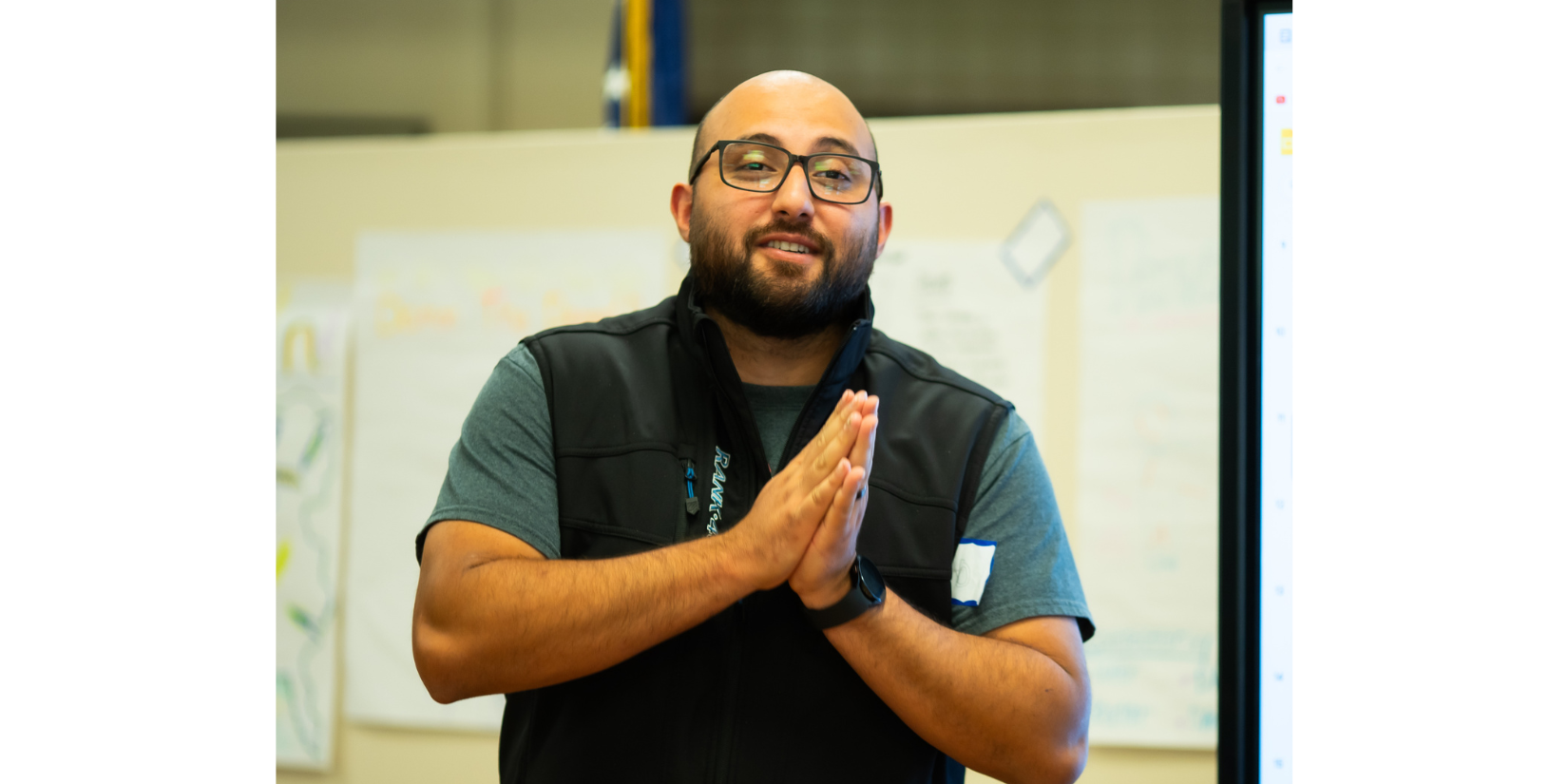
Department Chair and Biology Teacher Roberto Solis is currently serving as a SVUDL DCI Fellow at Mt. Pleasant High School in the East Side Union High School District. He has been teaching for five years, with over eight years of experience in the classroom.
Roberto Solis shared that the teaching and learning environment at Mt. Pleasant High School is a particularly well-suited place to implement Debate Centered Instruction (DCI). The school has a diverse student body and a strong sense of community with a culture that emphasizes collaboration and critical thinking, preparing students for real world challenges.
DCI is particularly exciting because it can add value in any subject area. “In biology, debate allows students to explore scientific concepts critically. Whether discussing the ethics of genetic engineering, climate change policies, or the impact of human activities on ecosystems, students use evidence-based arguments to support their claims. This approach deepens their understanding and improves their ability to analyze complex information,” reflected Roberto. “I was drawn to debate because it gives students a voice, encourages tolerance for different perspectives, and provides them with tools to form, express, and defend their opinions in an era of information overload.”
Although Roberto did not formally participate in Speech and Debate himself, he has always valued discussion and critical thinking. Engaging in structured debates later in his career made him appreciate how powerful this tool can be for student growth. “I decided to participate in SVUDL’s DCI Fellowship program because I wanted to refine my ability to use debate as an instructional strategy and connect with other educators who are implementing debate in their classrooms. The opportunity to learn new techniques and bring them to my students was a major motivation,” he shared.
Roberto has definitely seen an impact in his classroom. “It has made my teaching more student-centered. Instead of just delivering content, I guide students as they explore, question, and debate scientific concepts. It has also made my classroom more dynamic and engaging,” he said.
He has seen positive outcomes in his students from DCI in the classroom. “Students are more confident in presenting their ideas. Their ability to analyze information, construct arguments, and ask critical questions has noticeably improved. Many students who were initially quiet now actively participate in discussions,” he emphasized.
He offered as an example a lesson plan and how it played out in the classroom. “One lesson I implemented was a debate on the most important organelle in a cell. Students were assigned different organelles and had to argue why theirs was the most essential for life. They researched, wrote claims, and defended their positions while challenging others. This debate led to deep discussions about cell functions and interdependence, reinforcing their understanding of the topic in a way that traditional lectures couldn’t,” he noted.
As with any new undertaking, Roberto has had to address a few implementation challenges. “Some students struggle with speaking in front of their peers or forming structured arguments. I address this by scaffolding the debate process, providing sentence starters, and modeling how to construct claims and rebuttals. Time constraints can also be a challenge, as debates require preparation and discussion,” he said.
One of the many exciting aspects of DCI is hearing directly from the students about their own experiences. “Many students say they enjoy debates because they feel heard and challenged. Some mention that debating has helped them in other subjects, improving their ability to organize thoughts and present ideas clearly,” he shared.
Roberto recommends bringing DCI to other teachers who are considering bringing it to their classrooms. “Give it a try! Debate transforms passive learning into active engagement. It helps students develop essential life skills like critical thinking, communication, and adaptability. Start small with structured discussions and build from there,” he advised.
He also has some guidance for principals or district administrators considering bringing DCI to their schools. “Debate fosters deeper learning and civic engagement. It equips students with analytical skills that prepare them for college, careers, and informed citizenship. Investing in debate programs can elevate student achievement and create a more intellectually vibrant school culture,” he noted.
Ultimately, Roberto feels that bringing debate into his classroom has been one of the most rewarding changes in his teaching. “It has empowered students to take ownership of their learning, develop confidence, and engage more deeply with the content. I’m excited to continue expanding debate opportunities in my curriculum,” he said.