
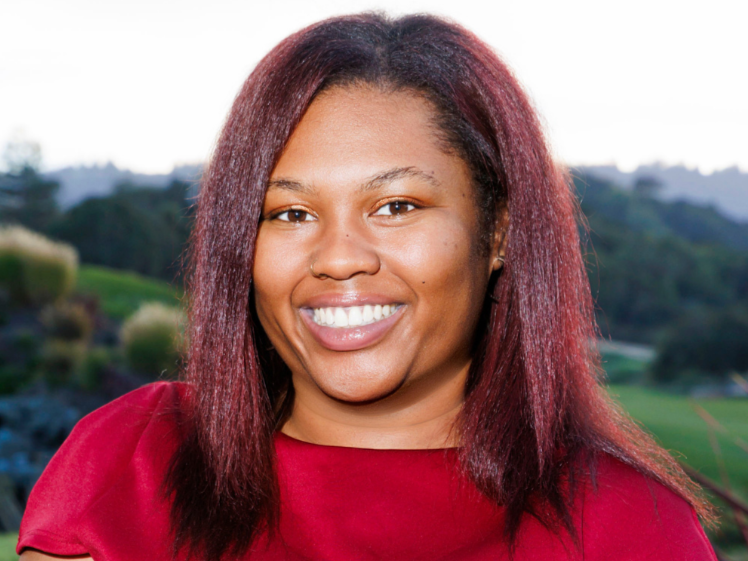
Meet Kierra Jackson: SVUDL Alumna Joins Board of Directors
We're honored to welcome Kierra Jackson as the newest member of SVUDL's Board of Directors. Kierra got her start in Speech and Debate as a SVUDL student herself. Education has been a pillar in Kierra’s life, as it provided her access to worlds and spaces she thought she could only ever dream about before. Keep reading to learn more about her journey from SVUDL alumna to joining its Board of Directors
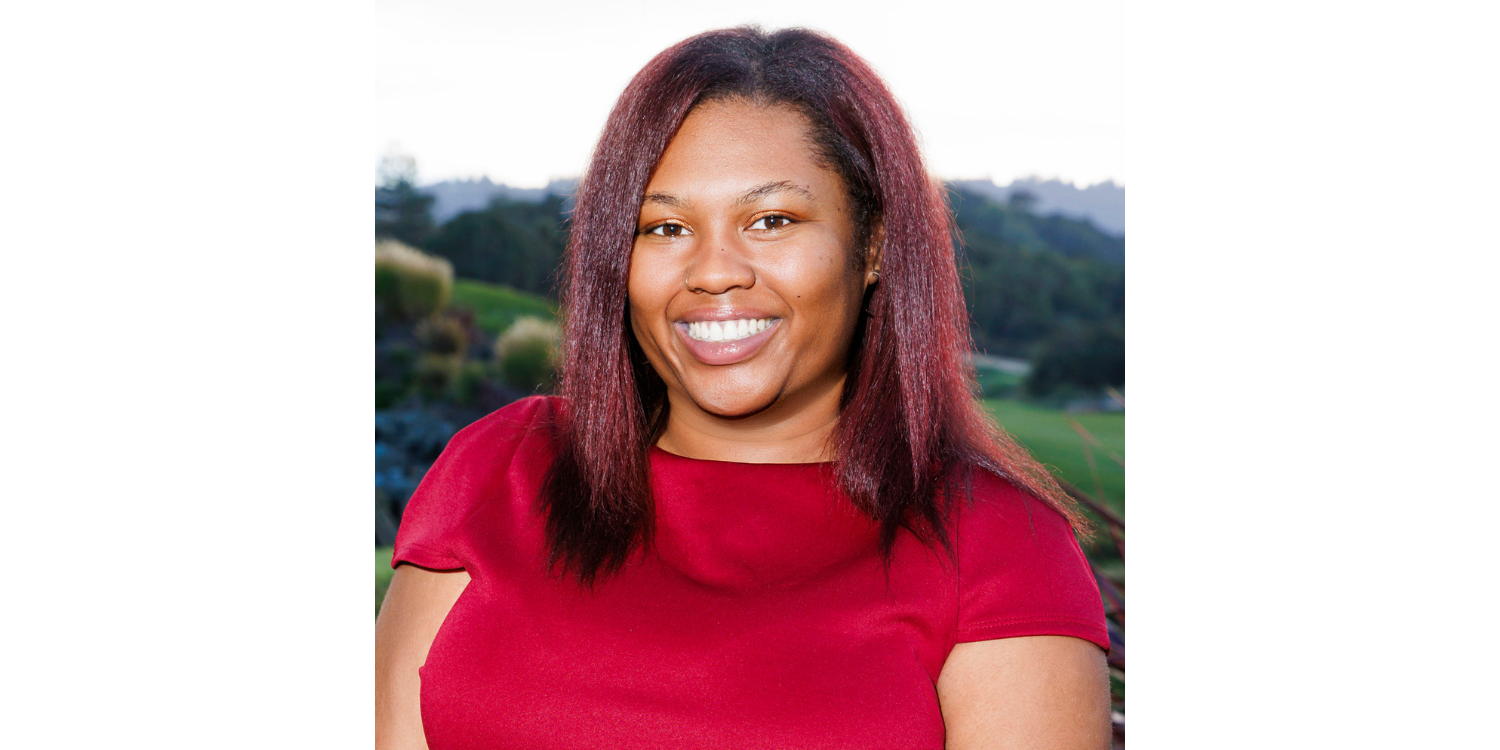
In her early Speech and Debate career at East Palo Alto Phoenix Academy, Kierra competed in numerous Policy Debate tournaments under the tutelage of SVUDL, eventually participating in NAUDL's 2017 national championship tournament.
Receiving her B.A. in Psychology with an emphasis in Critical Race at University of California, Merced, she supplemented her studies with leadership and community engagement. As President of "Afrikans for Retention and Outreach," a living-learning community on campus, Kierra's passion for community and student fellowship blossomed.
Kierra now works with students from her own community, providing support for college access and training young professionals as the Program Manager for Foundation for a College Education for ninth and tenth grade students.
And now, as the newest member of the SVUDL Board of Directors, Kierra brings a rare vantage point: she knows firsthand what SVUDL's mission means to the students it serves, because she was once one of them and now has the privilege of working directly with them. We couldn't be more excited to have her voice at the table.
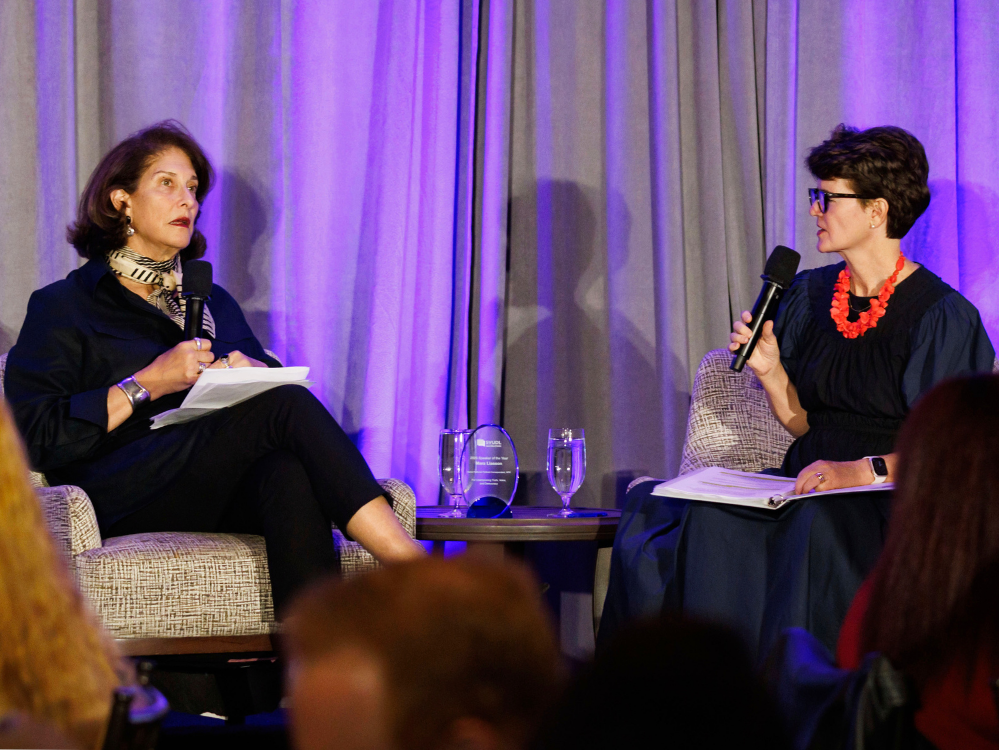
Mara Liasson on What Gives Her Hope: Young People and Civic Education
Words to the Wise 2026 included a fascinating fireside chat with NPR Senior National Political Correspondent Mara Liasson, honored as SVUDL’s 2026 Speaker of the Year. Keep reading for a deep dive into the many insights Mara shared from her career, including a call for how civic education could shape the future.
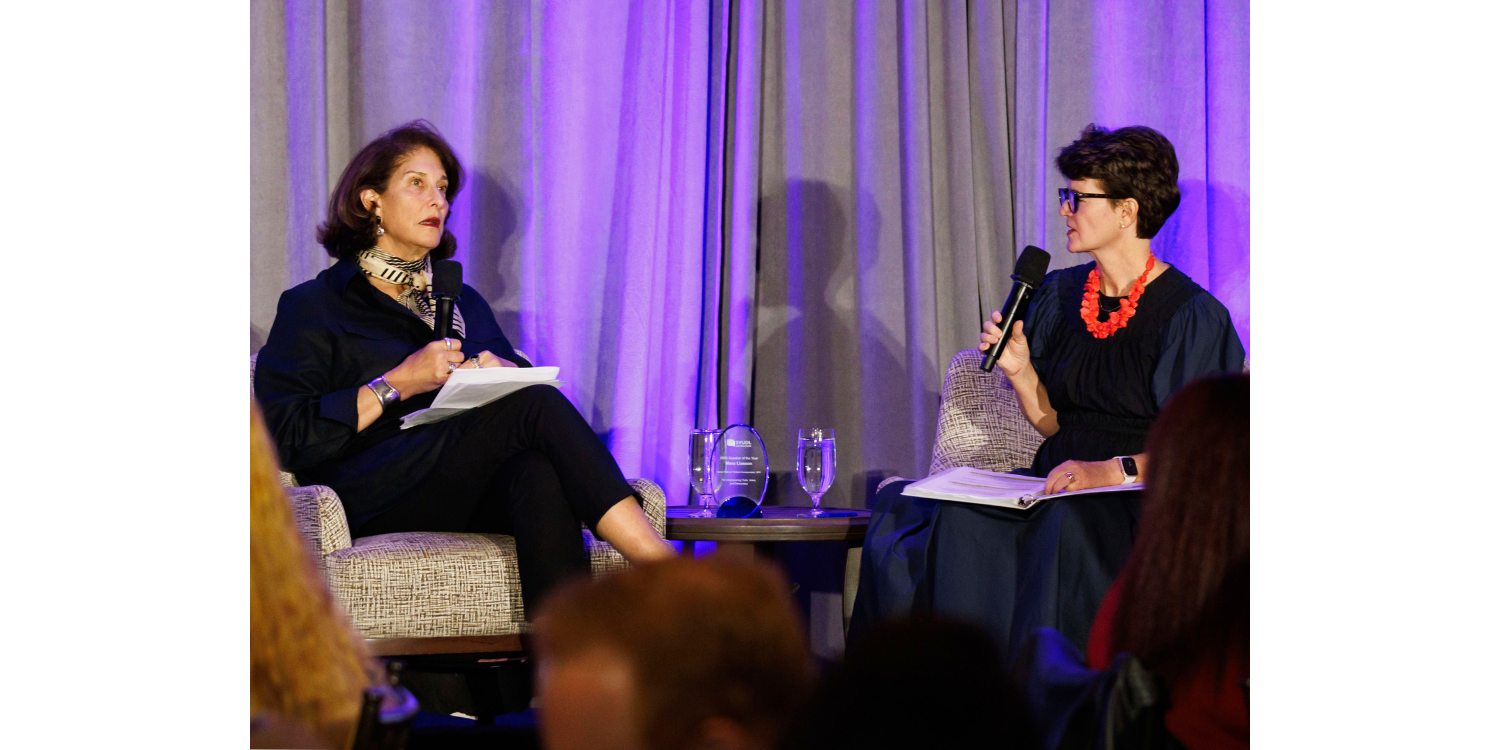
Another highlight of Words to the Wise 2026 was the fireside chat with Mara Liasson, honored as SVUDL’s 2026 Speaker of the Year for both her journalism and advocacy for a free press and civic engagement. Lisa Van Dusen, a longtime SVUDL champion, interviewed her on stage and began with a question: when did Mara first realize her voice could have an impact?
Mara described growing up in a family that valued talking and listening. In fact, her mother spoke to her in the baby carriage as if she were an adult. Mara also credited her teachers who were critical yet supportive, and mentors who made her feel her ideas were worth hearing. “Mentors are important,” she said. “They lead to bravery. They told me that my ideas were worth listening to and when I often felt that I had said the wrong thing, they were there reminding me that there will be a next time to do it differently.”
She suggested that persuasion starts with listening. “Good arguments come from good thinkers, and the most persuasive people are the ones who make others feel understood before offering a different view.”
She urged everyone in the room to make the effort to establish and maintain a balanced news diet. “The issue is that many people consume news for affirmation, rather than information. When civic education is revived in K-12 schools, it should include media literacy. We need students to learn how to spot a reliable source, how to tell opinion from analysis, and how to recognize a conspiracy theory. AI has put misinformation on steroids.” She also passed along advice she attributed to President Obama: if you are tired of arguing with someone on the internet, consider having the conversation in person.
Mara said SVUDL is an integral part of renewing civic education and that students can bring back what has become a disappearing art in politics. Her advice for finding and using a voice? “Listen, read, and just get up and do it. If you have a fear of speaking in public, once you do it, you will be less scared the next time.”
“What gives me hope is the young people here tonight!” she said. She hopes to see more shared civic experiences and civic education in the future. “Let’s make voting a national holiday,” she urged. “What if more people entered adulthood with these civic skills? More people would listen and more would run for office. It would improve politics tremendously. We wouldn’t have a generation that is cynical. They would know they can make a difference and make things better,” she said.
Next, Andrew Gold, SVUDL Board Member and Chair Emeritus, took the stage to make the case for support for SVUDL’s fundraising goal. He opened with a photo of himself at 16 in front of a Dodge Dart Swinger. He started debating at 15, competed through high school and college, and later coached debate at Stanford University.
“Speech and Debate was the single most important part of my education,” he said. “It taught me how to research an issue deeply, distinguish a strong argument from a weak one, listen to someone I disagreed with, stand in front of a room, and make my case. But it gave me something even more important. It gave me confidence in my own voice.”
In 2026, SVUDL reached 22 high schools and over 3,500 students. Independent research has shown that participation in SVUDL programming is linked to higher GPAs and graduation rates, stronger executive functioning and leadership skills, and deeper civic engagement. Nearly 100 percent of participants go on to college. SVUDL delivers all of this for only $1,200 per student a year.
Finally, it was time for paddle-raising. Franco Finn, Hypeman and Host for the San Francisco 49ers and the Golden State Warriors, kept the energy high as auctioneer. A shy child, Franco found his voice through Speech and Debate at Sacred Heart High School. He wrote a student body president speech that won the election. Inspired by the content of the evening, and catalyzed by Franco’s animated voice, guests exceeded the $430,000 goal to close the opportunity gap for under-resourced high school students in Silicon Valley so that more students can find their authentic voices and, in Mara’s words, just get up and do it.
This extraordinary evening was made possible because of our community. SVUDL thanks:
Our hosts, Michael and Jill Gold
SVUDL Co-Founders Jennie Savage and John Dawson
Our Board of Directors and Advisory Committee members
Our staff and volunteers
Our Speaker of the Year, Mara Liasson, and our moderator, Lisa Van Dusen
Franco Finn
Musicians of the San Francisco Opera
Our sponsors, listed below:
Completing the Circle
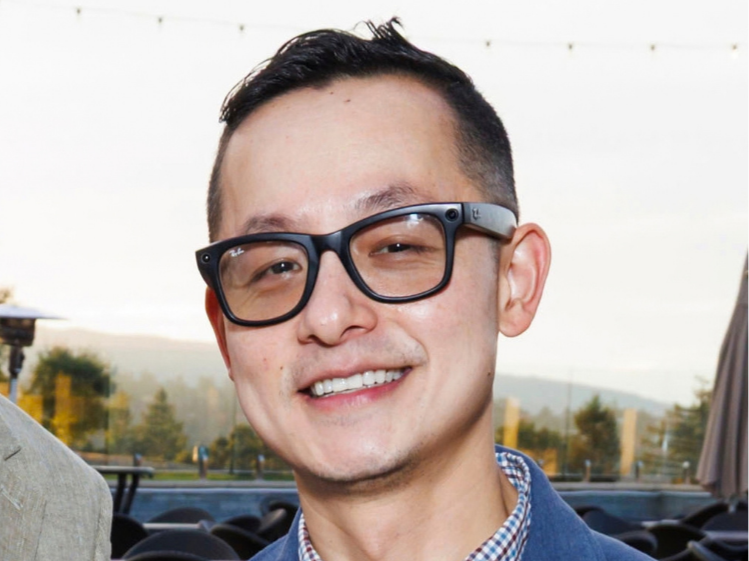
"I competed in Policy Debate in high school, and it was really through debate that I found my own voice," shares Li Zhu (Partner at Robins Kaplan), a current member of SVUDL's Advisory Committee. "Talent is everywhere, but access to opportunities is not. SVUDL gives students the opportunity to develop skills and confidence that can change what they believe is possible for themselves. It is rewarding to connect my professional life back to an activity that had such an important role in my life. Someone took the time to coach me, encourage me to consider law school, and open the door that ultimately led to working at Robins Kaplan. The firm’s sponsorship of Words to the Wise feels like completing the circle."
Keep reading to discover more of Li's story.
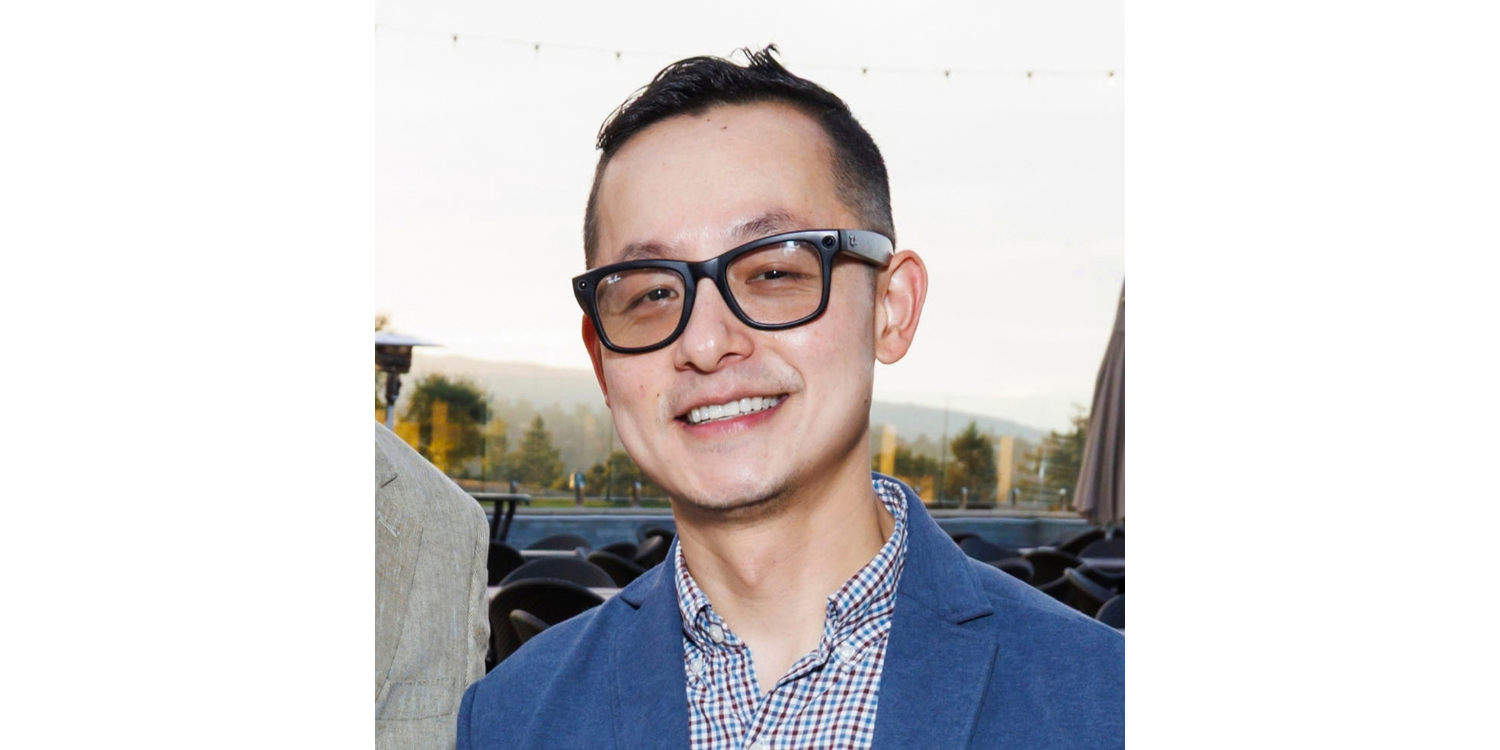
Li Zhu was pre-med in college. "But Speech and Debate had a very direct impact on the path I ultimately took. My high school coach and her husband were two of the people who nudged me toward law school. Her husband became an attorney at the firm where I work now, and he's a major reason I ended up here and ultimately became a Partner."
That personal history and connection to Speech and Debate is what drew Li to SVUDL. "I know firsthand that the value of debate goes well beyond trophies or tournaments," he says. "A great coach or mentor can see something in a student, open a door, or suggest a path that the student may not have imagined for themselves." Today, Li sits on SVUDL's Advisory Committee, and also helps his former high school coach work with her students.
Li sees a direct line between what SVUDL teaches and what happens every day at Robins Kaplan. "Our work requires digging into difficult issues, thinking critically, and being willing to take on challenging arguments. Those are the same skills that students develop through Speech and Debate."
For Li, the firm's sponsorship comes down to access. "SVUDL gives students the opportunity to develop skills and confidence that can change what they believe is possible for themselves. Supporting Words to the Wise is one way our firm chooses to help make those opportunities available to more students."
"Debate teaches you that you can walk into a room, engage seriously with difficult ideas, and have something worth saying. It teaches resilience, because you learn that you are going to lose rounds, get arguments wrong, and occasionally have no idea how to answer something. Then you come back the next weekend and try again."
"Success means those students are pursuing whatever path is meaningful to them with the confidence to speak up, ask hard questions, advocate for themselves and others, and know that they belong in rooms where important decisions are being made. Eventually, they do what their coaches and mentors did for them. Someone helped open the door that ultimately led me to Robins Kaplan. This completes the circle, and is why I'm proud our firm supports SVUDL and Words to the Wise."
Thank you, Robins Kaplan, for your continued generous support of Words to the Wise!
Words to the Wise 2026: Student Voices Bring SVUDL’s Work to Life
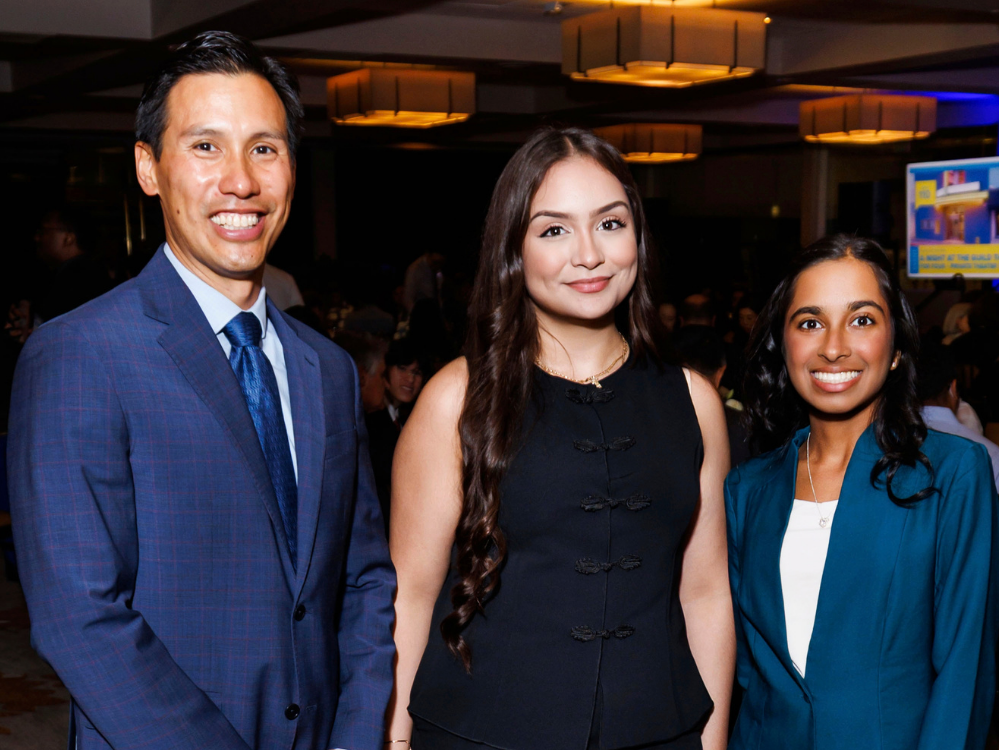
SVUDL hosted Words to the Wise 2026 on a beautiful evening at the Palo Alto Hills Golf & Country Club, where more than 200 guests raised over $430,000 to support SVUDL’s vital work in the community. One of the highlights of the event was hearing directly from SVUDL students, who shared their experiences in Speech and Debate both inside and outside the classroom. Click here to learn more!
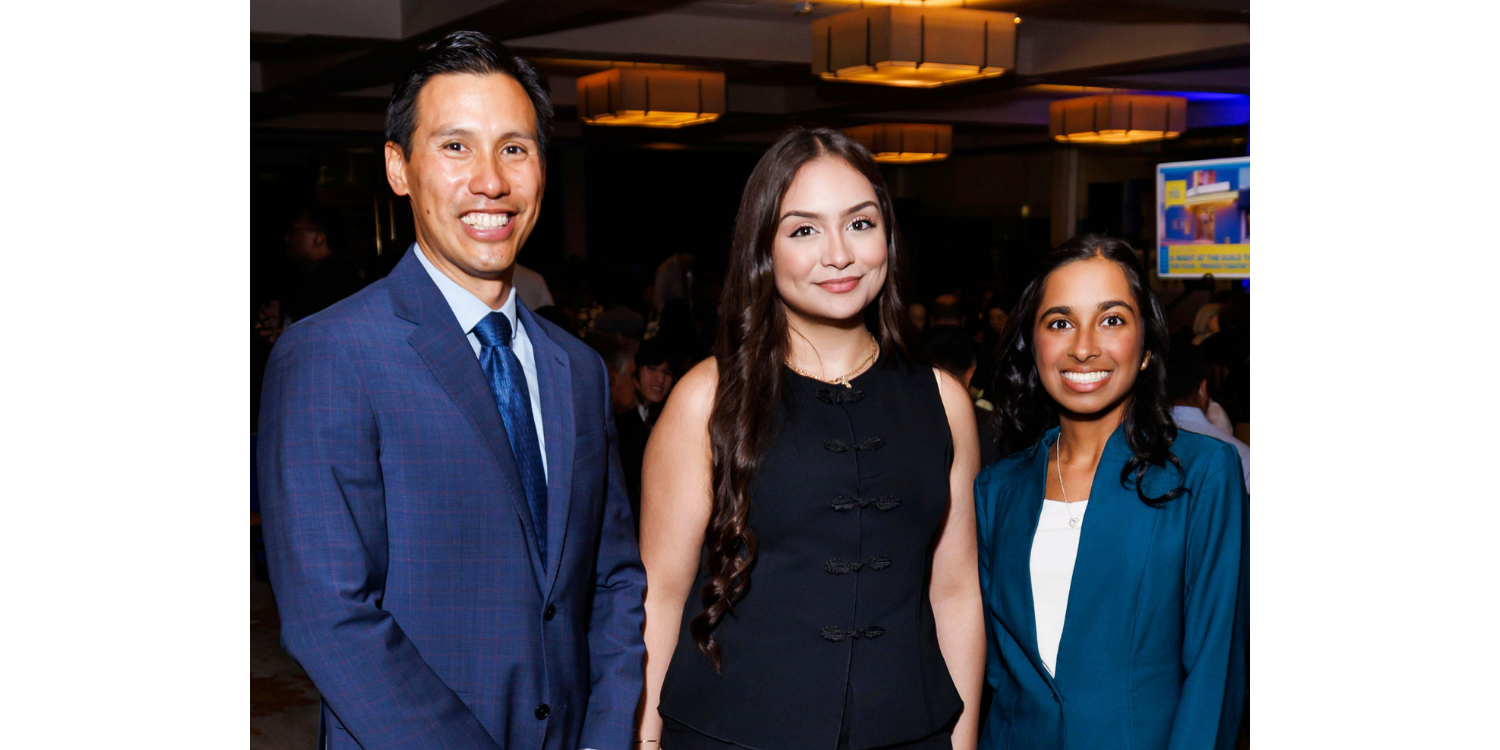
SVUDL CEO Rolland Janairo began the evening by posing a question: how many in the room had a sense of what SVUDL does every day both inside and outside the classroom? He described how SVUDL brings Speech and Debate to the community, and asked three students to demonstrate their skills, underscoring the breadth and depth of Speech and Debate.
First came Greidys Sotelo, a senior at Andrew Hill High School, who competes in Policy Debate and Debate en Español. When Rolland asked her to address why the U.S. federal government should establish national health insurance similar to Brazil, she gave a powerful example of Debate en Español, followed in English. She warned that recent cuts to Medicaid and the Affordable Care Act could cost millions of Americans their coverage.
Up next was Dhyana Desai, a junior at Silver Creek High School, who recently made SVUDL history when she competed at the National Speech & Debate Association’s national championship tournament, after qualifying in the Program of Oral Interpretation Speech event. This event combines prose and drama to illustrate a theme, and Dhyana performed an excerpt from her piece titled, “Rejection Kills” - a dramatic piece about a woman who received a marriage proposal made in front of thousands in a sports venue. “This is for the woman who says no” she said in her closing statement to a spellbound audience.
Angeles Flor Jauregui, a senior at Latino College Preparatory Academy, illustrated the impact SVUDL makes during the school day with state-approved electives and Debate Centered Instruction, where teachers build debate into the curriculum. In her economics class, Angeles’ class was recently asked to determine which of the four basic types of economic systems is the most competitive. Angeles was tasked to defend the traditional market, demonstrating Speech and Debate skills under the pressure of speaking in front of the many guests of Words to the Wise. She noted how she had to think critically about the topic, become accustomed to advocating for stances she wouldn’t normally pick for herself, and how much deeper she learned about topics when facing questions and challenges from peers, in addition to her teachers.
These three students highlighted the opportunities afforded by Speech and Debate, and how both inside the classroom and after school, SVUDL students:
Practice public speaking;
Develop critical baselines of knowledge through rigorous research;
Think nimbly on their toes and adjust their plans and arguments based on their audience; and
Collaborate effectively with peers to explore ideas, ask questions, challenge each other, and grapple with topics that are critical to everyday civic life.
SVUDL is so grateful to these students for sharing their voices with the Words to the Wise audience!
Stay tuned for a recap of our fireside chat with Mara Liasson - coming next week!
Sharing the Pot of Soup
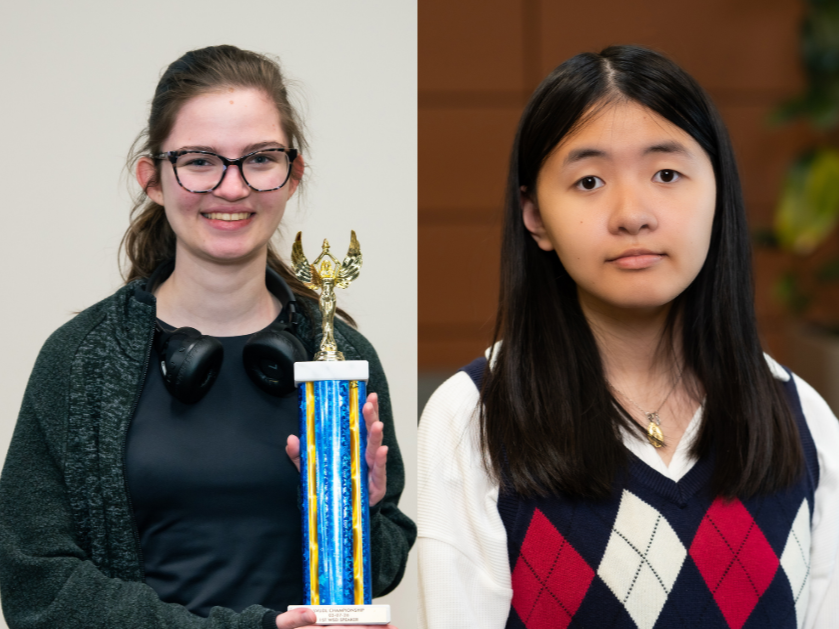
Alana Vu of Yerba Buena High School was particularly interested in the Women's Debate Institute summer camp because the target demographic was female debaters and gender minorities. By the end of her five days, she felt passionate about sharing all that she had learned: "If I didn't share what I learned, it would be like getting a pot of soup and then not sharing it with the village." Keep reading to learn more about how seven SVUDL debaters spent their summer building invaluable skills with an eye to passing them on to team members upon their return.
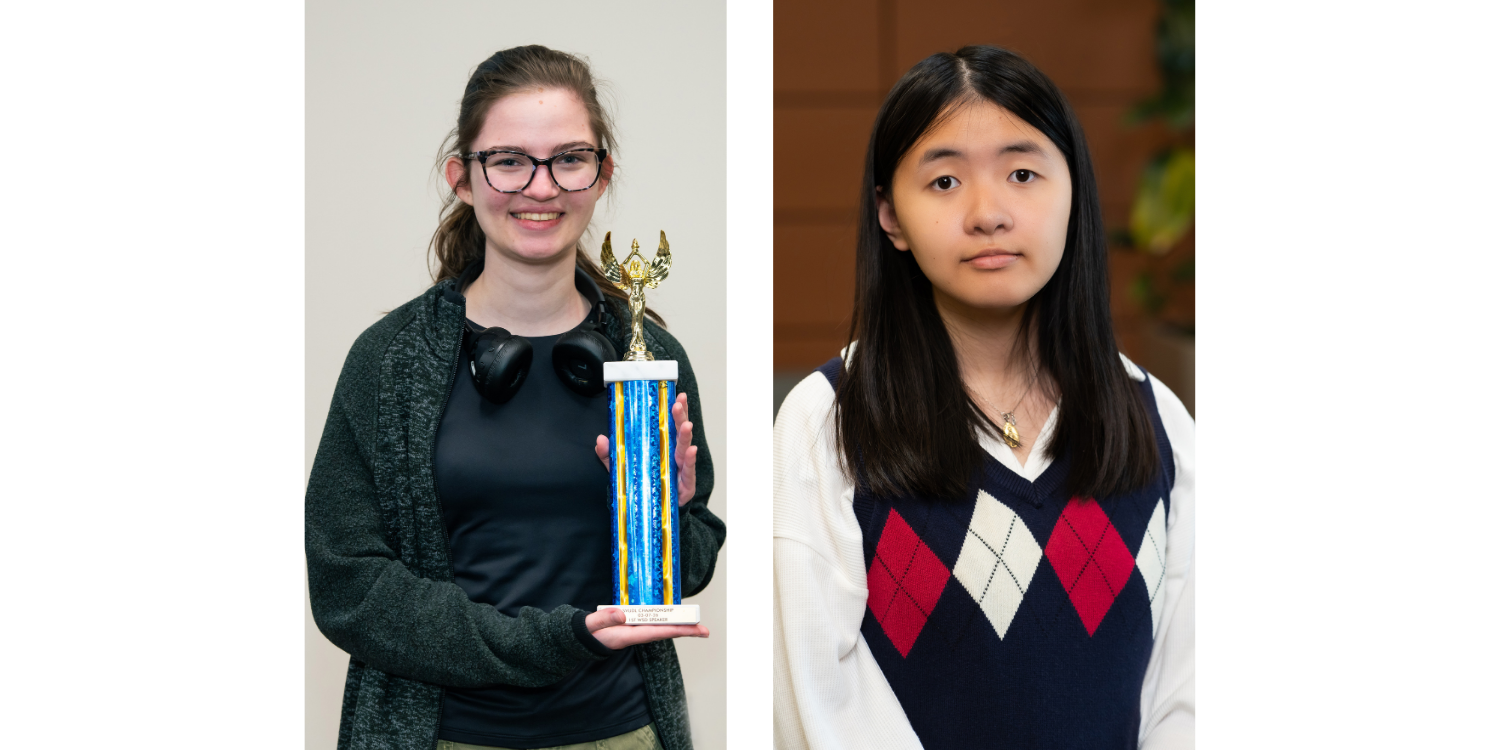
Seven SVUDL students spent part of their summer at debate institutes this year, at Harvard University and the California National Debate Institute (CNDI) at UC Berkeley, an opportunity made possible by the generous support of Bryson Santaguida, Annie Pogue, and Jim Basile. Additionally, a student also qualified for an all expenses paid scholarship to attend the Women's Debate Institute in Ortonville, Michigan.
Prior to the experience, each student committed to giving at least 10 hours of their time to imparting what they learned to others upon their return. Alana Vu of Yerba Buena High School was particularly interested in the Women's Debate Institute and knew she would make a lot of new connections she could learn from, while building friendships along the way. She also wanted to improve her stamina in debate, since she hadn't debated a full three rounds in a tournament. "If I didn't share what I learned, it would be like getting a pot of soup and then not sharing it with the village,” she said.
Alondra Moreno Fernandez of Overfelt High School attended the Harvard Debate Sophomore Policy Lab. At Overfelt, she remembers feeling intimidated by upperclassmen who seemed to already know everything about Speech and Debate, and she dreaded the mandatory warm-ups and practice rounds. But she kept showing up, because the club had started to feel like a community she didn't want to lose. Now, after her summer experience, she's excited to bring what she learned back to her community, to help newcomers feel comfortable and to support any student who feels as intimidated by their peers as she once did.
Michelle Tran, Noah Tran, and Raniya Sherefa, all of KIPP San Jose Collegiate, spent two weeks together at the CNDI Public Forum program.
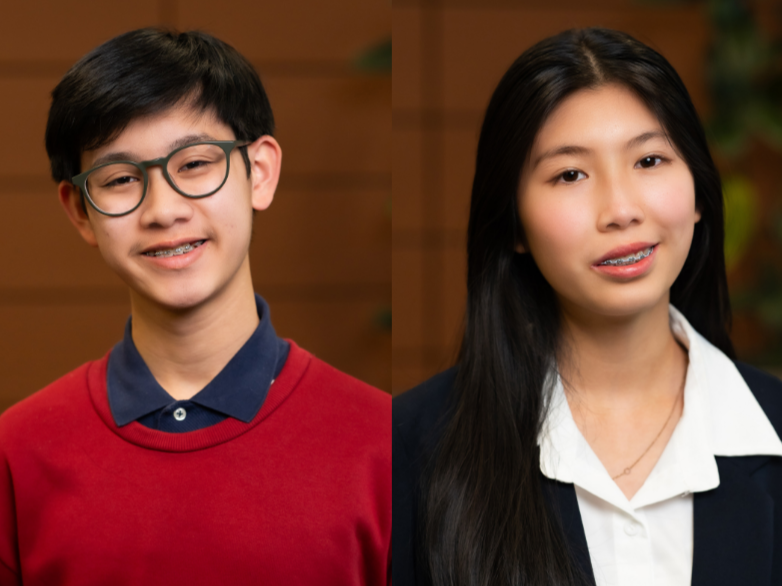
For Noah, the camp was a way to force himself out of his comfort zone. He knew the experience would help him build a range of social skills, including confidence in his own voice, and having a roommate for the first time would test his ability to connect with new people. He also hoped it would nudge him toward going out more, instead of staying home.
Michelle wanted to keep expanding her club. It started from zero, and she has helped catalyze its growth to 30 students. She's driven by the potential she sees in every person, and she wants to build a stronger foundation for the Speech and Debate students who will follow in her path.
Raniya wanted feedback on her speeches and was eager to sharpen her speaking skills. She's looking forward to sharing what she learned about revising speeches with teammates who are still finding their voice.
Greidys Sotelo, of Andrew P. Hill High School, spent three weeks at CNDI's Policy program. A bilingual debater, she wants to be a clear communicator in both Spanish and English, and to help others in her community. She's looking to collaborate more, meet new people, and share ideas.
Anastasia Kolesnikov of Summit Prep High School, also attended CNDI's three-week Policy program, where she hoped to develop a more profound understanding of public policy and how it impacts citizens. She finds a lot of joy in teaching, in helping the people around her grow within their own areas of expertise.
These summer experiences underscored how new skills are meant to be shared in order to expand impact across communities. Each student will bring what they learned back, mentoring the freshmen who feel the way Alondra once did, or the newcomers who remind Michelle of where her own club started. As Alana put it, nobody makes a pot of soup just to eat it alone.
From Practice to Impact: Teacher Coaches Prepare for the Debate Season
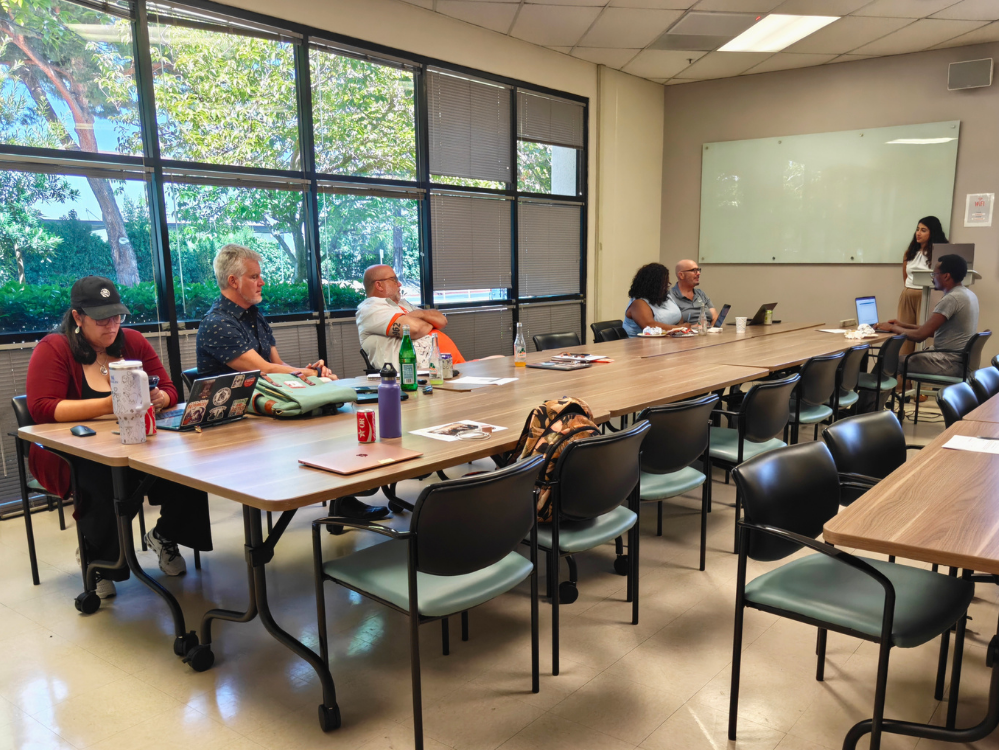
Teacher Coaches from across the league gathered to prepare for the 2026-2027 Speech and Debate season. Through hands-on debates, collaborative lesson planning, and peer learning, educators developed practical tools to help students become more confident speakers, critical thinkers, and persuasive advocates. Click here to learn more.
In late July, eight Teacher Coaches came together for SVUDL's first professional development workshop of the school year. The session focused on building community among coaches and strengthening the quality and consistency of debate instruction across the district. New and experienced Teacher Coaches exchanged ideas, practiced instructional strategies, and created resources they can use with students throughout the season.
One of the most valuable activities gave teachers the opportunity to experience debate from a student's perspective. Educators participated in Spontaneous Argument (SPAR) debates - short debates that challenge participants to organize their thoughts, respond to an opponent, and speak persuasively with limited preparation time.
"Judging and participating in the SPAR debates with rubrics gave me a better sense of how I would like to implement this activity during practice," one teacher shared.
By taking part in the activity themselves, coaches gained a deeper understanding of the challenges students face when debating. Participants experienced the pressure of managing limited time while clearly defining an argument, presenting supporting evidence, and explaining why their ideas matter. They also reflected on the anxiety students may feel when speaking in front of others.
These insights helped coaches identify ways to make debate practice more supportive and accessible. Teachers used clear evaluation guides to consider how they can give students specific, constructive feedback and help them build their skills over time.
The workshop also gave educators time to strengthen their lesson-planning and coaching strategies. Teachers explored SVUDL's Core Skills Progression, a step-by-step framework for teaching essential debate skills, along with an Activity Library containing ready-to-use lessons and exercises.
Working in groups, participants created short presentations and teaching resources for different debate skills. This collaborative approach allowed coaches to learn from one another and leave with practical materials they can adapt for their own students.
"I appreciated the time we spent creating the mini-presentations for the Core Skills Progression because it was useful and specific," one educator said.
Another teacher highlighted the value of learning about the coaching resources available to support student instruction. By contributing their own ideas and drawing on the experience of their colleagues, the educators created a shared collection of materials that will benefit students across the league.
The day also provided an important opportunity to strengthen the SVUDL community. Over conversations, collaborative activities, and a shared lunch, experienced coaches shared lessons from their classrooms while welcoming new Teacher Coaches into the program.
By bringing educators together before the start of the season, SVUDL helped coaches build relationships, sharpen their instructional skills, and prepare engaging practices for their students. The teachers left the workshop with new strategies, a strong network of colleagues, and a deeper understanding of how to help young people find their voices through Speech and Debate.
900+ Students, 49 Teachers, One Big Idea: SVUDL and The Foundation for Hispanic Education Put Student Voice at the Center
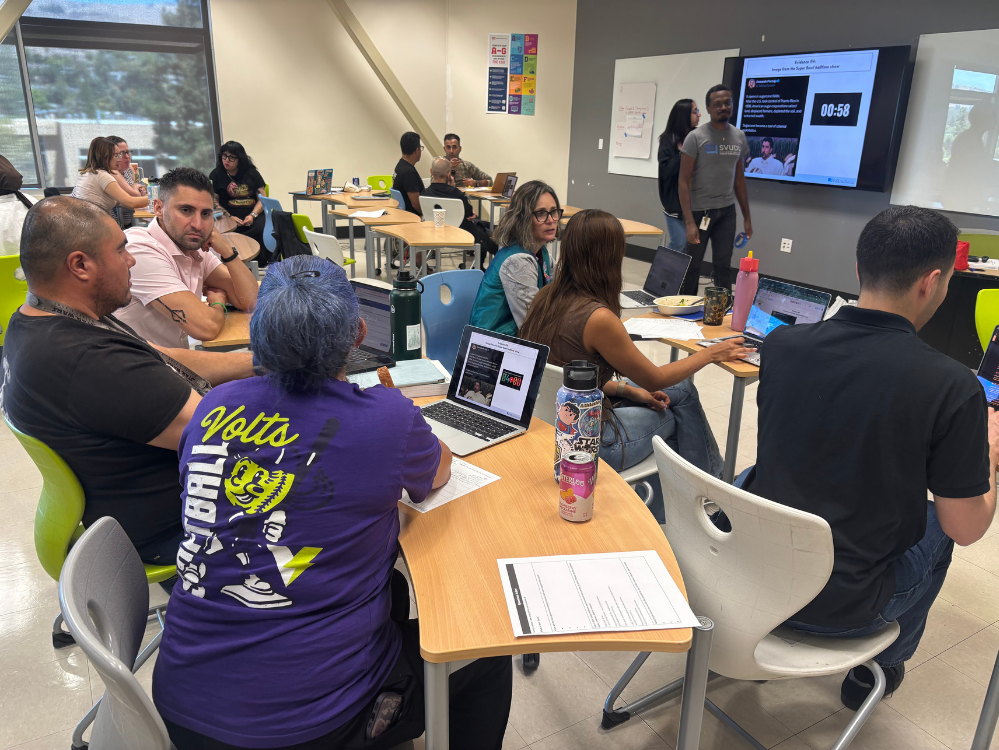
SVUDL and The Foundation for Hispanic Education (TFHE) are taking a longstanding partnership to an exciting new level. Through a three-year initiative spanning TFHE’s three San Jose high schools, 49 educators will build the tools, confidence, and community to bring Debate Centered Instruction into classrooms serving more than 900 students—while helping SVUDL learn more than ever before about what happens when debate becomes part of the school day. Click here to learn more about the next evolution of this growing partnership.
SVUDL and The Foundation for Hispanic Education (TFHE) are taking a longstanding partnership to an exciting new level. Through a three-year initiative spanning TFHE’s three San Jose high schools, 49 educators will build the tools, confidence, and community to bring Debate Centered Instruction into classrooms serving more than 900 students—while helping SVUDL learn more than ever before about what happens when debate becomes part of the school day.
What happens when the power of debate is no longer reserved for students who join an afterschool team?
That question is at the heart of a bold new partnership between the Silicon Valley Urban Debate League (SVUDL) and The Foundation for Hispanic Education (TFHE). Since 2021, SVUDL and TFHE have worked together to expand Speech and Debate opportunities, from afterschool competition to UC-approved A-G electives and classroom-based Debate Centered Instruction. Students from TFHE have competed at the highest levels—including three trips by Latino College Preparatory Academy students to the prestigious Tournament of Champions at the University of Kentucky.
Now the partnership is growing from successful programs and individual classrooms into something much bigger: a three-year effort to make Debate Centered Instruction a durable part of teaching and learning across TFHE’s three high schools, Latino College Preparatory Academy, Luis Valdez Leadership Academy, and the Roberto Cruz Leadership Academy.
Debate Centered Instruction, or DCI, takes the intellectual core of Speech and Debate and brings it into the everyday classroom. It is not a separate curriculum, and it does not require every single class period to stage a formal debate. Instead, DCI gives teachers structures that ask students to build arguments, evaluate evidence and reasoning, ask probing questions, respond to competing ideas, and explain why they think what they think. The goal is a classroom in which students are not simply waiting for the teacher to provide the “right answer,” but actively making meaning together.
That philosophy grows directly from SVUDL’s mission to develop young people’s voices and critical-thinking skills. And it dramatically expands who gets access. Since 2022, SVUDL has provided DCI professional development to 321 unique teachers. During the 2025–2026 school year, SVUDL reached 2,757 unique students via its DCI programming. The TFHE partnership represents the next step: moving from individual teachers and programs toward a whole-network model that can reach students throughout the school day.
The first glimpse of that future came on August 4, when the first TFHE teacher cohort gathered for a full day of professional learning. Teachers did not spend the day listening to lectures about student engagement—they experienced DCI as learners. They debated the NBA “GOAT” using mathematical evidence, sorted evidence around Bad Bunny and the Super Bowl, and explored causes of global warming through Four Corners.
Their responses captured both the energy of the day and the practicality of the approach.
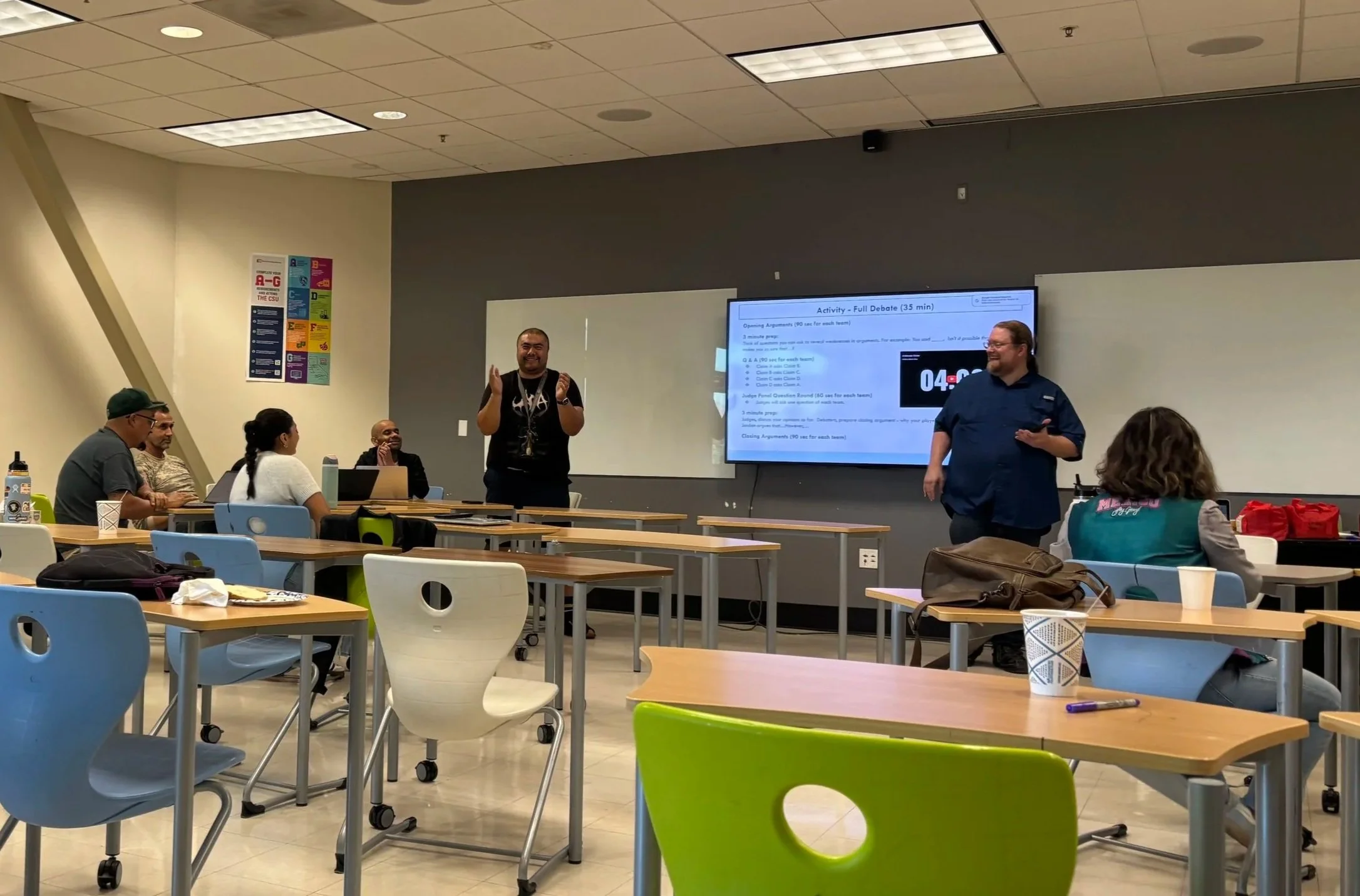
Teachers debating the NBA “GOAT”
“I like how the activities were already built so that we could try them out for ourselves as if we were the students. It wasn't just data being thrown at us with the expectation that we would make time to create something from scratch,” one teacher shared.
Another shared, “I really loved the full class debate activity. I am looking forward to incorporating this into not only my science classes but also my Advisory class.”
And one educator summed up DCI’s flexibility simply: “All activities can be applied in my classroom.”
That enthusiasm was accompanied by an encouraging level of implementation readiness. Of the 23 teachers who completed an exit ticket, 16—nearly 70 percent—said they felt Confident, Very confident, or Extremely confident about implementing Debate Centered Activities after the workshop.
And August 4 was only the beginning.
Over three years, TFHE teachers will participate in intensive DCI workshops, planning and debrief cycles, Communities of Practice, classroom observations and feedback, individual consultation, and shared resource development. Teachers will practice DCI, bring it into their own content areas, study what happens, and learn from one another. Just as importantly, SVUDL will work with TFHE to build internal teacher and administrator capacity so the work can continue with decreasing outside support.
The partnership will also help answer a larger question: what can we learn when DCI is implemented deeply, intentionally, and at scale?
Working with Dr. Beth Schueler, Associate Professor of Education at Stanford University, SVUDL and TFHE are planning a pilot study in which teachers are randomly assigned to two cohorts. Cohort A receives DCI professional development first, while Cohort B serves as a comparison group before receiving the same opportunity the following year. Researchers will examine teacher confidence and practice, student experiences, implementation of DCI, and available indicators of engagement and academic performance.
The study is deliberately a first step, not a final verdict. Its modest sample size means researchers will be cautious about broad conclusions. But it can help SVUDL refine measurement tools, understand the potential magnitude of DCI’s effects, identify questions for future study, and strengthen the foundation for larger-scale research.
That makes this partnership important far beyond the three schools. SVUDL was founded on a belief that Speech and Debate can change educational and professional trajectories. DCI asks an equally ambitious question: what if the skills students build through afterschool Speech and Debate—finding their voice, using evidence, thinking critically, and engaging opposing ideas—could become part of how students learn throughout the school day?
Over the next three years, more than 900 TFHE students will be part of the answer. In classrooms across San Jose, they will have more opportunities to make claims, challenge ideas, listen carefully, use evidence, change their minds, and discover that their voices belong in serious academic conversations.
For SVUDL and TFHE, that is something worth celebrating—and only the beginning.
Beyond the Job Title: SVUDL Alumni and Students Explore Careers in Law
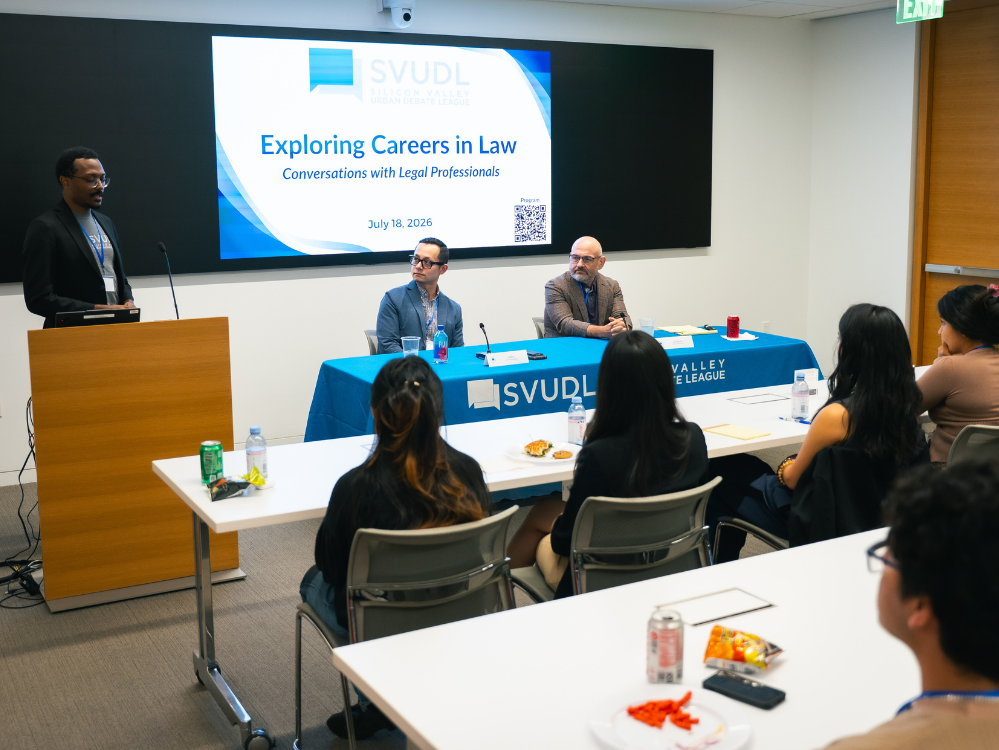
What does a career in the legal field really look like, and how do you know if it’s the right path for you? Last month, SVUDL alumni and students joined legal professionals at Kirkland & Ellis for an afternoon of candid conversations, career insights, and advice about the many roads into and beyond the legal profession. Click here to learn more.
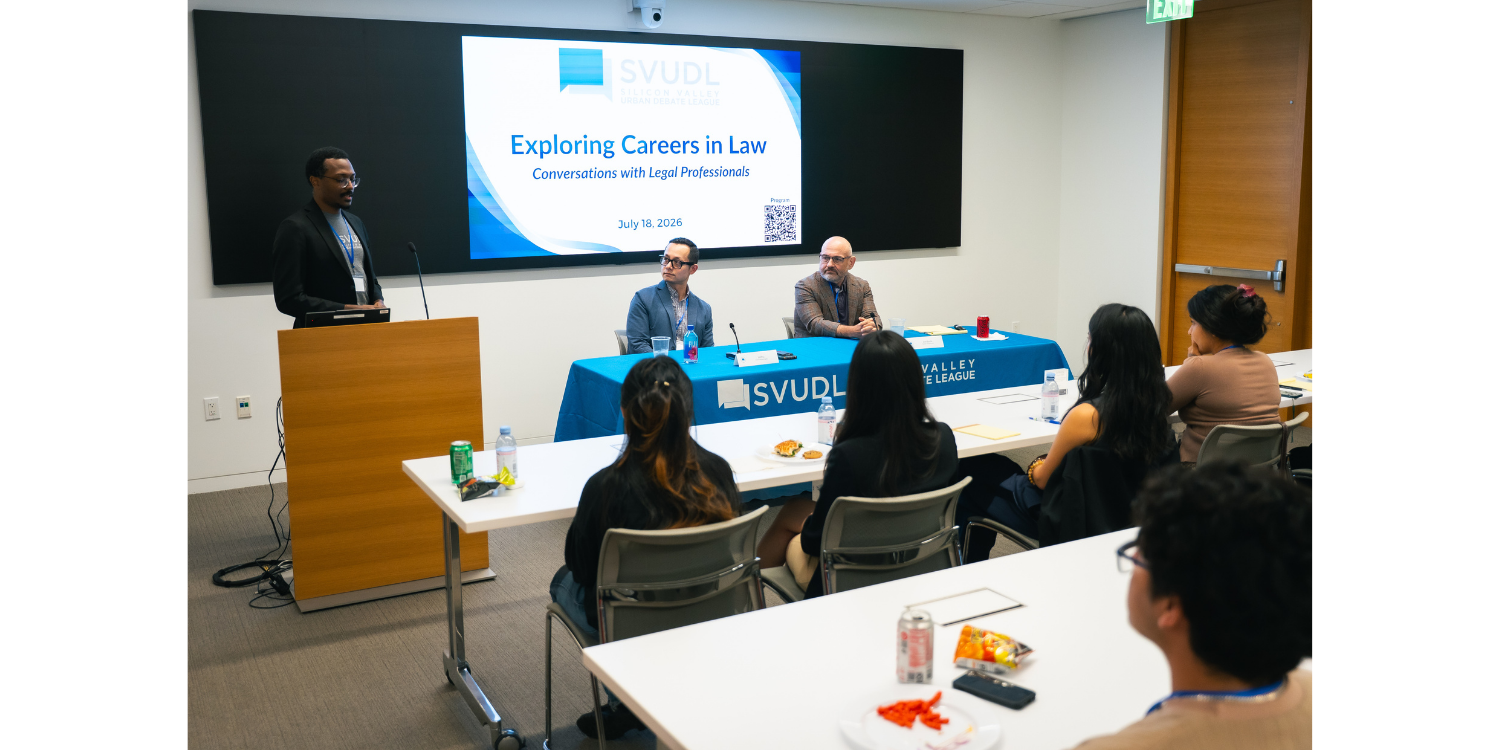
On a July afternoon this summer, SVUDL alumni, students, community members, and legal professionals gathered at Kirkland & Ellis in Palo Alto for an afternoon dedicated to exploring the legal profession from the inside out.
The event brought together a strong turnout of SVUDL alumni and current students for a three-panel workshop designed to go beyond the familiar idea of “becoming a lawyer.” Over the course of the afternoon, attendees heard about the many directions a legal career can take, the choices that shape those paths, and the experiences that often matter just as much as a job title.
The three conversations focused on Judicial & Court System Careers, Private Practice & Corporate Law, and Public Interest & Government Law, giving attendees a broad view of the profession and the many environments in which legal training can lead.
But the afternoon was about much more than learning what different lawyers and judges do.
Panelists spoke openly about the roads that brought them to where they are today—roads that were not always direct or predictable. They reflected on how their lives, priorities, and even career directions changed over time, including after becoming lawyers, with some moving into education, public service, and other fields. They also shared the challenges they faced, the skills they had to learn along the way, and the lessons they wished they had known earlier.
The conversation was equally candid about law school itself. For some panelists, it was not always part of the original plan, and they spoke honestly about both its opportunities and its tradeoffs. Their advice encouraged students and alumni to think carefully about whether law school aligns with their goals, while recognizing that a legal education can lead to many different kinds of careers and futures.
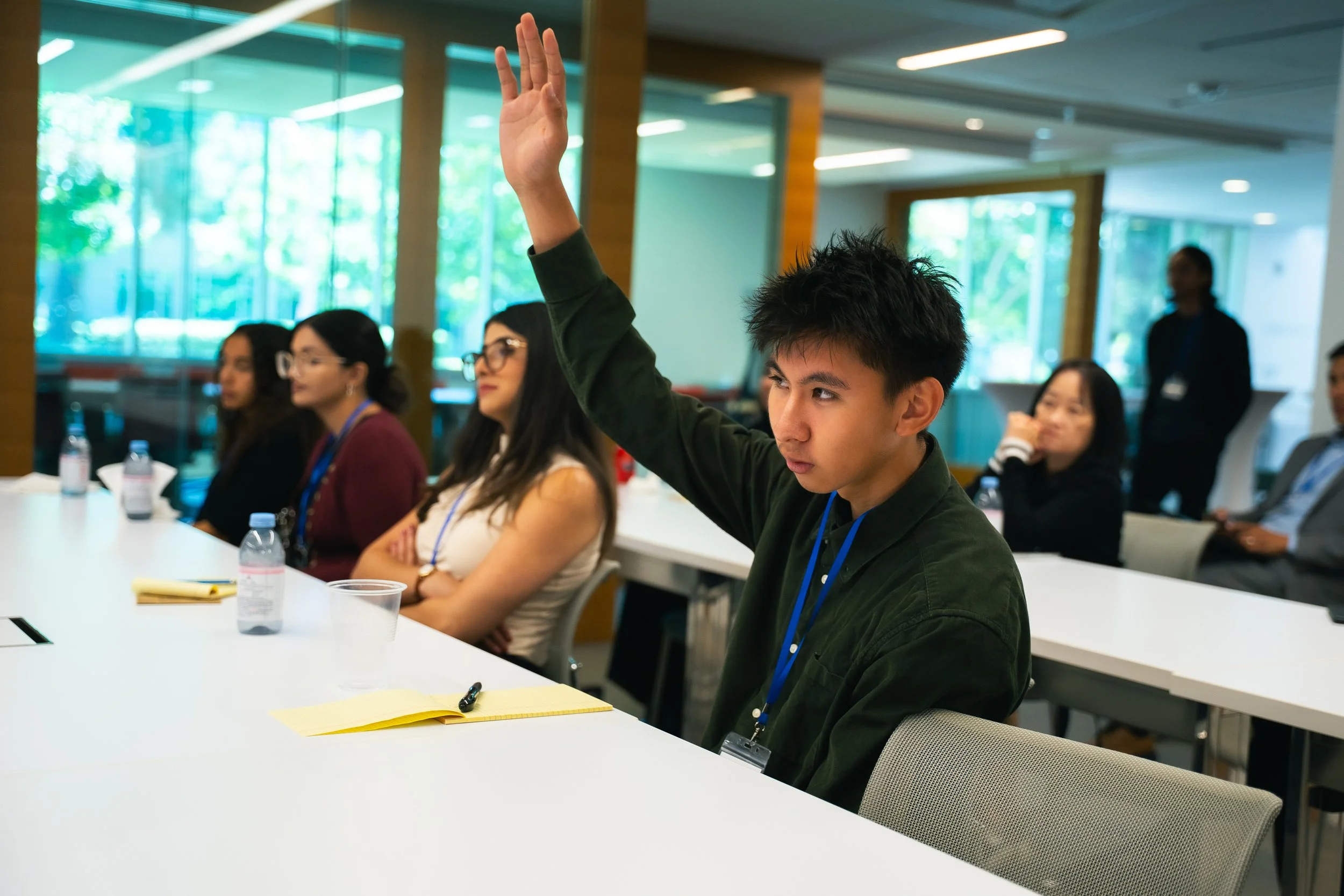
For alumni and students still considering what their own futures may look like, those stories gave the event particular depth. Rather than presenting a single formula for success, the panels showed that careers are shaped by curiosity, persistence, changing interests, difficult decisions, unexpected opportunities, and a willingness to keep learning.
Panelists also shared the lessons they wish they had known earlier and the advice they would offer to a younger generation entering the profession. Their reflections gave attendees the chance to think not only about which legal careers might interest them, but also about the kind of professional, and person, they hope to become along the way.
“What I enjoyed about Kirkland & Ellis was the variety of legal professions shown. It was an absolute honor to hear from experts in the field—and their insight will definitely help discern the steps I’ll take in my future.” (Elisa Nguyen, student at KIPP San Jose Collegiate)
“I really enjoyed networking, and reconnecting with all the panelists from different areas of law and advocacy, whether it was intellectual property, appellate courts, or the state senate. It was especially nice to see what is possible beyond traditional linear paths, which really gives me options and possibilities to consider in my future as to how I can impact this space.” (Ojas Gandhi, SVUDL alum and student at UC Santa Cruz)
“The legal careers brought together professionals from many different legal fields into one session, introducing students to judicial, business, and policy law, which truly helped students understand the different facets of each field while gauging their own interest. On top of it, the exposure to law schools really helped them answer their logistical questions about studying law and start building a pathway to their final goal.” (Aleesha Kashif, SVUDL Program Specialist)
The learning continued beyond the formal panel discussions. During the networking reception, attendees had the opportunity to communicate directly with the panelists, ask follow-up questions, and connect in a more personal setting. Those conversations allowed students and alumni to dig deeper into topics that resonated with them, learn more about individual career journeys, and begin building relationships with professionals across the legal community.
For many attendees, that access was one of the most meaningful parts of the afternoon. Hearing someone describe their career from a stage is valuable; having the chance to sit across from them, ask a question, and hear more about the choices behind that career can make the profession feel more tangible and attainable.
We are deeply grateful to our panelists—Justice Cynthia Lie, Jim Basile, Li Zhu, Vincent Joralemon, and Meghan Bedi—for generously sharing their time, experiences, challenges, and advice with the SVUDL community. Their willingness to speak honestly about both the rewards and realities of the legal profession made the afternoon especially meaningful for our alumni and students.
Events like this give young people and emerging professionals something that is difficult to gain from a job description or law school website: a fuller picture of what a career in law can actually look like. They create space to ask questions, hear different perspectives, discover possibilities that may not have previously been considered, and understand that there are many ways to build a life in the law.
Most of all, this event was an opportunity for SVUDL alumni and students to imagine what might come next, and to hear from people who could speak honestly about the many different ways of getting there.
We also extend our sincere thanks to K&E for hosting the event and providing a welcoming space for our students, alumni, community members, and legal professionals to learn, connect, and share an afternoon together.
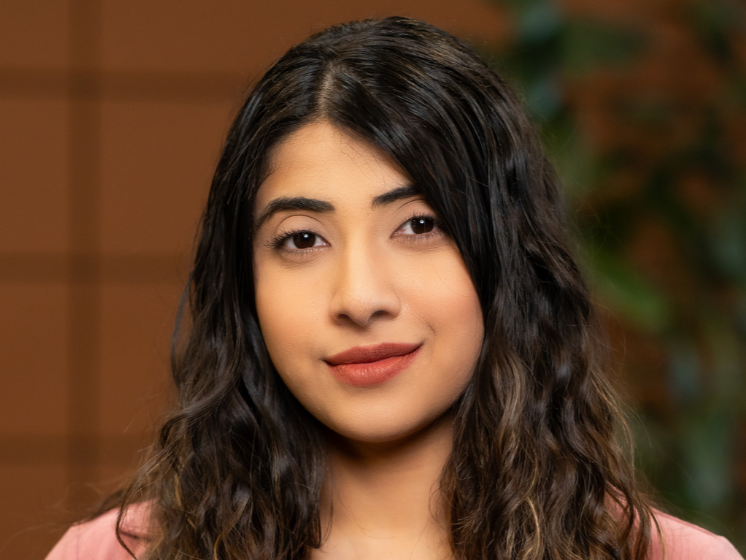
Welcome Aleesha Kashif, SVUDL's New Program Specialist
Aleesha Kashif is officially part of the SVUDL team, joining as our newest Program Specialist. Inspired by SVUDL's mission to empower students to learn critical thinking, communication, and advocacy skills, Aleesha Kashif first joined the organization in 2024 as a Teacher Coach at KIPP San José Collegiate (KSJC). When students advocated to reestablish Speech and Debate on campus, she helped build the program from a handful of students into a thriving team. Read her full profile here.
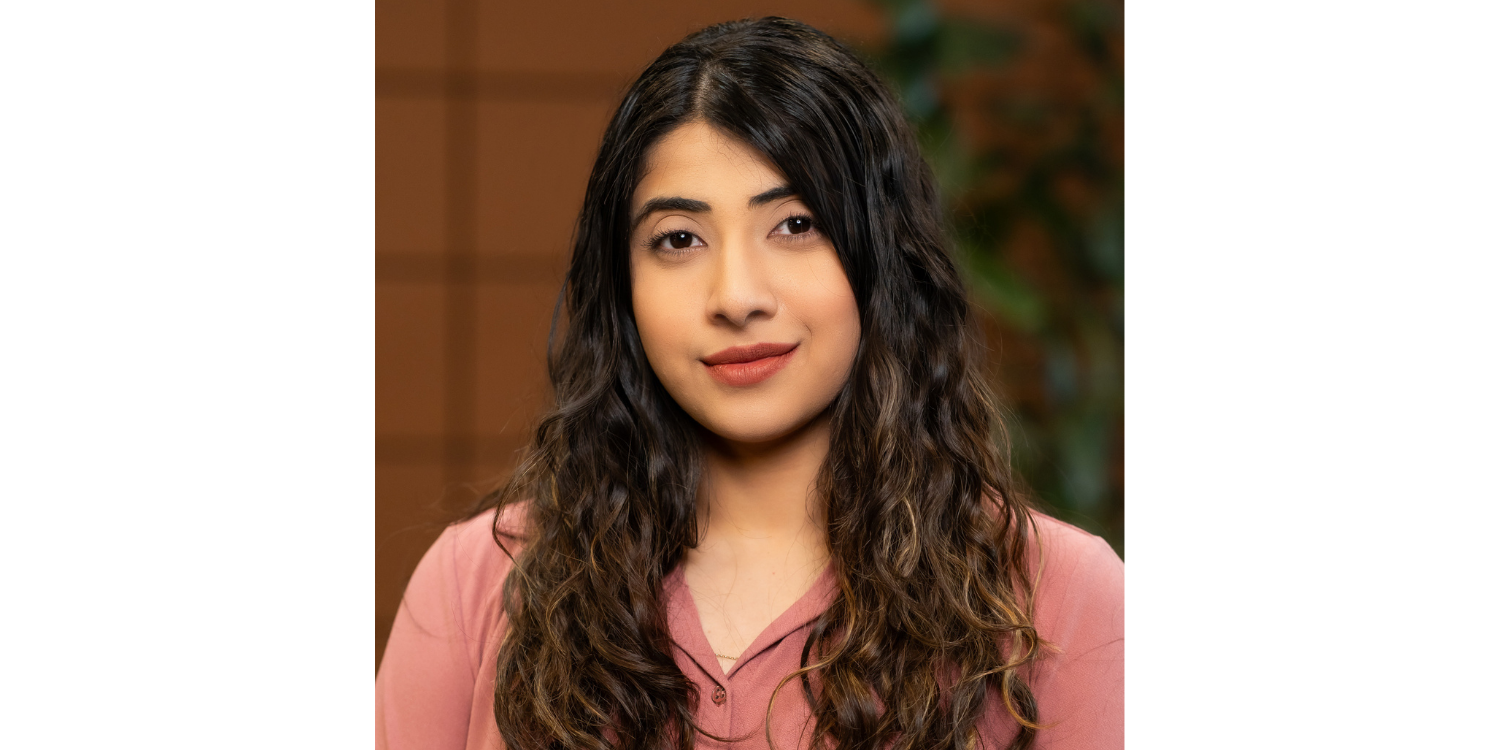
Aleesha is driven by a mission of understanding and helping others, with a lifelong passion for teaching diverse learners through varied forms of instruction. She volunteered in high school as a Teacher's Assistant, worked in Applied Behavior Analysis in college, and most recently served as an Education Specialist and Special Education Department Chair at KSJC.
She enjoys learning different ideologies and contributing to innovative solutions. Inspired by an International Relations course, Aleesha studied International Business with a specialization in Management Information Systems and a minor in Political Science at San José State University (SJSU), seeking to understand how people from different fields and parts of the world communicate and collaborate. Her educational and professional journey has all been in service of her career goal of pursuing law.
Aleesha has always been an active participant in her community. As Managing Editor of her high school newspaper, she advocated for higher educator pay, highlighted local businesses, and educated students on food waste solutions. As part of Generation of Aspirational Leaders at SJSU, she presented solutions for local air quality reform and student legal support in pitch competitions. In her free time, she enjoys kickboxing, the beach, and time with friends and family.
Aleesha looks forward to working with students, teachers, and partners of SVUDL to continue empowering students to pursue their goals and dreams. Please join us in welcoming her to the team!
From Campus Visits to Coffee Chats: Expanding 1:1 Professional Connections at SVUDL
The SVUDL Advisory Committee’s core goal is to help interested students and alumni build their social and professional capital with the networks they need to pursue their career aspirations in their field of choice. The skills our students build through Speech and Debate are exactly what the world is looking for. Our Advisory Committee is made up of professionals across industries who want to help our community turn those skills into real opportunities. SVUDL is excited to channel the momentum of Advisory Committee professional access events and site visits to broaden our Advisory Committee’s reach from group events to 1:1 coffee chats. Click here to learn more!
The SVUDL Advisory Committee’s core goal is to help interested students and alumni build their social and professional capital with the networks they need to pursue their career aspirations. The skills our students build through Speech and Debate are exactly what today's professional world demands, and our Advisory Committee—composed of leaders across diverse industries—is dedicated to turning those skills into tangible opportunities. SVUDL is excited to channel the momentum of Advisory Committee professional access events and site visits to broaden our Advisory Committee’s reach from group events to 1:1 coffee chats.
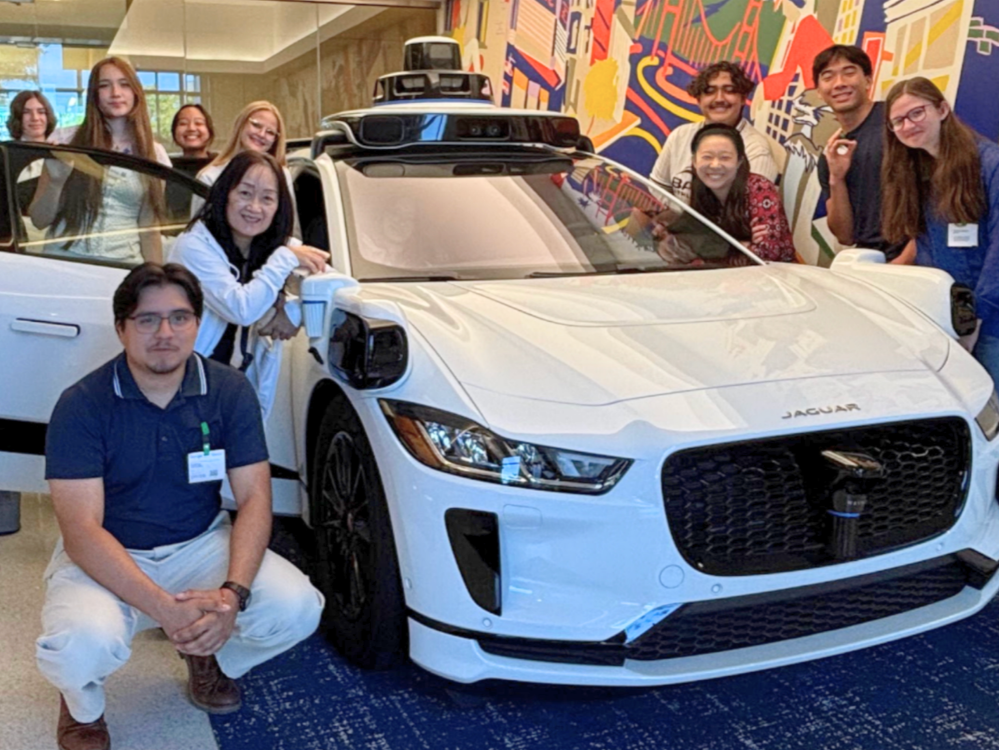
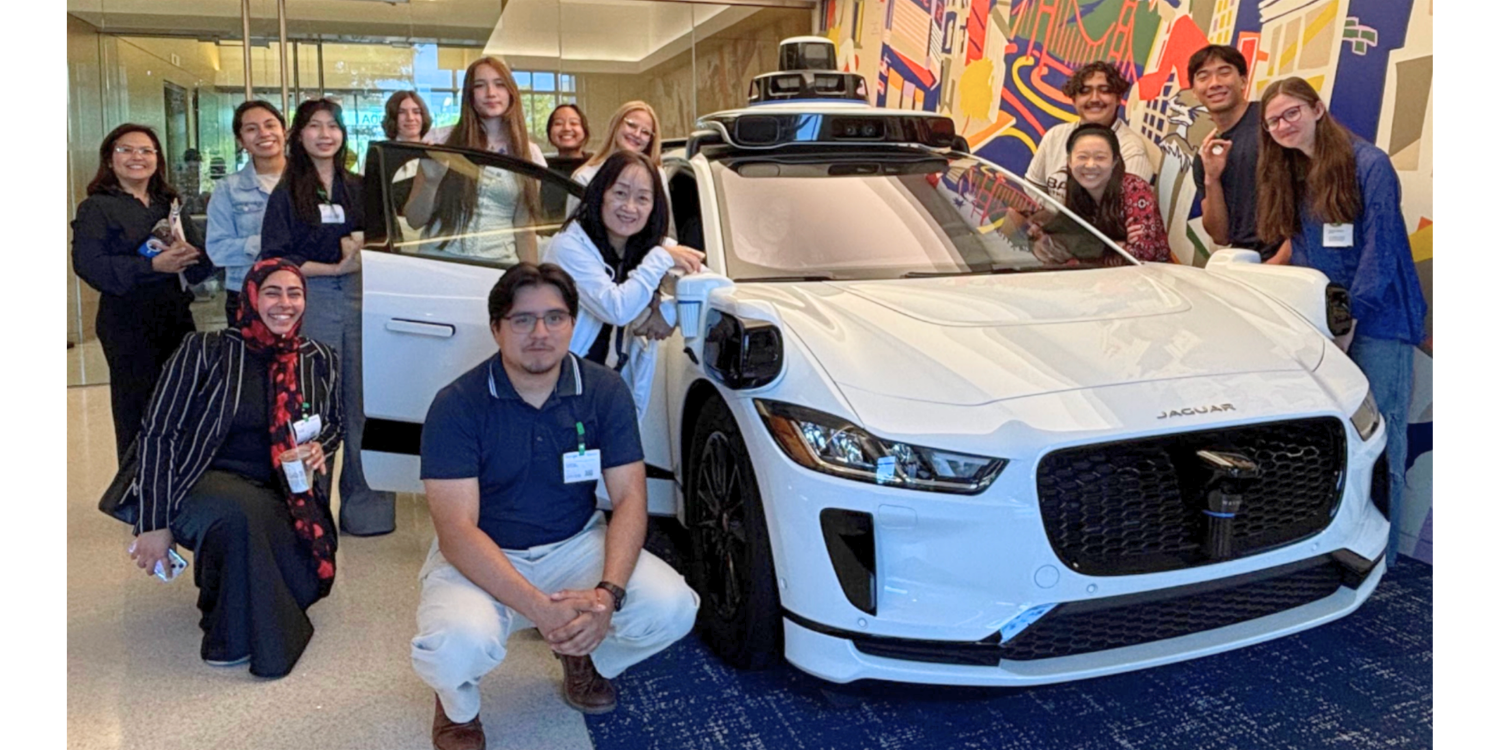
This post traces one SVUDL thread over the past year—from a group campus visit to 1:1 coffee chats. This highlighted journey starts early in 2026, when SVUDL more than doubled the turnout from our 2025 Waymo campus visit to host another group of students, alumni, and parents for this year’s Waymo campus visit.
The Waymo site visit included a tour, a behind-the-scenes tech talk, lunch, ice cream, and Q&A. Students inquired about the tech behind these autonomous vehicles—vehicle mechanics, driving technology, recording timelines, privacy protections, artificial intelligence, technological competition; students also asked about career paths—internships, professional trajectories, work progressions.
Annie Matheu, Waymo host and SVUDL volunteer, highlighted the transferability of Speech and Debate skills, especially the analytical frameworks. She gave many examples of how Speech and Debate principles can be applied across industries and fields to help one thrive.
Several students reached out to Annie after the Waymo campus visit, and as Annie set up follow up conversations with them, she enthused to SVUDL about the value in both group campus visits and 1:1 individual sessions, which accelerated the momentum for SVUDL and the Advisory Committee to spend 2026 putting together a new initiative: Advisory Committee coffee chats. Through this program, students and alumni can connect directly with Advisory Committee members—in person or over video call. SVUDL has assembled a dedicated bench of volunteers across diverse fields—our volunteers are all in different career stages, so each will be able to offer unique, specific insight, but all want to spend more time with our students and alumni!
We’ll be launching our internal Advisory Committee coffee chat platform soon, but as a teaser, here’s Annie in her own words for what she personally hopes to offer students and alumni through “Advisory Committee Coffee Chats.”
Thank you to Annie and Waymo for hosting our students and alumni. And thank you to the SVUDL Advisory Committee for continuing to expand its offerings to our SVUDL community members! Stay tuned for our official launch!
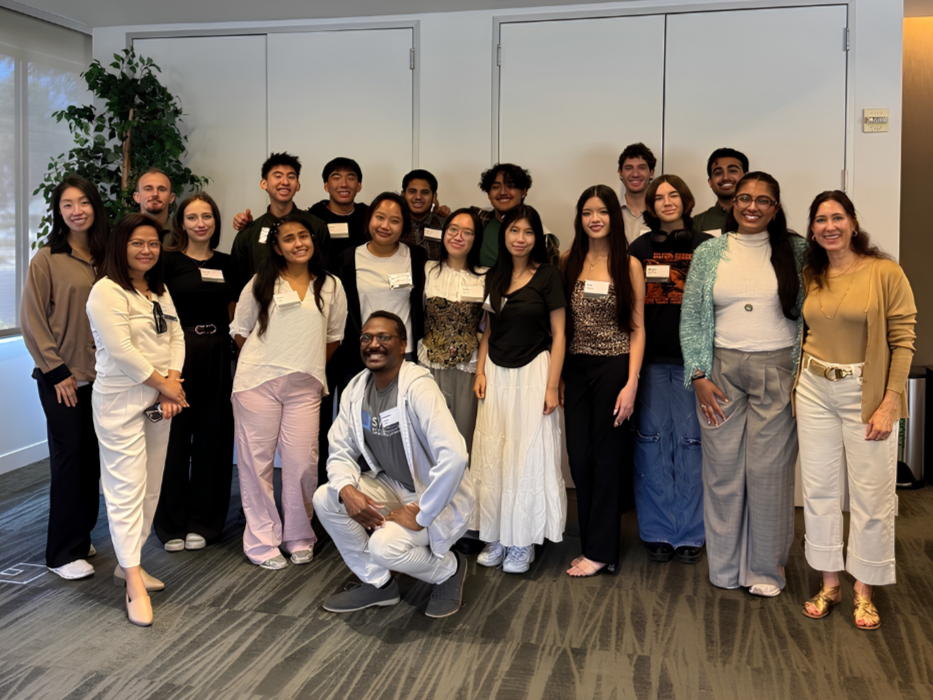
Orrick Hosts Interview Workshop for SVUDL Students
From answering, “Tell me about yourself” to posing thoughtful questions to a prospective employer, interviews require preparation and practice. A recent workshop at Orrick’s Menlo Park office helped SVUDL students and alumni build those skills with support and feedback from Orrick Associates and Summer Associates.
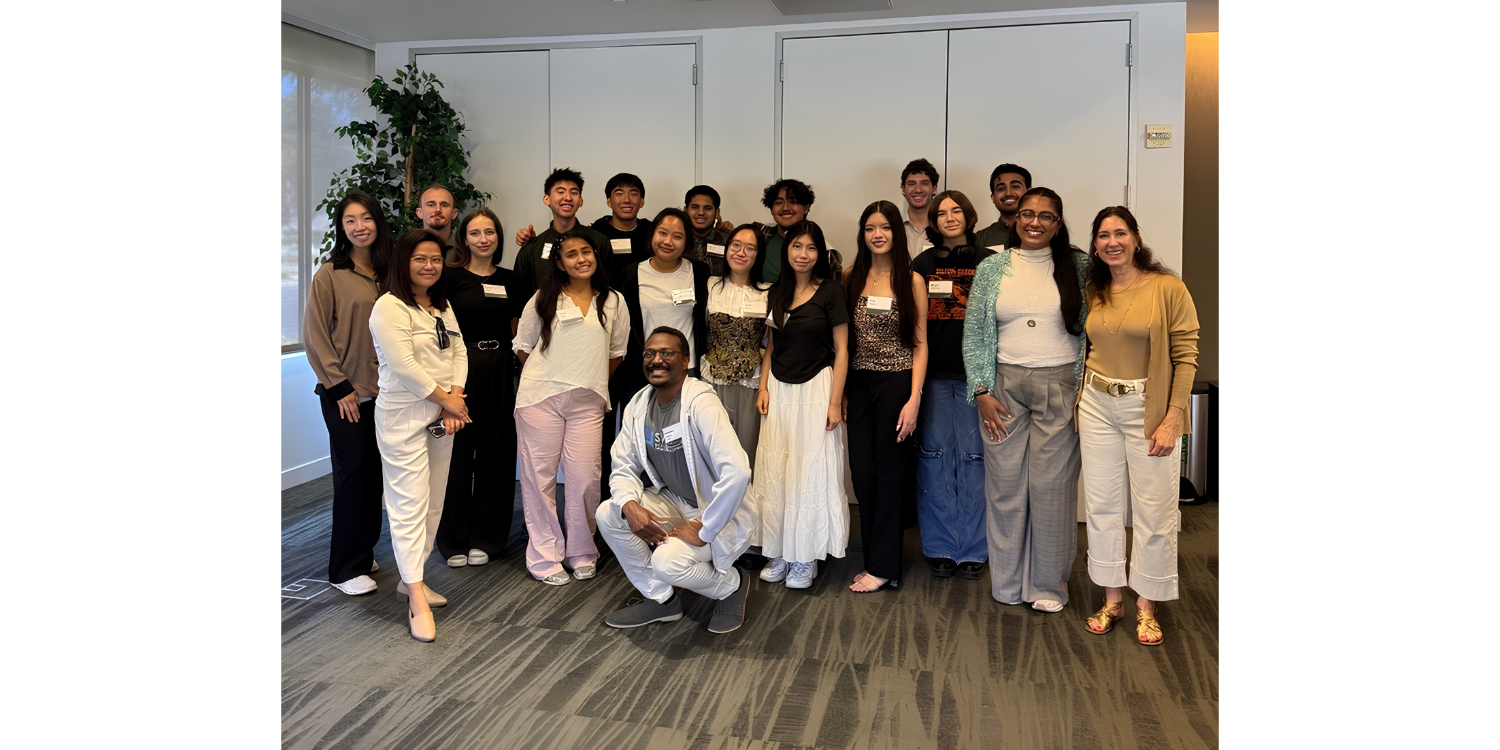
Nine SVUDL students and alumni attended an interview skills workshop hosted by Associates and Summer Associates at the Menlo Park office of Orrick, Herrington & Sutcliffe. The session introduced participants to common interview questions, preparation strategies, and ways to connect their experiences to the position or opportunity they are seeking.
Participants discussed the importance of researching an employer, reviewing the job description, preparing examples from their academic and extracurricular experiences, and asking thoughtful questions about a workplace. SVUDL alumnus Noah Becerra reflected, "I'm glad to know what an interview is like... Now, I know how to prepare for one and I can take what I've done with my research for law firms and apply it to interviews."
Throughout the workshop, participants were encouraged to draw from experiences they already have through school, Speech and Debate, extracurricular activities, and previous work. The speakers explained that examples of resolving disagreements, contributing to a team, responding to failure, or organizing a project can help interviewers understand how an applicant approaches responsibility and problem-solving.
The group also discussed how to make interview responses clear, relevant, and conversational. Michelle Tran, a junior at KIPP San Jose Collegiate High School, shared, "I learned to make my answers a lot more genuine and to have stories ready, and to make things conversational. At first I was sort of robotic but he helped to make my tone more conversational."
The workshop concluded with small-group practice. Students and alumni prepared responses to "Tell me about yourself" and selected behavioral interview questions, then received feedback from Orrick team members. The practice gave participants time to turn their experiences into focused answers by explaining what they did, what they learned, and how those experiences connect to the positions they are pursuing.
Zakaria Aissous, a rising senior at Silver Creek High School, said, "I learned to not only present a narrative, but to keep it succinct... Keep it conversational but also keep it short."
Participants also practiced asking questions of an interviewer and considering whether a workplace might be a good fit. Megan Medeiros, a rising senior at Silver Creek High School, reflected, "I hadn't had a lot of experience before with asking the interviewer questions, either during or after the questioning period, so I got some good feedback from one of the Summer Associates about how to really go about asking your questions, like making sure not to ask questions that are too heavy or complex and to make sure you're still making a good impression while getting the information you want from the interviewer."
Thank you to the team at Orrick for offering such an impactful workshop to SVUDL students and alumni!
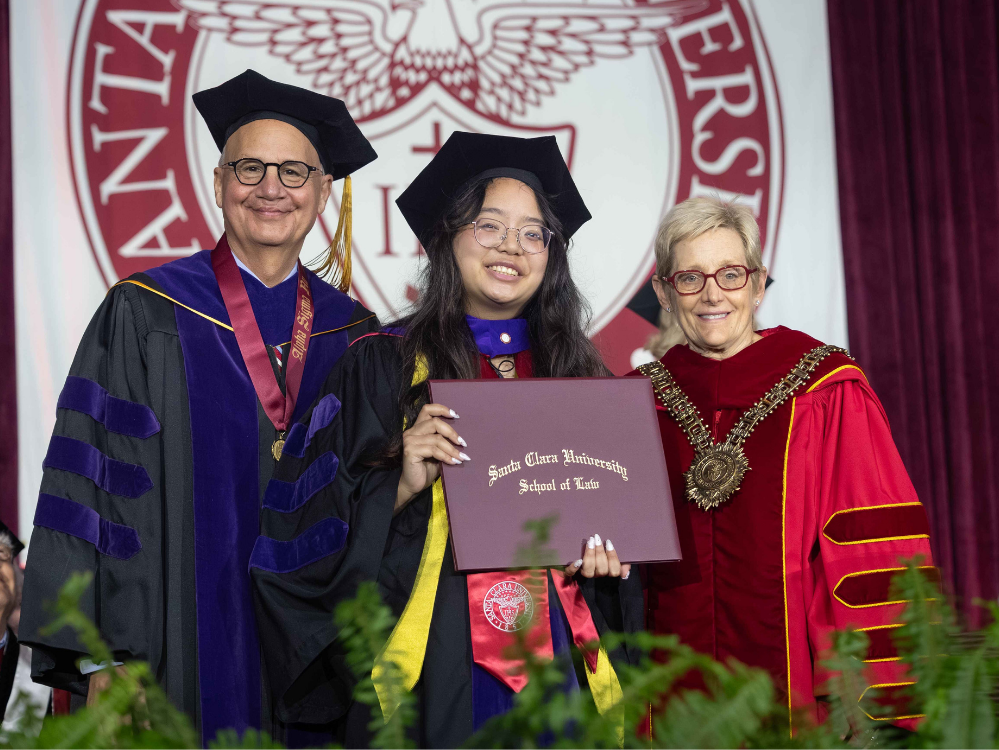
SVUDL Gave Me the Power to Make the Change I Want to See
Marybelle Uk will be the first to say she was not born a natural public speaker. The Silver Creek High School SVUDL alum describes her younger self as someone who could barely ask for ketchup at a fast food counter. Now she’s finished her final semester at Santa Clara University School of Law while working at a family law firm and an international human rights clinic. "SVUDL shaped me as a person by showing me how to push through fear. It taught me that I could do it even if I was scared,” she reflected. Keep reading to learn more.
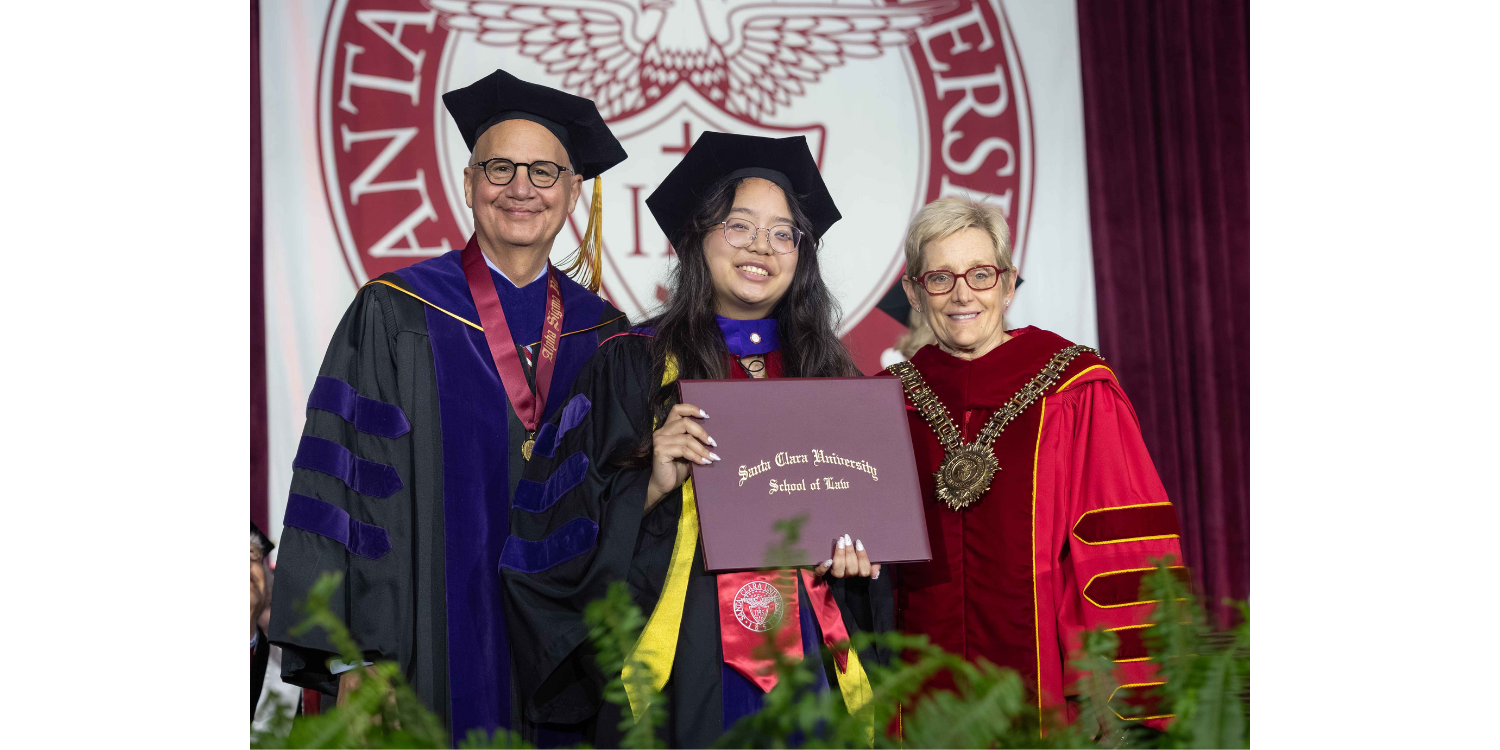
What drew SVUDL alum and recent Santa Clara University School of Law graduate Marybelle Uk to SVUDL wasn't solely ambition — it was belonging. "Everyone at SVUDL is passionate about helping students succeed while also having fun. It was important for me to have a space after school where I didn't have to worry about parents, chores, or other responsibilities. It was critical for me to be around other people who also wanted to learn."
At SVUDL, she started finding her voice. Not all at once, and not without discomfort, but steadily. She describes her younger self as someone who could barely ask for ketchup at a fast food counter. “SVUDL gave me the tools I needed to just put myself out there and try. A lot of the conversations that matter are scary. SVUDL gave me the power to have those conversations.”
That shift shaped more than her confidence. It shaped her direction. "SVUDL encouraged me to pursue law school. It gave me the push from being that shy kid who couldn't really speak up for herself to being able to advocate for others who really need help. SVUDL shaped me as a person by showing me how to push through fear. It taught me that I could do it even if I was scared. SVUDL gave me the power to make the changes I want to see in the world."
Her first law school summer, interning at the Santa Clara County Public Defender's office, solidified her belief that all criminal defendants deserve to be heard and have their day in court. “Seeing how heavily some of these charges weighed on people and how unfair our legal system really can be was eye-opening,” she recalled.
She's carried that perspective into her current work at Santa Clara University School of Law International Human Rights Clinic where she recently helped draft an amicus brief for the Inter-American Court of Human Rights. "It's difficult to stomach some of the human rights abuses we read about but doing this type of work is critical and lets me keep using the skills I've built to push for change."
"Being able to interact with people in a legal sense knowing how difficult everything is to navigate and seeing the relief on their faces when things are resolved means everything,” she says, referencing her current work at a family law firm. She also somehow finds time to volunteer with Bridge to Justice, Second Harvest, and the Red Cross.
Ultimately, she sees her own story reflected in current SVUDL students. "You can see the impact by how many alumni come back to help as staff and judges. SVUDL has changed the lives of every student that comes through the program.”
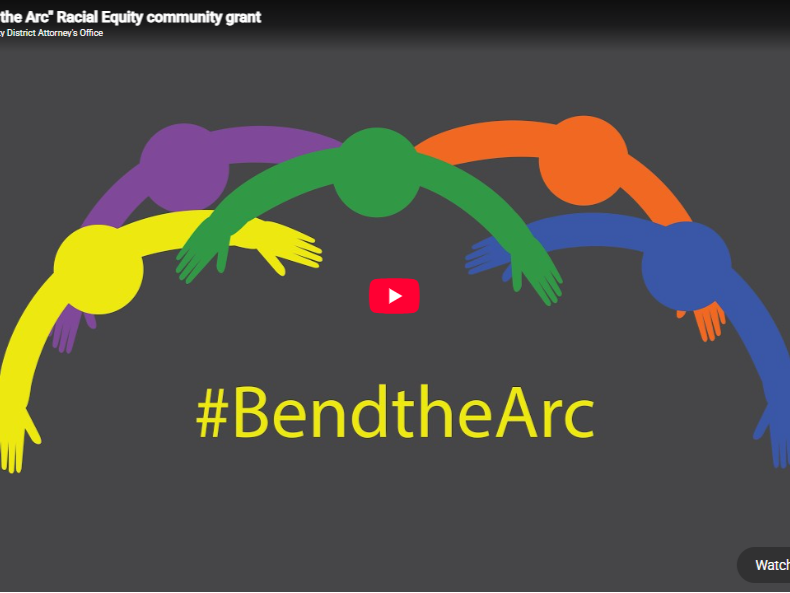
Bend the Arc
"The arc of the moral universe is long, but it bends towards justice."
—Dr. Martin Luther King Jr.
We're proud to share that SVUDL was featured in a new video from the Santa Clara County District Attorney's Office, spotlighting the impact of its “Bend the Arc” grant program. As a 2025 grant recipient, SVUDL strengthened the Speech and Debate program at Andrew P. Hill High School that reached over 300 students last year, both inside the classroom and after school.
The Santa Clara County District Attorney's Office "Bend the Arc" grant program has successfully distributed more than $280,000 in grants to almost 60 local organizations. Groups are eligible to receive up to $5,000 in grant funds to work against racial inequity in Santa Clara County. The grants come from the office's Asset Forfeiture Fund.
The grant program was launched in the wake of George Floyd's murder as part of the Santa Clara County District Attorney's broader reform efforts. SVUDL used the award to strengthen the Speech and Debate program at Andrew P. Hill High School in San Jose that enrolled over 300 students, primarily low-income students of color, including many English language learners. See this work featured in the Santa Clara County District Attorney's Office video by clicking the play button above.
The arc of the moral universe may bend toward justice, but it doesn't bend on its own. It bends when we put our hand on that arc and nudge it forward. Thank you to the District Attorney's Office for creating real opportunity and helping to strengthen our community in the process.
From Silver Creek to the National Stage
This summer, rising Silver Creek High School junior Dhyana Desai represented SVUDL and her school at the National Speech & Debate Tournament after a season defined by growth, perseverance, and dedication. Read about her journey to nationals and the lessons she took away from competing among the country's best.
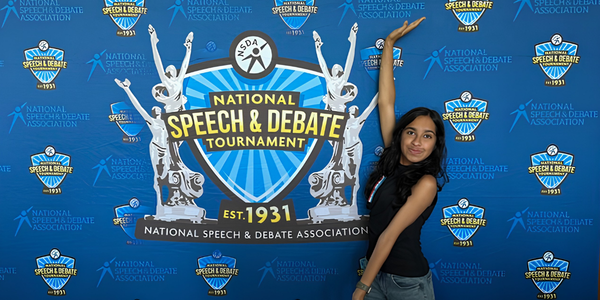
This summer, Silver Creek High School student Dhyana Desai, a rising junior, represented both her school and the Silicon Valley Urban Debate League at the National Speech & Debate Association’s (NSDA) Nationals Championship Tournament after qualifying in the Program Oral Interpretation Speech event through the Last Chance Qualifier.
For Dhyana, qualifying for the national championship tournament marked the culmination of years of perseverance and dedication to Speech and Debate.
Reflecting on her journey, Dhyana shared, "I first joined Speech and Debate in 6th grade, not knowing how much it would shape my high school experience. Over the years, I experimented with different Speech events, trying to find the event that fit me best."
While many students focus on Debate or traditional Speech events, she discovered her passion in Interpretation. "What drew me to Interpretation was its ability to communicate powerful messages through real people's stories. I loved being able to advocate for issues I care deeply about by bringing those experiences to life on stage."
Dhyana's path to the national stage was defined by resilience and determination. Throughout the season, she competed in tournaments across the region, growing as a competitor. She earned her first Tournament of Champions bid at the John Lewis Tournament, while remaining focused on earning a spot at the National Speech & Debate Tournament. Even after falling short at district qualifiers, she continued pursuing every opportunity to reach the national stage. Reflecting on that journey, Dhyana shared, "Qualifying through the Last Chance Qualifier reminded me that setbacks don't define your journey, and that continuing to work hard can lead to incredible opportunities. After placing sixth at district qualifiers, I thought I was done for this Speech season. Thankfully, the Last Chance Qualifier gave me another chance to showcase my speech and advocate for a topic that deserves to be known."
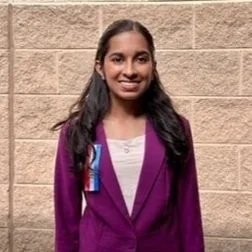
Competing on the national stage gave Dhyana the opportunity to meet students from across the country while representing Silver Creek High School. "It was exciting to meet students from across the country, each bringing different perspectives, performance styles, and stories to share," she said. Between competition rounds, she enjoyed exploring the tournament venue, connecting with fellow competitors, and experiencing the unique community that the national tournament brings together.
One of the most memorable parts of the experience was watching some of the country's top competitors perform. "Their creativity, dedication, and passion inspired me and gave me new ideas for how I can continue growing as a competitor," Dhyana shared.
Beyond the competition itself, the tournament reinforced lessons that extend far beyond Speech and Debate. "The tournament taught me that success isn't measured only by final placements. Every round was an opportunity to learn, adapt to different judges, and become a stronger communicator."
Dhyana also emphasized that this achievement was made possible through the people who supported her throughout the season. "This achievement would not have been possible without the support of my coaches, teammates, family, and the entire Silver Creek Speech & Debate community, whose encouragement and feedback helped me improve as both a competitor and a performer."
As Dhyana looks ahead to her junior year, her journey is a reminder that resilience, hard work, and a willingness to keep growing can open doors to extraordinary opportunities. We are incredibly proud of her accomplishments and look forward to seeing where her Speech and Debate journey takes her next.
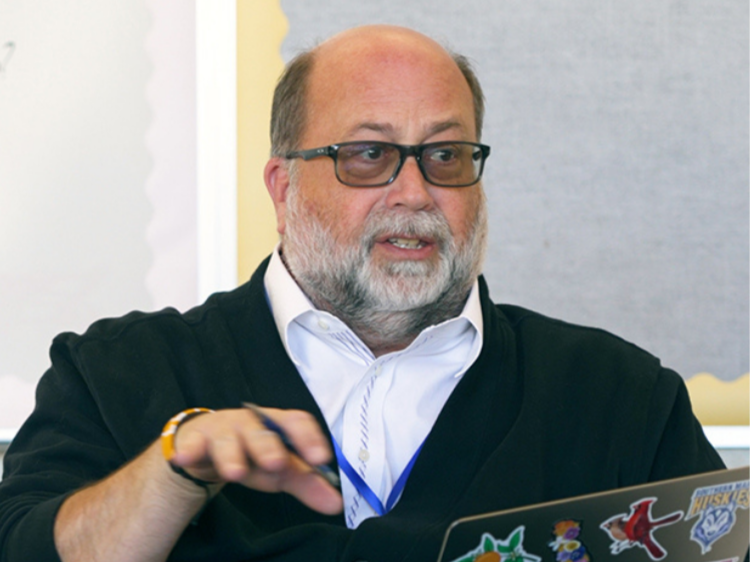
Debate Centered Instruction Changes How Students Learn
As a SVUDL Teacher Coach and DCI Fellow, Mt. Pleasant High School Social Sciences teacher Mark Hartung didn't come to Speech and Debate through the traditional route. As a parent who'd watched his own children move through an educational system that relied too heavily upon memorization, he felt something essential was being lost. "I wanted to be part of the movement to change how students learn." Keep reading here as Mark Hartung reveals how and why he began to use Debate Centered Instruction in his classroom.
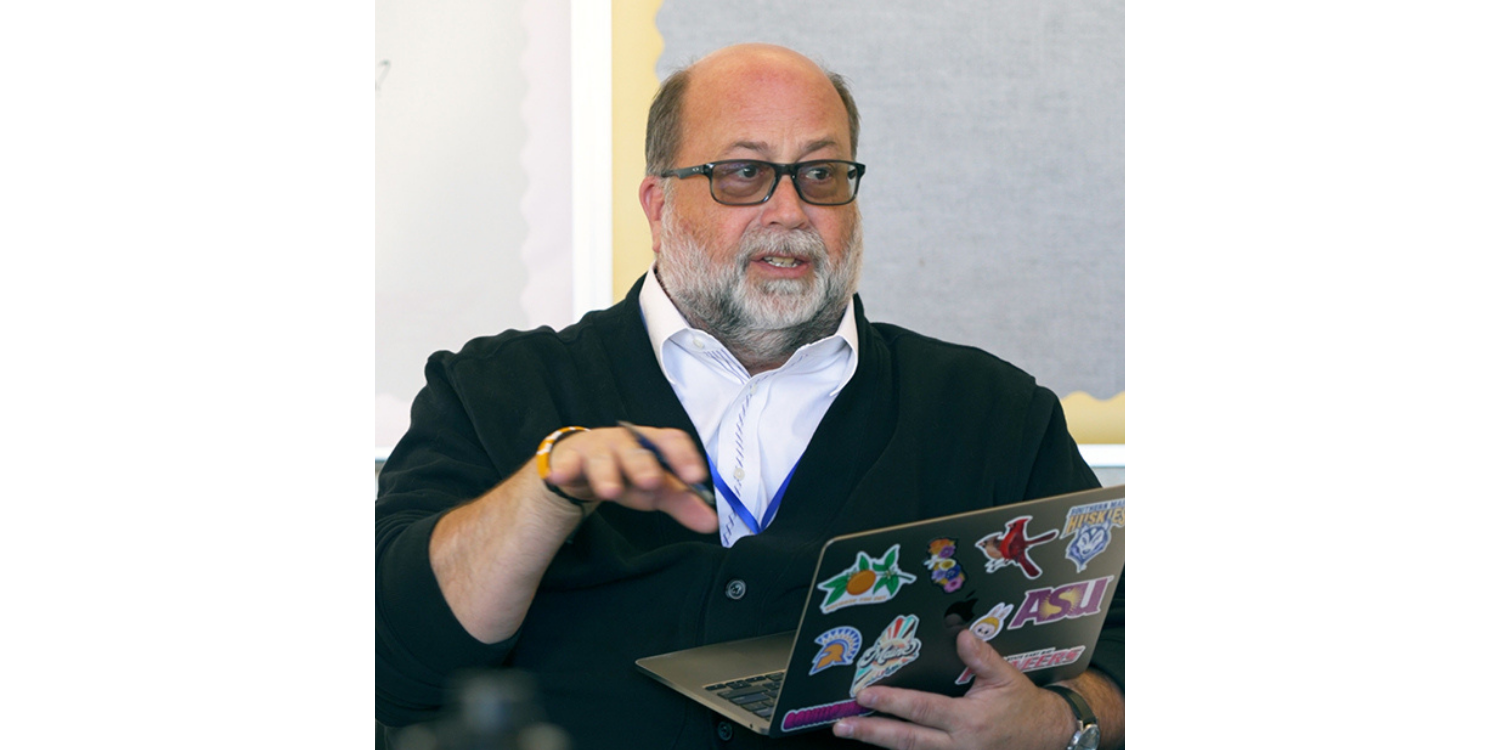
As a SVUDL Teacher Coach and DCI Fellow, Mt. Pleasant High School Social Sciences teacher Mark Hartung didn't come to Speech and Debate through the traditional route. "I think I did one debate in high school," he recalled.
What drew him in was a deep commitment to student learning, and an openness to whatever tools might be most effective. As a parent who'd watched his own children move through an educational system that relied too heavily upon memorization, he felt something essential was being lost. "I wanted to be part of the movement to change how students learn."
At Mt. Pleasant High School, he found students who — shaped by difficult life experiences — had stopped trusting some of the adults around them. He wanted these students to know that he was invested in the human beings sitting in front of him.
Three years ago, he connected with SVUDL. What surprised him was what coaching unlocked in his teaching. "It allows me the opportunity to get to know my students outside of the classroom," he says. "That allows for a deeper relationship and I can be even more supportive."
SVUDL gave him footing — answering questions, offering resources — but always pushed him toward independence rather than reliance. "It wasn't static," he says. "It was a growth opportunity."
Not every student can make Monday Speech and Debate team practice after school with Mark, who has coached the team for 3 years. Some students have jobs, younger siblings to look after, or other responsibilities. The students who couldn't stay were missing out — and they had just as much to gain. That realization led him to Debate Centered Instruction (DCI) — a methodology for taking the core components of debate and embedding them directly into existing lessons.
The difference in the classroom is palpable. "What makes me most excited is when students are still debating the issues out the door after class has ended," he says. "They sometimes care more about creating an argument for a debate than they do about other assignments."
He also points to confidence as a result of DCI — something that became harder to come by in the years following the pandemic, when students grew reluctant to speak up in class. "They're learning how to make an argument, what evidence works and what doesn't," he says. "Those things underpin the growth of confidence I've seen in my students."
That confidence has moved beyond the classroom. Students have told Hartung their parents were excited to hear about the program — proud to see their child step into something like this.
For teachers hesitant to try DCI, Hartung has this piece of advice: "You might feel intimidated or uncomfortable because it's new to you. But the benefits you're going to see in your students are going to far outweigh that early discomfort — and that discomfort is temporary.”
Teaching has always been about preparing students for what comes next. For Mark Hartung, debate — whether at a tournament or in the middle of third period — is one of the most powerful ways to do exactly that.
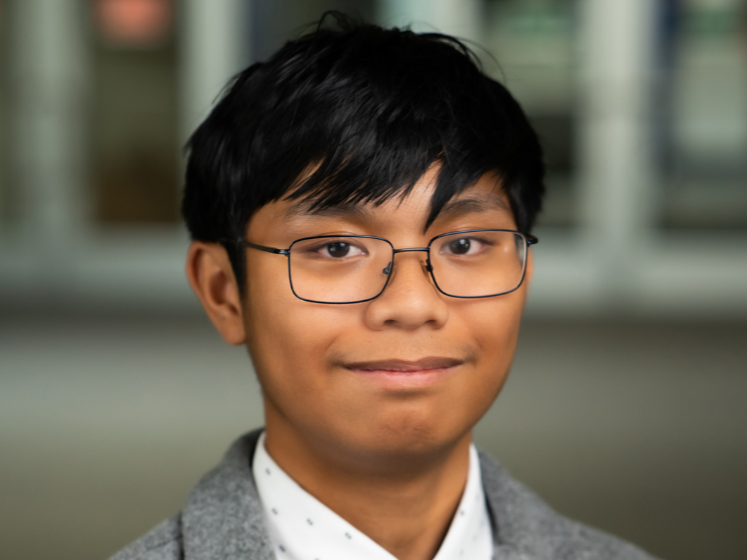
SVUDL Helped Me Develop a Sense of Empathy
For Eli Obero, a graduating senior at Independence High School, Speech and Debate has always been about more than arguments. What keeps him coming back is something harder to quantify: the people. “What I enjoy most about SVUDL is the community we’ve built with connections to other schools and competitors.”
Those relationships come alongside something equally important: a growing sense of purpose. “Debate allows me to advocate for myself and put all of this learning into action. We look deep into current events and the state of our country and the world, and examine different perspectives and political ideas.” Keep reading to uncover how Eli’s experience with SVUDL has shaped his ability to advocate for himself and others, while developing a deeper sense of empathy.
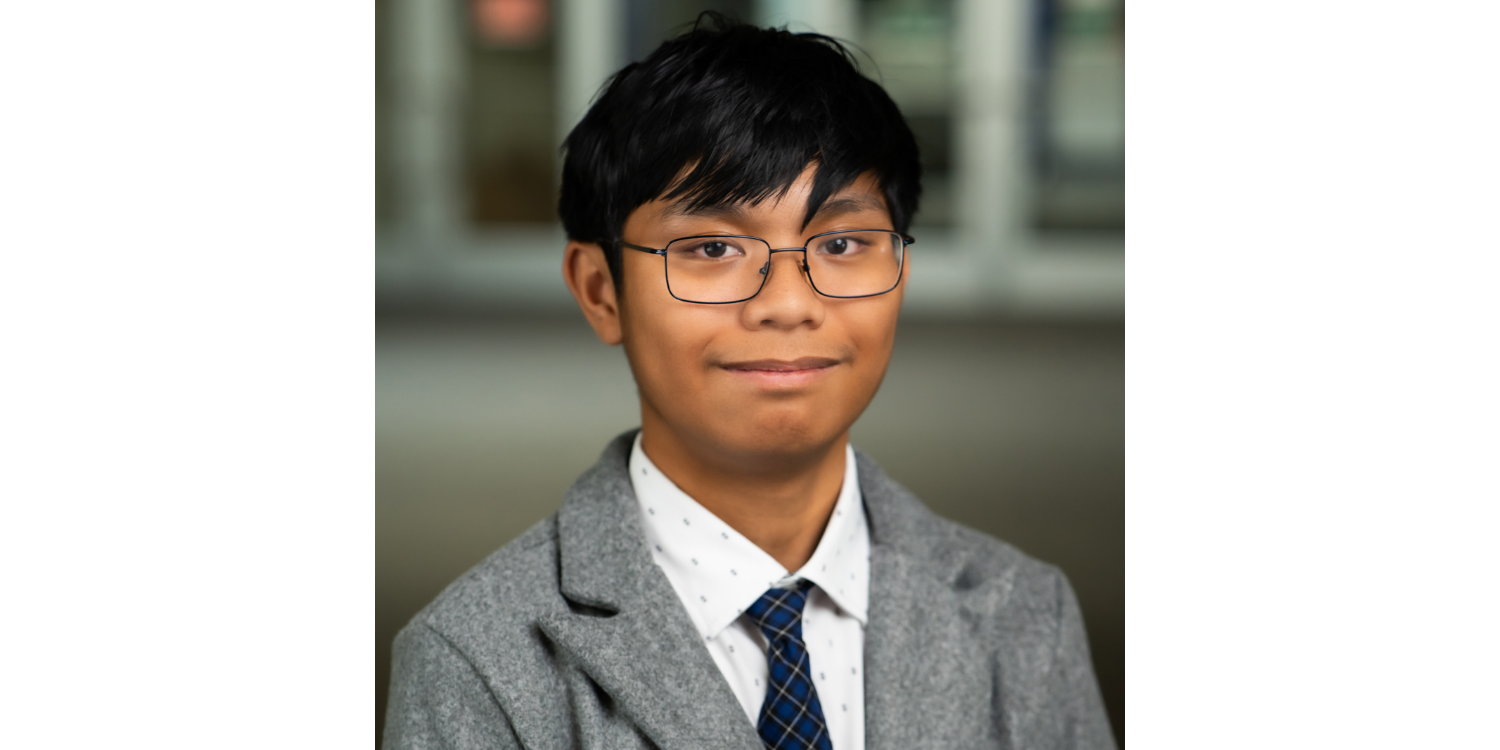
“You can't participate in Speech and Debate without public speaking. SVUDL has helped me become confident in knowing how to express myself,” says Eli Obero, a graduating senior at Independence High School. The skills Eli has acquired through SVUDL extend well beyond a Speech and Debate round. Public speaking is foundational, but the deeper impact has been intellectual. “The depth of research and learning that goes into the topics we work on within SVUDL is one of the most impactful aspects for me. It has helped me conceptualize the world differently than what is normally taught in school. We examine other ways of viewing the world, the dynamics of power, and how history plays out.”
Some of that history is the kind that rarely makes it into textbooks. “Debate has exposed me to sources, histories and perspectives that have been ignored, forgotten, oppressed, and erased. Facilitating arguments around these issues enabled me to have a deeper understanding of people in this country and the world who haven’t been treated fairly, and how we might work to rectify that. SVUDL has helped me develop a sense of empathy and to ask how we rectify the injustices in whatever relevant matter we are debating.”
That empathy has sharpened his ambitions. Eli arrived at Independence High with a vague idea of pursuing law or government. SVUDL turned that instinct into a direction. “SVUDL shaped my goals by clarifying what I want to do. I have done real research into these fields and explored the information vital to those roles. Now I can more fully understand what being in those jobs is actually like and what I’m truly interested in pursuing.”
Looking back, Eli sees SVUDL’s influence running through nearly everything about who he’s becoming. “I have become more confident and assertive in my ideas and how I express them. Through exploring different critical viewpoints and methods to address injustice, I have changed as a person and as a citizen. Ultimately, it can enable everyone to think about how we can strive to rectify past and current injustices.”
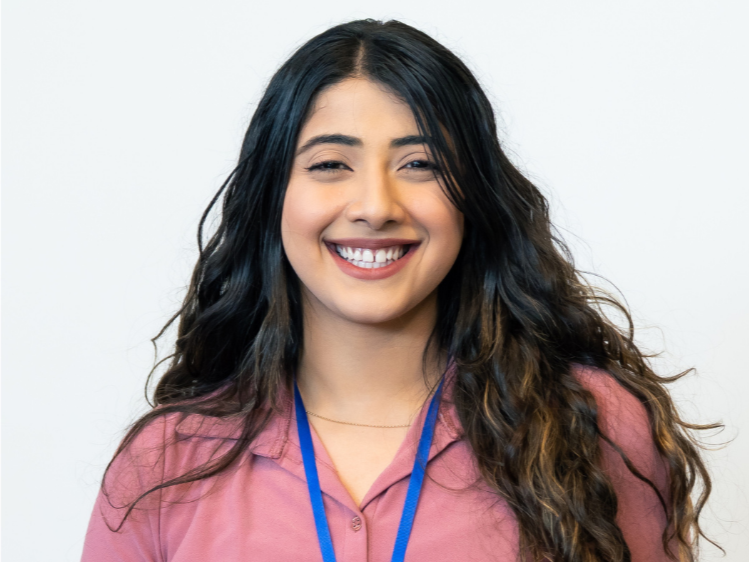
Meeting People Where They Are
Aleesha Kashif didn't take a straight road to coaching Speech and Debate at KIPP San Jose Collegiate, but every twist and turn shaped her into exactly the kind of mentor her students needed. In just two years, she helped build a team of thirty and a community where students are finding their voice. Keep reading to learn how Aleesha’s path has always linked back to meeting people where they are.
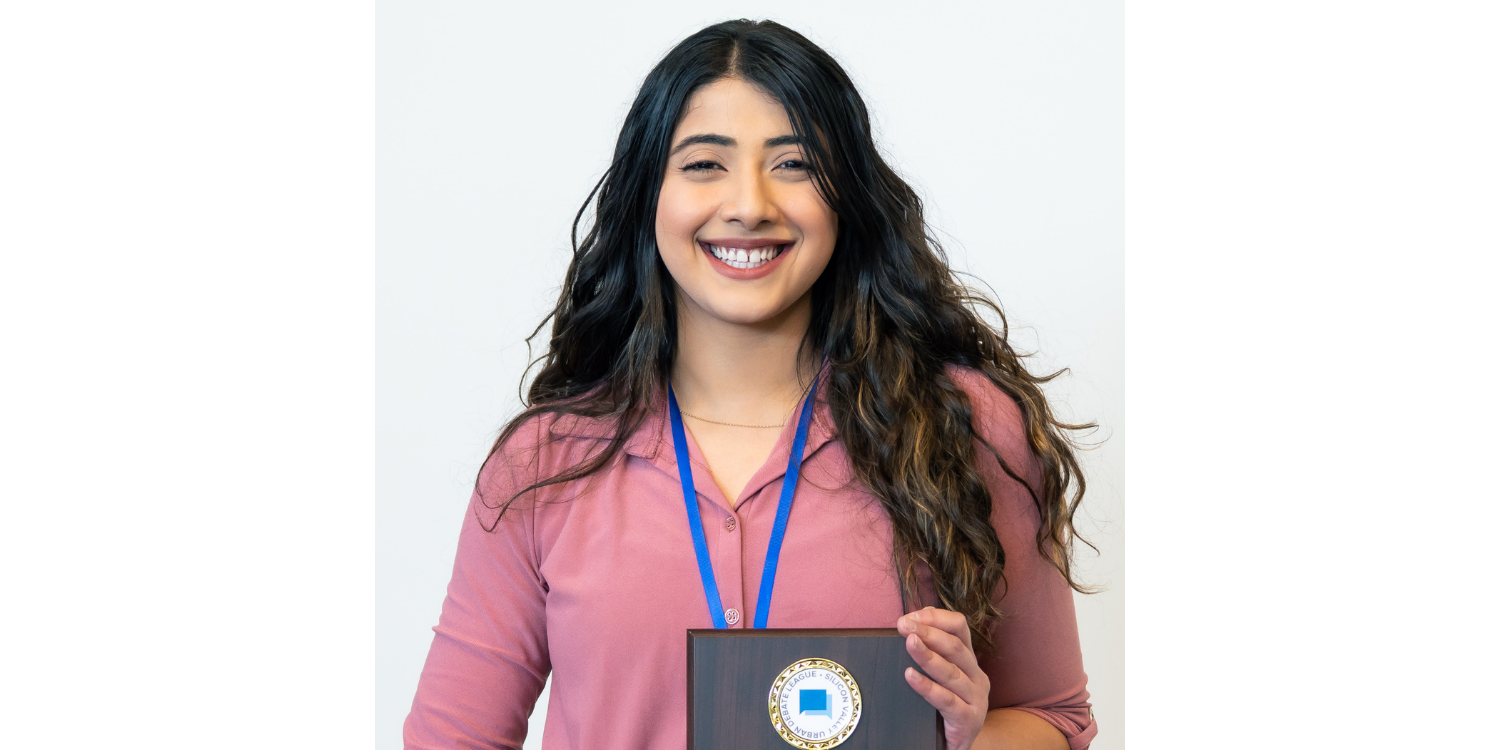
Aleesha Kashif, Teacher Coach at KIPP San Jose Collegiate, didn't take a straight road to the front of a classroom which is what makes her such an effective Speech and Debate coach.
She started college as a psychology major, drawn by a deep curiosity about how diverse minds work. That led her to her first job as a Registered Behavior Technician, an experience that planted the seeds for a vision she still carries with her today: building an adaptive learning management system for neurodiverse children. Though she later shifted her academic focus to international business, management information systems, and political science, that early work never left her. "I hope to have the opportunity, experience, and skills to build it one day," she says.
The path from that first job to KIPP San Jose Collegiate wound through substitute teaching — and a fortunate moment of recognition. A colleague spotted Aleesha in a classroom and referred her for an Education Specialist position. She embraced the role as a chance to sharpen her public speaking, lesson planning, and collaboration skills while developing individualized education plans for students with mild to moderate disabilities.
Over the past two years, Aleesha has co-taught English, math, and biology — identifying skill gaps and reteaching in a resource lab through diverse forms of instruction. Both English and biology wove in Debate Centered Instruction through Socratic seminars, where students discuss current issues and build on each other's reasoning in real time.
It was during one of those co-teaching classes that founder Mohnish Balaji overheard Aleesha mention her interest in pursuing law. He asked her to coach the Speech and Debate Club and help restart the program at the school.
Together with a small team composed of Michelle Tran and Yizhi Fang, Aleesha helped bring the club back to life. What started as a handful of students has grown into a team of roughly 30, in only the last two years - with an average of 10 students competing at each tournament!
The growth has been more than numerical. The novice freshmen who joined in that first year are now rising juniors with real ownership over their craft. Julianna Herrera, the club's very first tournament attendee, put it plainly at the Championship: "Giving yourself courage to get out of your comfort zone can lead to becoming your best self." Raniya Sherefa, who joined this year, offered her own take: "Try something new - you never know, it might work out."
For many students, the club has become something more than a competition team. It's become a place to belong. Timothy Phan captured it with striking honesty: "Many turn to clubs as a way to escape their home and their pressures, but I come to Speech and Debate to go home and feel welcome instead." Michelle Tran added her own twist: "SVUDL has brought out my inner alpha."
First-year students spoke about the resilience they built along the way. Angel Rodriguez Lopez reflected on how the experience reshaped his relationship with discomfort: "When I was starting out, participating in Speech was pretty scary and was outside my comfort zone. However, participating in SVUDL has helped me get over that fear by pushing me to actively seek discomfort rather than stray from it." Adam Garcia added, "SVUDL showed me that fear isn't something you get rid of, but when you act with fear, you'll develop courage."
Stanley Tran spoke to the longer arc, and the kind of transformation that outlasts any single tournament result: "SVUDL has pushed me to explore my own abilities and expand my skills and confidence into a philosophy that has shaped how I think and communicate beyond competitions."
For Aleesha Kashif, that's the whole point. Whether she's one day building the adaptive learning platform she's dreamed about, practicing law, teaching or coaching, she brings the same instinct: meet people where they are, and help them find what they're capable of and at KIPP San Jose Collegiate and SVUDL, she found a team and a community doing exactly that.
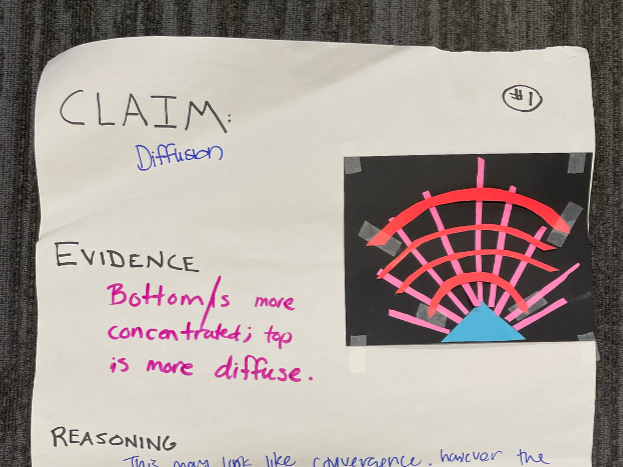
Debate Centered Instruction Teacher Fellowship Brings Student Voice to the Center
What happens when 34 educators across 15 high schools come together to put student voice at the center of learning? SVUDL’s Debate Centered Instruction Teacher Fellowship shows how debate can transform classrooms into spaces of confidence, collaboration, and deeper learning. Drawing from an informal focus group of more than 20 educators, learn how Teacher Fellows use debate to help students listen, speak, question, and discover that ideas matter.
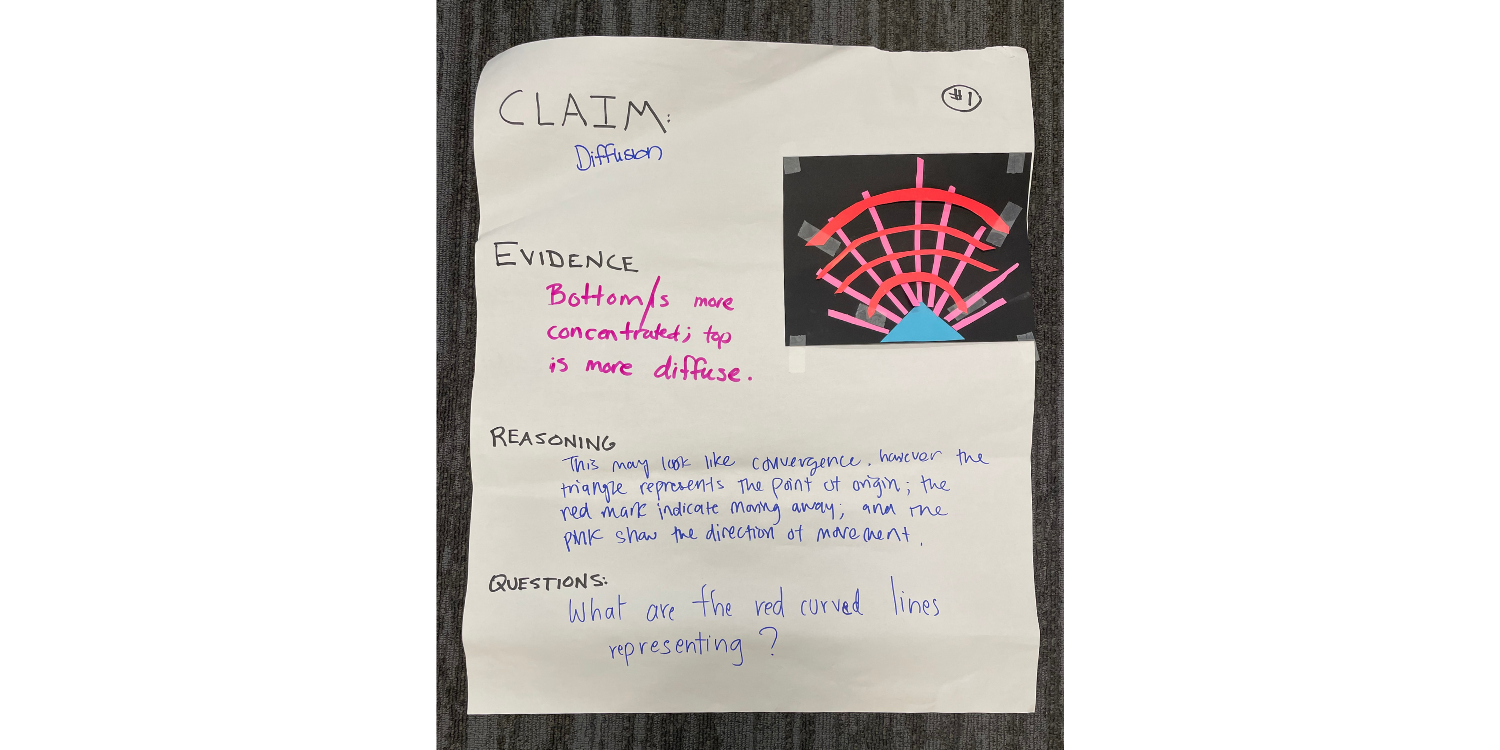
This year, the 2025–2026 SVUDL Debate Centered Instruction Teacher Fellowship brought together 34 Teacher Fellows from 15 high schools across 3 school districts—a powerful community of educators committed to transforming classroom learning through discussion, evidence, listening, and student voice.
The reflections highlighted here come from an informal focus group of more than 20 educators who participated in the Fellowship. The focus group was held at the San Jose Sobrato Center for Nonprofits on the evening of May 13, offering Fellows a chance to reflect together on what they learned, how their classrooms changed, and what the experience meant for them as educators.
Across subjects, grade levels, and school communities, Fellows explored how Debate Centered Instruction, or DCI, can help students do more than participate in class. It can help them think out loud, take intellectual risks, listen with purpose, defend ideas with evidence, and see themselves as people whose perspectives matter.
Throughout the Fellowship, teachers experimented with debate-based strategies in their own classrooms and reflected on what changed. One of the clearest themes was that DCI increases student participation—especially among students who do not always see themselves as speakers, leaders, or “debate kids.” Teachers described moments when students who typically stayed quiet began contributing because the activities gave them clear roles, concrete tasks, and low-stakes ways to enter the conversation.
Several Fellows noted that the strongest DCI moments did not begin with speaking. They began with listening. Teachers emphasized the importance of building classroom norms around listening to one another, taking turns, asking questions, and creating a comfortable foundation before students were expected to debate. When students felt prepared and supported, classrooms became louder in the best possible way: full of students chiming in, reacting to one another’s ideas, and continuing conversations even after class ended.
For many educators, the Fellowship also created a sense of professional connection that extended beyond any single classroom. As one teacher shared, “I've developed relationships with colleagues from across the district that I otherwise wouldn't have done, and I am grateful that I was able to have an impact on other fellow educators.” That sense of community mattered. Fellows were not simply learning a strategy; they were joining a network of educators committed to improving student outcomes together.
Teachers also saw that DCI works best when students are debating questions that feel authentic. When topics connected to real issues, lived experience, or meaningful academic questions, students were more invested. Fellows observed that students were not simply completing an assignment; they were taking positions, weighing evidence, and responding to the ideas of their peers. One teacher reflected that students began talking about real things and not just textbooks, making connections that might never appear in a traditional essay but came alive when students stood up and spoke from their own perspective.
Another major highlight of the fellowship was the way DCI shifted the role of the teacher. Many Fellows described doing less “spoonfeeding” and more facilitation. Instead of immediately telling students whether an answer was right or wrong, teachers encouraged students to find evidence, justify their reasoning, and compare stronger and weaker support. This shift required intentional planning on the front end, but teachers saw that the payoff was greater student independence on the back end.
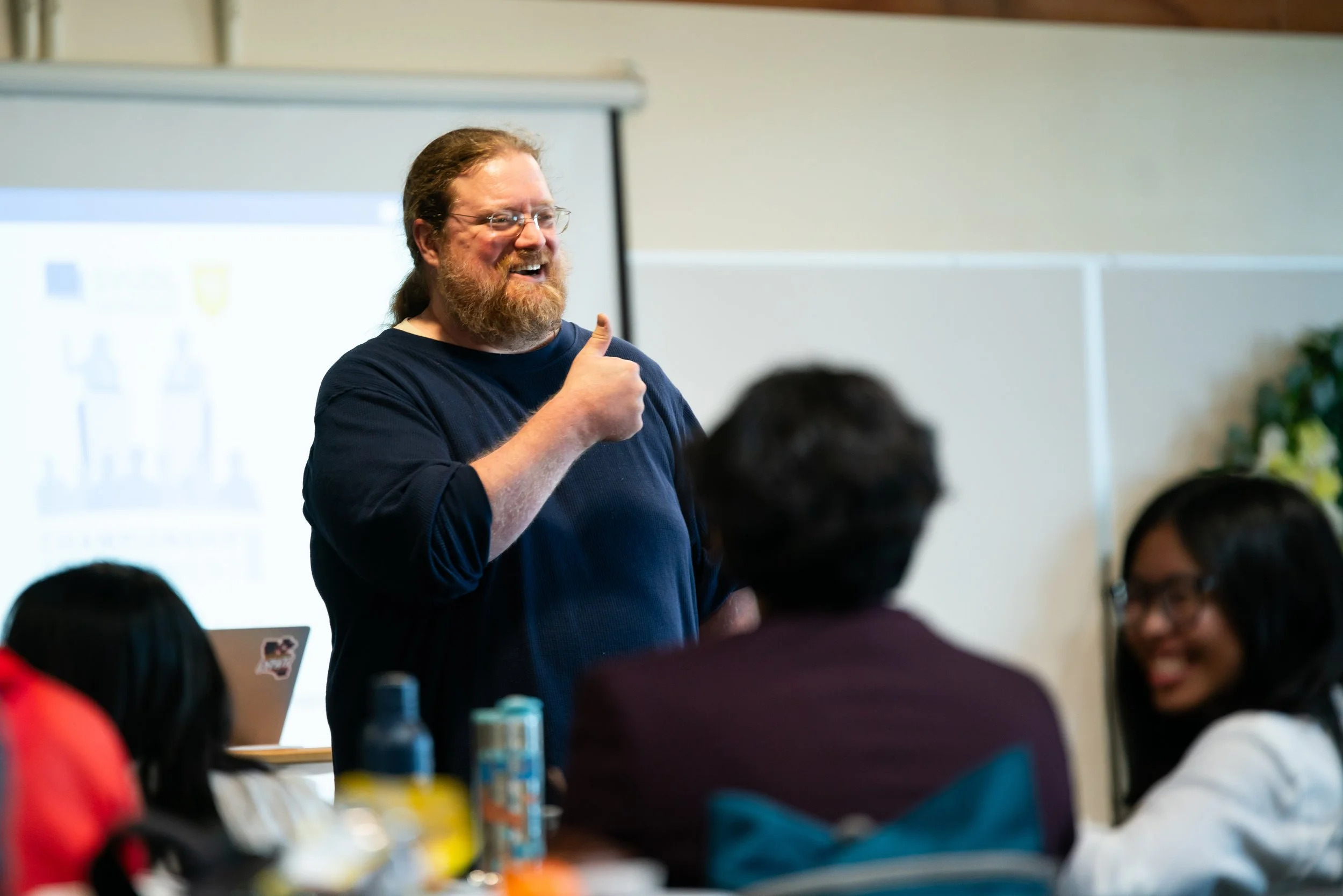
For some educators, DCI also changed how they understood student success. One teacher reflected on the value of mistakes, especially when students were making those mistakes for the right reasons—trying to reason, explain, and engage rather than simply arrive at an answer. Others noted that DCI helped them focus less on whether a lesson went perfectly and more on what students were actually practicing: speaking, listening, thinking critically, taking multiple perspectives, and building confidence.
The Fellowship also highlighted the power of coaching, modeling, and partnership. Teachers repeatedly named the value of having SVUDL support in the classroom—not just as a resource, but as a source of encouragement, collaboration, and accountability. One reflection captured the impact of that support: “Often I feel alone at my site when it comes to collaboration and improving student outcomes, and I wouldn't have half the success I've had this year if it wasn't for you and SVUDL.”
The experience exceeded initial expectations. One educator noted, “I never sign up for professional development workshops, but when I read about SVUDL’s offering last June (2025), I thought that I'd maybe learn something, get paid for my time and move on; but it turned out to be much more.” That sentiment speaks to one of the central accomplishments of the Fellowship: it was not a one-time professional development session, but a sustained learning community where teachers could take risks, build relationships, and see real changes in their practice.
Most importantly, this year’s Fellowship showed what becomes possible when students are trusted with meaningful intellectual work. Teachers saw students relying on one another, taking ownership of ideas, using evidence, questioning assumptions, and discovering the confidence to speak as experts in the room. In a time when young people need opportunities to practice civic dialogue, critical thinking, and respectful disagreement, DCI offers something essential: a classroom structure where students are not passive recipients of knowledge, but active participants in building it.
The 2025–2026 SVUDL Debate Centered Instruction Teacher Fellowship was more than a professional learning experience. It was a yearlong investment in classrooms where students’ voices grow stronger, teachers become facilitators of deeper thinking, and debate becomes a tool for belonging, rigor, and possibility. This year’s cohort demonstrated that when educators center discussion, evidence, and student voice, classrooms can become places where more students are heard—and where more students begin to believe that what they have to say matters.
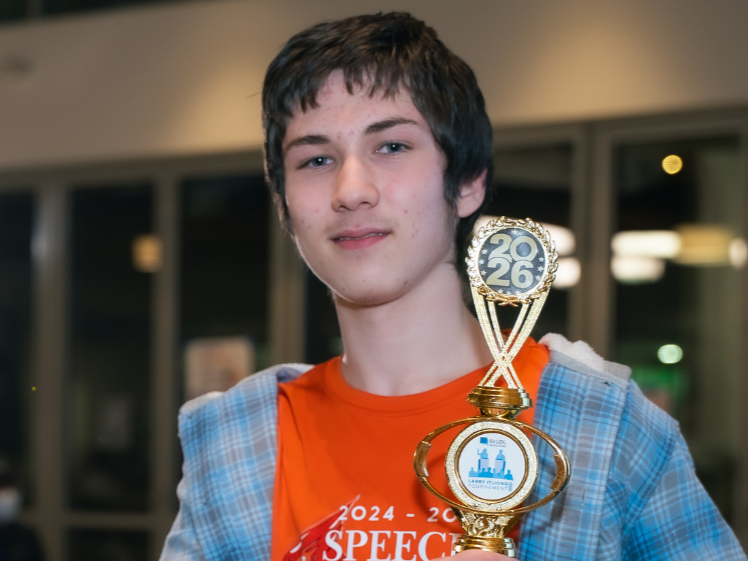
Congratulations to the 2026 John Dawson Leadership Award Winner: Ansor Abdulhamidov!
Named in honor of one of SVUDL’s co-founders, the John Dawson Leadership Award recognizes students who demonstrate exceptional leadership, integrity, and care for others within their Speech and Debate community. This year, Ansor Abdulhamidov of Mt. Pleasant High School embodies those values through his steady presence, strong sportsmanship, and dedication to helping his team grow. From supporting his peers through challenges to helping organize a student-led inter-school scrimmage, Ansor has made a meaningful impact on both his school and the broader SVUDL community. Learn more about Ansor's story here and why he was selected for the John Dawson Leadership Award.
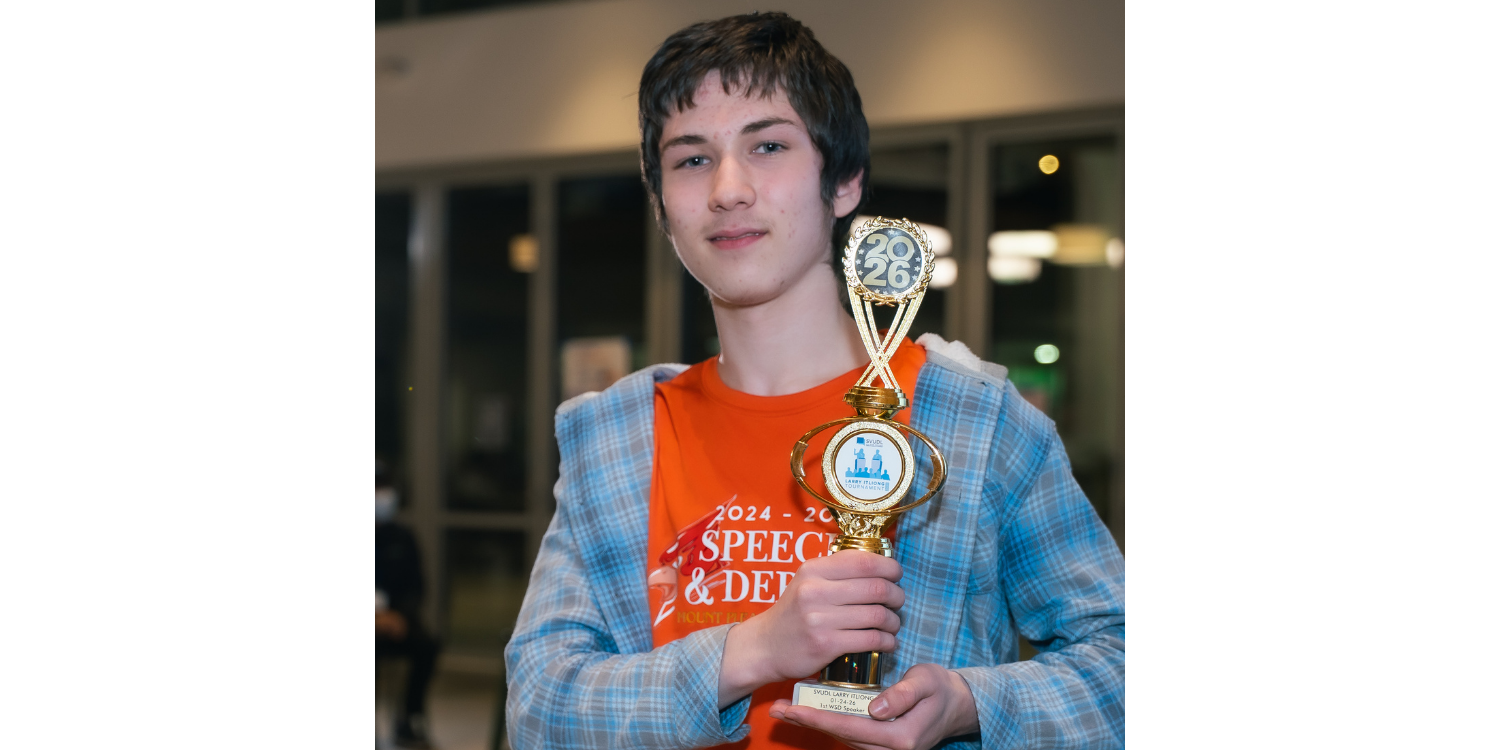
Named in honor of one of SVUDL’s co-founders, the John Dawson Leadership Award recognizes students who demonstrate exceptional leadership, commitment, and integrity within their Speech and Debate community. This year, Ansor Abdulhamidov of Mt. Pleasant High School stands out as a student who embodies these values both in and out of competition.
Beyond serving as Mt. Pleasant High School’s de facto team captain and SVUDL Student Leadership Council representative, Ansor is a steady and supportive presence for his peers. He consistently models strong sportsmanship, treating teammates and opponents with respect. Even after difficult or controversial losses, he maintains composure and positivity, setting a standard for others to follow.
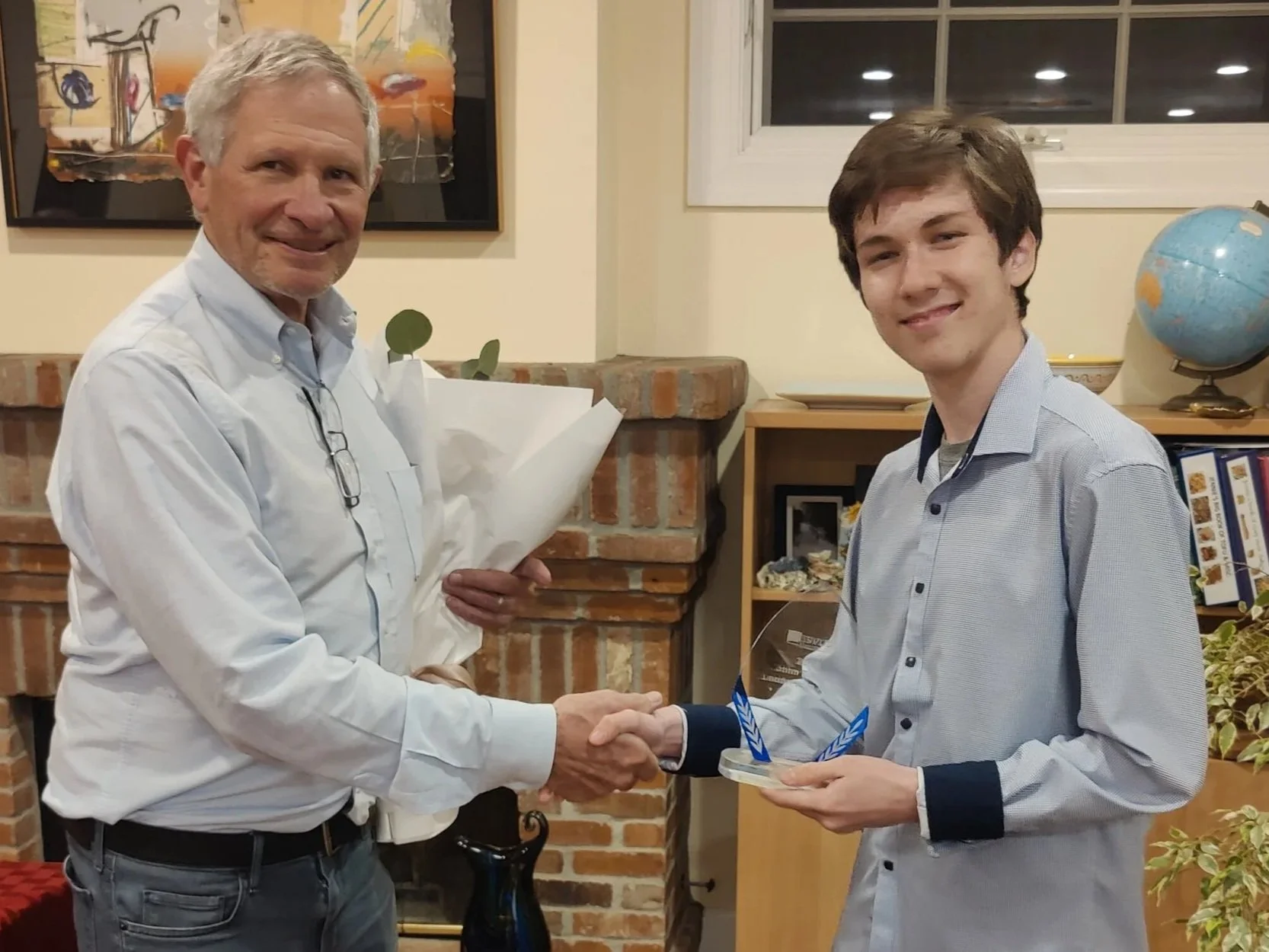
Ansor has also demonstrated leadership beyond the classroom and competition space. This semester, he collaborated with Caitlynn Balangue (William C. Overfelt High School) to organize an inter-school scrimmage that was largely student-led and student-organized. The event brought together students from multiple schools and created additional opportunities for practice, connection, and growth within the league.
Despite facing challenges as a team throughout the season, Ansor has remained committed to debate with a consistent willingness to learn and improve. His persistence has translated into personal competitive success, including earning 1st place speaker in World Schools Debate at the 2026 SVUDL Larry Itliong Tournament. More importantly, his attitude has helped sustain and uplift those around him.
For Ansor, debate is more than an extracurricular activity. He says, “What drives me to continue to be part of the Mt. Pleasant team is the desire to make change in my community…one of my goals is to popularize speech and debate at MP.” His dedication is evident not only in his performance, but in the way he shows up for his team every day. In addition to debate, he founded the UNICEF club at Mt. Pleasant High School, further demonstrating his commitment to leadership and community impact.
Ansor says that debate is important to him “because it helps people share their ideas fluently. I know many people who are smart, but are too shy to speak on stage or with confidence…Jobs and companies look for people who act confident in their skills, and confidence doesn't come naturally from anywhere else but debate.”
Ansor’s leadership is defined by consistency, humility, and care for others. He leads without seeking recognition, and his impact is felt across his team and the broader debate community. Congratulations to Ansor!
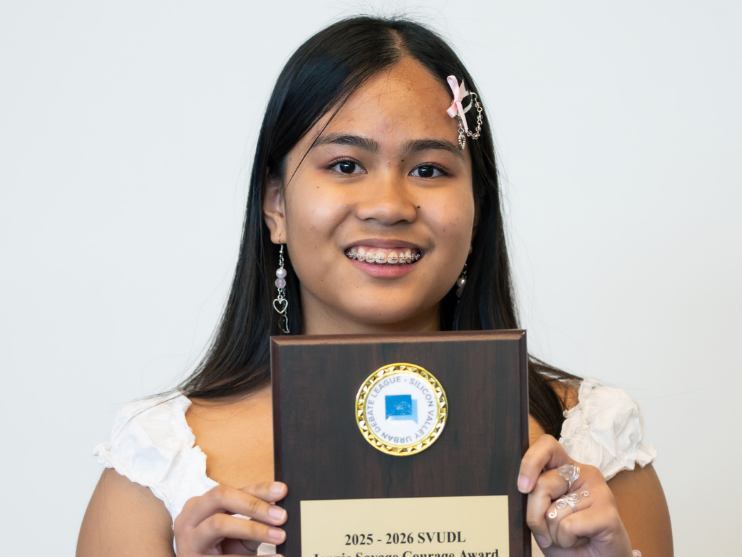
Congratulations to the 2026 Jennie Savage Courage Award Winner: Caitlynn Balangue!
Named in honor of one of SVUDL's co-founders, the Jennie Savage Courage Jennie Savage, the Jennie Savage Courage Award celebrates students who show resilience, courage, and a commitment to growth in the face of challenges. Caitlynn Balangue of William C. Overfelt High School is our 2026 Jennie Savage Courage Award winner, as she embodies that spirit through her persistence in debate, dedication to her team, and willingness to keep pushing herself forward. From overcoming early setbacks in competition to helping strengthen the Overfelt Speech and Debate community, Caitlynn's story reflects the heart of this award. Keep reading here to learn more about Caitlynn's story and why she was awarded the Jennie Savage Courage Award.
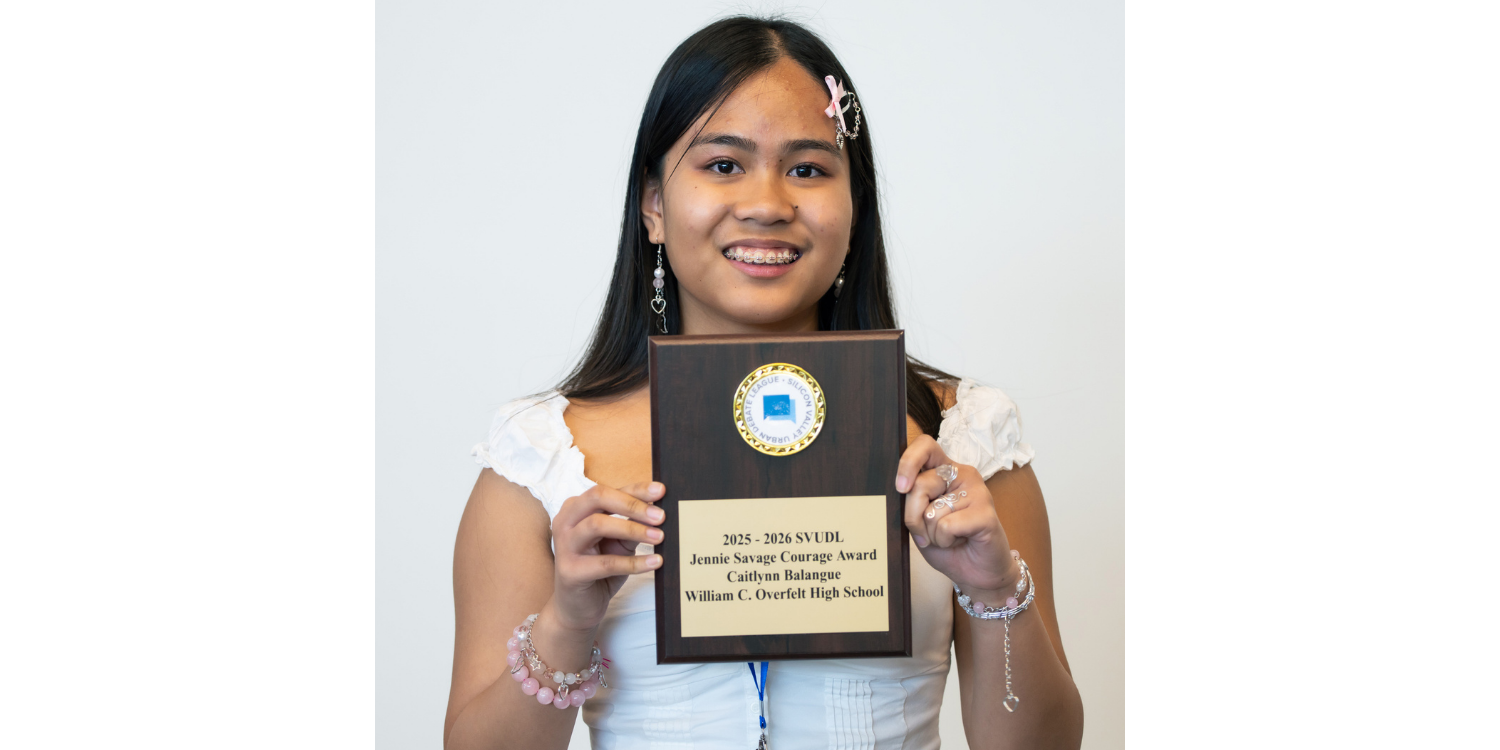
Named in honor of one of SVUDL’s co-founders, the Jennie Savage Courage Award recognizes students who demonstrate resilience and a commitment to growth in the face of challenges. This year, Caitlynn Balangue of William C. Overfelt High School exemplified these qualities through her leadership, persistence, and dedication to her team.
Anyone who knows Caitlynn knows that she brings energy and authenticity to every space she enters. She is outgoing, unafraid to be herself, and quick to build connections with teammates and opponents alike. That openness has translated into leadership, as she has become a central figure on the Overfelt Speech and Debate team both inside and outside of practice.
Now in her second year representing Overfelt High School on SVUDL’s Student Leadership Council, Caitlynn has taken initiative well beyond what is expected. At practices, she regularly shares updates about upcoming events without prompting, ensuring her team stays informed and engaged. Her leadership is not limited to communication, but extends into action.
Caitlynn has played a key role in rebuilding and expanding the Overfelt High School Speech and Debate program. She led recruitment efforts by completing club paperwork, creating materials for Club Rush, and representing the team across multiple days of outreach. She also launched and manages the team’s Instagram account, using creativity and humor to keep members engaged and informed. As a result of her efforts, the team has grown from approximately five regular members last year to as many as fifteen students attending practice each week.
Her leadership has also extended beyond her own school. This semester, she collaborated with Ansor Abdulhamidov of Mt. Pleasant High School to organize an inter-school scrimmage, creating additional opportunities for students across programs to practice and connect.
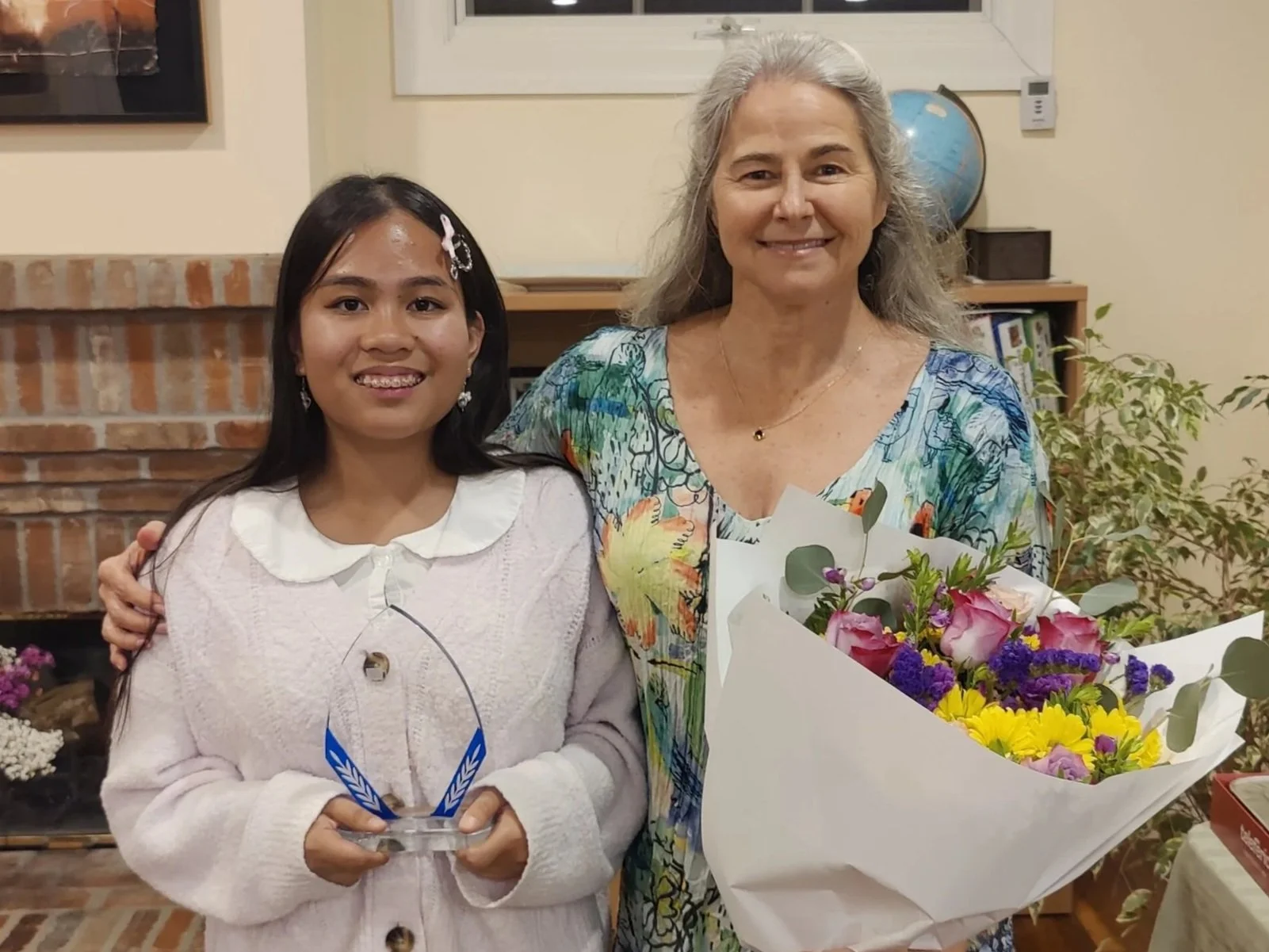
Caitlynn’s journey in debate is defined by persistence. In her first year, she faced challenges in competition and did not experience early competitive success. However, she continued to attend practices and tournaments with a positive attitude, demonstrating a level of commitment that has led to significant growth in her speaking and debating abilities. Today, she is recognized as one of the strongest debaters on her team.
For Caitlynn, debate represents more than competition. Her commitment to the activity is evident in the time and energy she dedicates to her team and her own development. Caitlynn says that Speech and Debate matters to her because “it's really enjoyable and makes me feel good…What drives me to be part of the Overfelt team is being able to be with my friends and like-minded people, working towards the same goal of improving our speaking skills.”
These skills will serve her well in the future: she hopes to attend college and has demonstrated the academic ability and drive to succeed. With continued support and access to resources, she is well positioned to reach her full potential.
Caitlynn Balangue’s story is one of resilience, initiative, and growth. She leads with authenticity, uplifts those around her, and continues to push herself forward despite obstacles. Congratulations to Caitlynn!