
SVUDL Welcome Gaganpreet Kaur to the Team!
Gaganpreet Kaur, a SVUDL Alum, joins the team as their Administrative and Program Coordinator. Click here to learn more about her background and journey with SVUDL.
Gaganpreet Kaur has been a part of the SVUDL family for 8 years now, starting off as a debater at Silver Creek High School. She stayed with SVUDL as an alum judge and later, assistant coach but now joins the team as its new Administrative and Program Coordinator.
For Gagan, this is an amazing opportunity where she gets to work with the same people she once looked up to. She elaborates on her experience by stating, “To me, it was a little surreal to be on the other side of things, where I'm the one giving pep talks, making sure everyone is okay, and coaching the students during practice. It's not everyday that you get to return to an organization that's served you and helped you succeed.”
Looking back, Gagan has been with SVUDL for quite some time and that has clearly impacted her during her formative years. “I used to be so soft spoken and never advocated for myself or others, but that quickly changed after I discovered debate. Being a debater really emphasizes the ability to articulate your ideas clearly, which has shaped the way I operate in any setting. I always tell people that I can't imagine going back to being the person I was before I joined SVUDL, since I don't know who that person is anymore,” she states.
SVUDL is more than just a nonprofit organization for Gagan. It's home to many of the folks she once considered to be her role models, but now she’s in the position of being the role model for the current students. She states, “I genuinely enjoy watching the students grow and become more comfortable when speaking out. I love when students come back to me and tell me that they had a great time or that their rounds went well. The joy that they get from Speech and Debate makes being their role model so rewarding.”
Gagan is now even more excited to be in this new role where she can support students from an administrative point of view. The one thing she is the most excited about is helping host her first tournament. She further explains that, “I know my first tournament in this role is going to be really special to me. That's when we get to see the students come out and compete. The post-round discussions show you how passionate the students are about what they're doing here. Not only that, it's a demonstration of work that everyone is willing to put in considering the judges, staff, and even students are taking time out of their weekend to participate in Speech and Debate.”
As a former debater, who debated with not only SVUDL, but at San Jose State University as well, Gagan has been in the debate space for a very long time. Her advice to current SVUDL students is “that any losses aren’t a reflection of who you are as a person. As someone who spent an entire year debating and lost every round that year, it made me think I was a failure and that I wasn’t doing good enough. However, I had to remind myself that I wasn’t debating to win rounds, I was debating to have fun and learn new things.”
Congratulations to Gaganpreet Kaur on joining SVUDL as their Administrative and Program Coordinator! She is excited to support students in this new capacity.

From Silence to Spark: How East Side Union High School District Teachers Are Using Debate to Ignite Student Voice
In early June, over 30 committed educators from the East Side Union High School District participated in an engaging two-day professional development seminar. The event, titled “Igniting Minds, Amplifying Voices,” highlighted the power of Debate-Centered Instruction (DCI) to transform classrooms into vibrant environments where students develop not just academic knowledge, but also critical thinking, communication, and leadership skills. Learn more here.
Earlier this June, more than 30 dedicated educators from the East Side Union High School District came together for a dynamic two-day professional development seminar hosted by the Silicon Valley Urban Debate League (SVUDL). The workshop, “Igniting Minds, Amplifying Voices,” showcased how Debate-Centered Instruction (DCI) can transform any classroom into a lively space where students don’t just learn content — they learn to think, speak, and lead.
Over the course of eight hands-on sessions, teachers stepped into their students’ shoes, experiencing activities that blend debate, argumentation, and collaborative inquiry into daily lessons across disciplines. In a math session, teachers tackled the age-old sports argument: Who is the greatest NBA player of all time? by analyzing player stats and constructing data-driven claims.
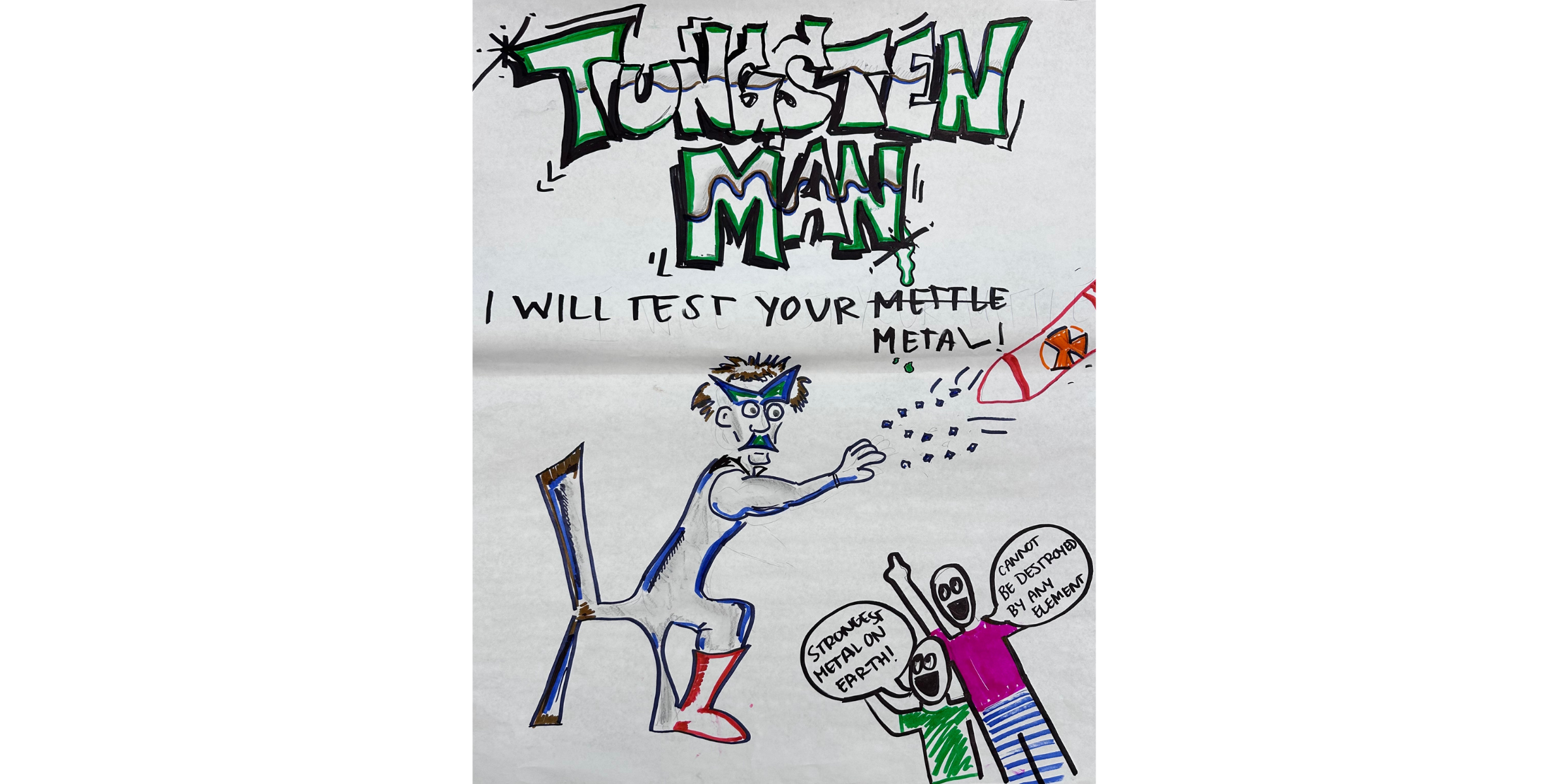
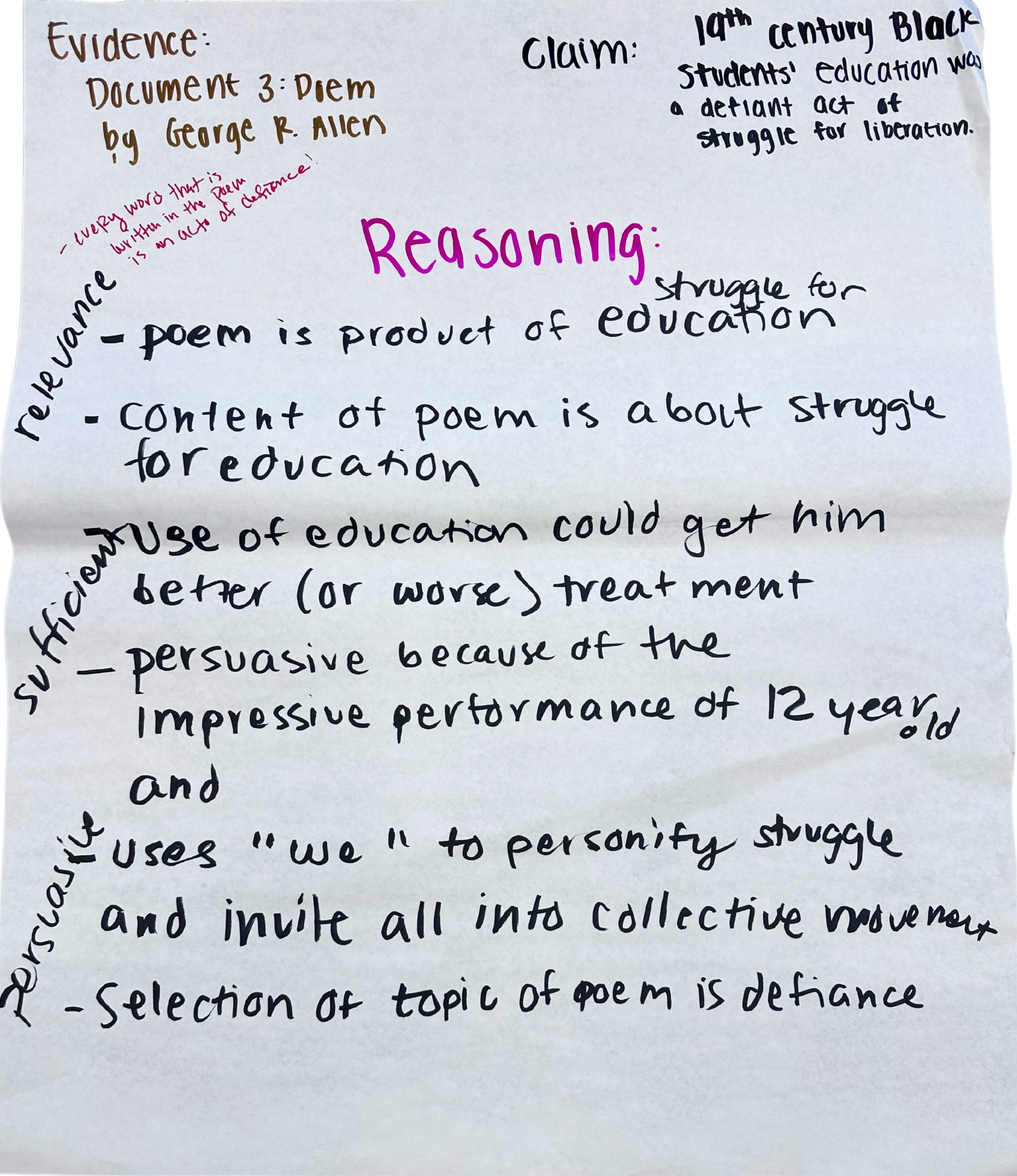
In English, participants turned Edgar Allan Poe’s The Tell-Tale Heart into a mock trial, weighing evidence and testimony to decide if the narrator was guilty of murder or insane. Science teachers got creative with the Bond Superhero Debate, designing superheroes from ionic, covalent, metallic, or network bonds to compare material properties in a fun, competitive format. In Social Science, a Four Corners discussion on “Fugitive Pedagogy” invited teachers to examine historical documents and grapple with the legacy of education as resistance in Black history.
These activities are more than clever hooks — they’re proven methods to deepen student engagement and promote the habits of mind essential for democracy: making claims, analyzing evidence, asking questions, and defending ideas in civil discourse. As one teacher wrote, “Debate-centered planning can be used in all subject areas to support students at every level.”
Teachers were overwhelmingly enthusiastic about the experience. Ragiah El Shantaly, a science teacher at Evergreen High School, called it “one of the best PDs I have ever attended.” Allison Liang from Silver Creek High School appreciated that the training was “engaging with examples and modeling.” Joe Lovato, a veteran English teacher at Mount Pleasant High School, noted, “I’m very satisfied with this experience and appreciate the scope of the workshop.” And Jan Gliozzo from Evergreen Valley High School summed it up simply: “Debate is engaging and a great way to have students dive deep and analyze content.”
By the end of the two days, teachers left not just with new lesson ideas, but with a renewed commitment to helping students find and use their voices — a mission at the heart of SVUDL’s work. As classrooms reopen in the fall, these educators will carry forward strategies to ensure students do more than memorize facts: they will challenge ideas, listen to different viewpoints, and build the confidence to advocate for themselves and their communities.
SVUDL is proud to stand alongside the East Side Union High School District’s teachers as they light the spark of debate and inquiry in thousands of young minds — because when students speak up, democracy grows stronger.
English Language Learners and Debate Centered Instruction
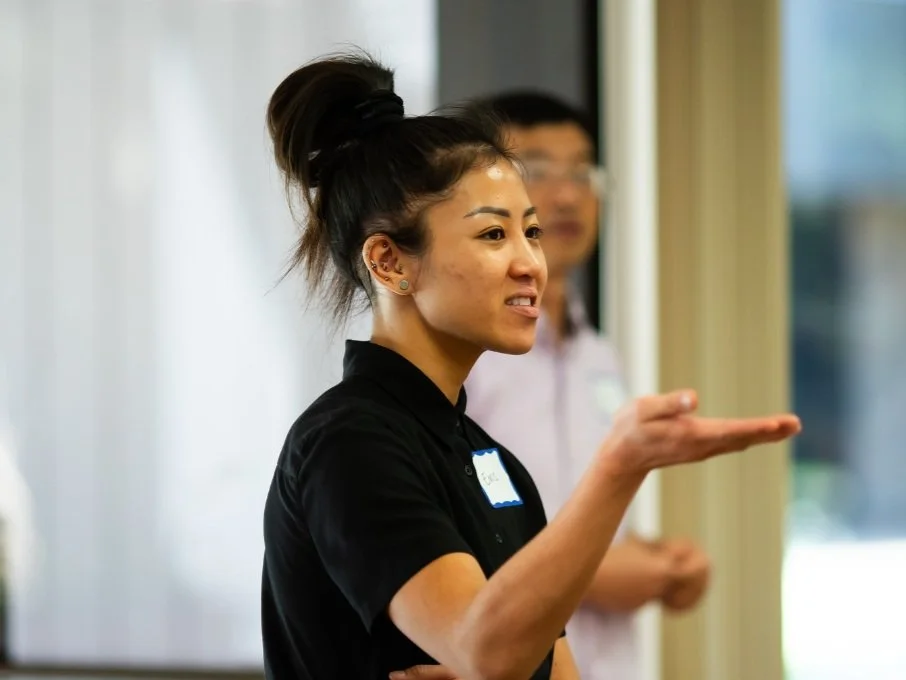
Yerba Buena High School teacher Emily La has found Debate Centered Instruction invaluable in her classroom where she teaches both English and English for Multilingual Learners. In a school where approximately one quarter of the students are English Language Learners, her experience with DCI gives a particularly interesting glimpse into the power of DCI in the classroom. Learn more here.
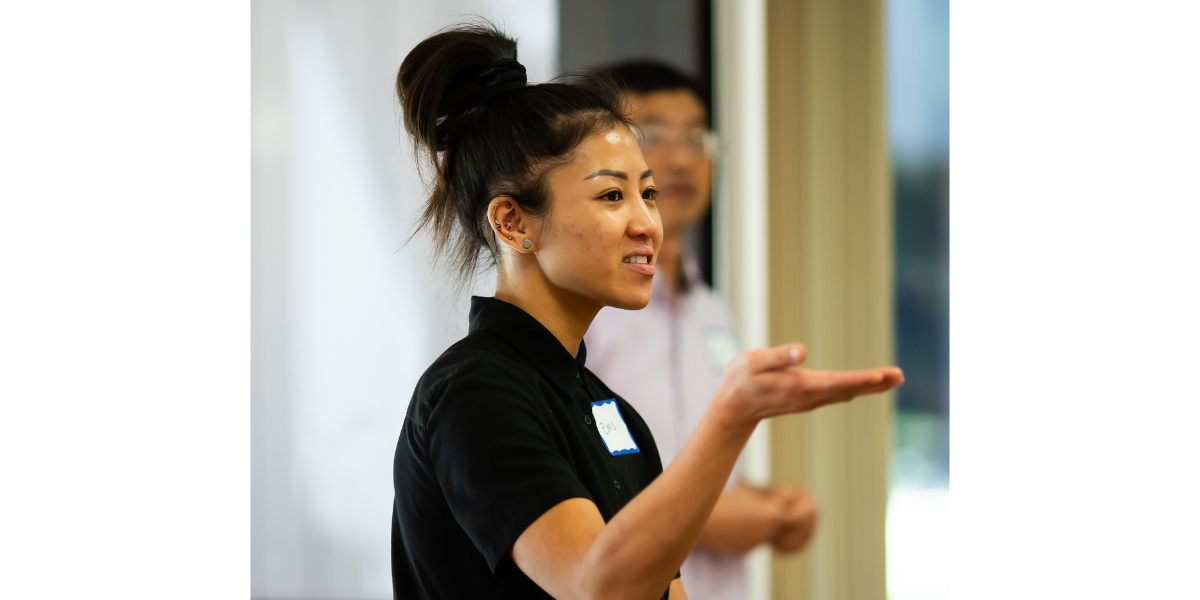
Emily La has taught English, English for Multilingual Learners, and AP Seminar at Yerba Buena High School for ten years. English Language Learners make up almost 25% of her school’s population.
“Practically all aspects of Debate Centered Instruction (DCI) intersect with the subjects and courses that I teach. When it comes to studying English Language and Literature in the classroom, people often picture students reading and writing. While these forms of communication are crucial to students’ development of the English subject, equally as important are listening and speaking,” she said.
“When considering students who are English Language Learners and multilingual learners, it is imperative that they have opportunities to actively practice speaking and listening in English as often as possible. I see DCI as a vehicle to provide such opportunities,” she explained. “I started working with SVUDL as a Teacher Coach a few years ago and saw the impact of Speech and Debate on students’ lives. I found it unfortunate, though, that the number of students participating on our Speech and Debate team was so small. I decided to participate in SVUDL’s DCI Fellowship to learn about how I could bring Speech and Debate into the classroom.”
She recognized that most students probably knew very little about this sport, so introducing it in the classroom would allow for interested students to join the team after their exposure. Four students have joined the team as a result of participating in a DCI activity in her classroom.
Emily has seen a variety of positive outcomes. She believes that DCI helps students work with others, such as when they help a teammate construct an argument for a speech. She sees how it helps students think critically like questioning or rebutting another classmate’s argument. In addition, she knows it helps students communicate effectively while delivering a speech. DCI often activities require on-the-spot thinking, and as a result, students practice multiple skills in front of their peers in real time.
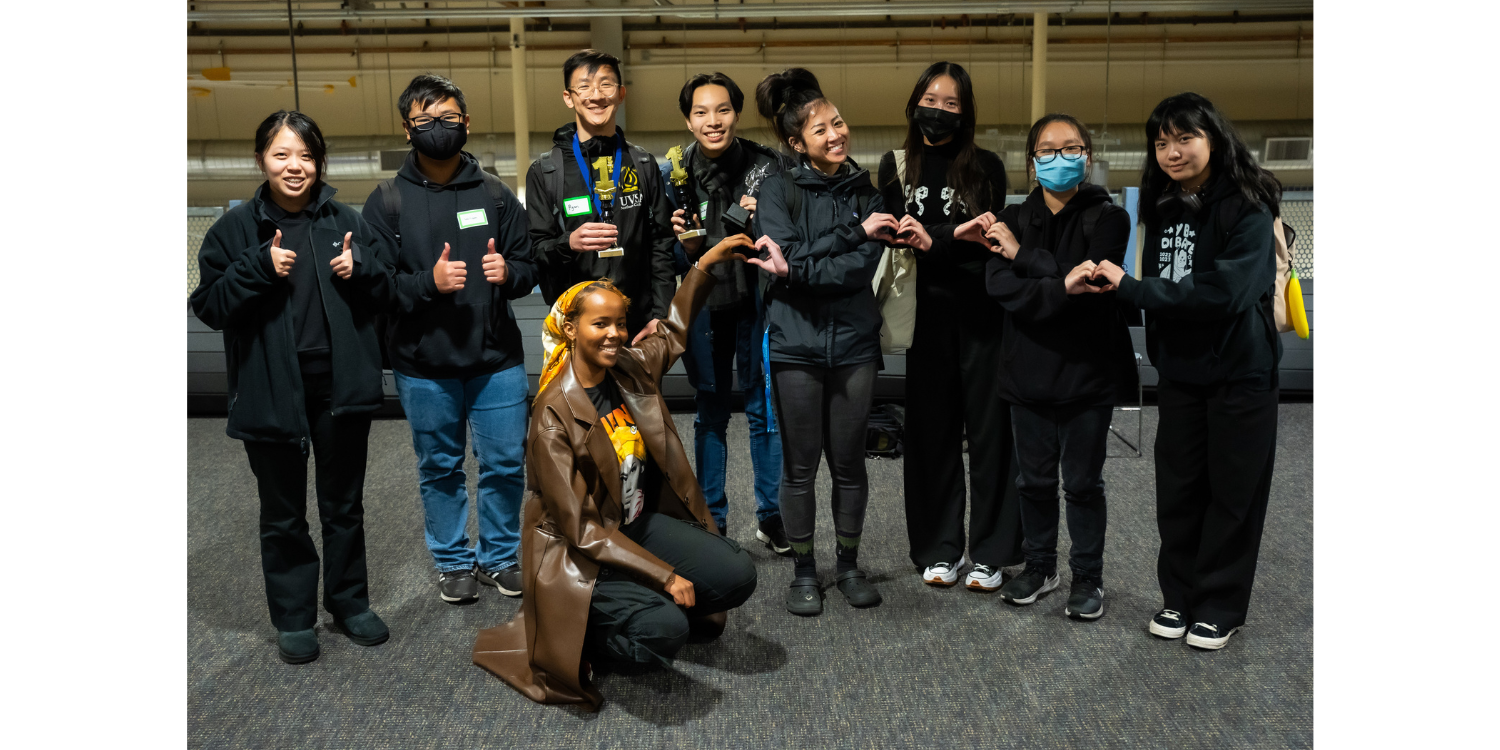
“When it comes to a DCI debate, it brings me great joy when students clap their hands or smile in awe after hearing a speech or argument from their classmate. Not only does this build a sense of community in the classroom, but it also builds confidence in students, particularly the ones who might not be aware of the skills that they possess,” she shared.
Overall, students seem to genuinely like DCI in the classroom. “While I might hear words of resistance from students, they are quite rare. On the contrary, students are often inclined to try out an activity that deviates from what typically happens in a classroom. I have had students ask me at the conclusion of an activity, ‘Can we do this again?’ or ‘When are we going to do this again?’” she emphasized.
DCI benefits reach far and wide into many aspects of learning. “I had a student who shared with me that he had had trouble understanding claim, evidence, and reasoning when it was first introduced to him in his history class, but after we went over the same concept in my class and he participated in our class debate, it made way more sense to him.”
Emily hopes other teachers will consider bringing DCI to their classrooms. “While a DCI activity may require a fair amount of preparation and there may be feelings of anxiety or uncertainty around implementation – which is certainly how I have felt – the outcome outweighs in the end. I have yet to regret trying a DCI activity in my classroom. I get to witness students stepping out of their comfort zone, smiling as they come up with a good argument, or cheering and encouraging their classmates to share their ideas,” she recalled.
SVUDL Welcomes Jennifer Min to the Board of Directors
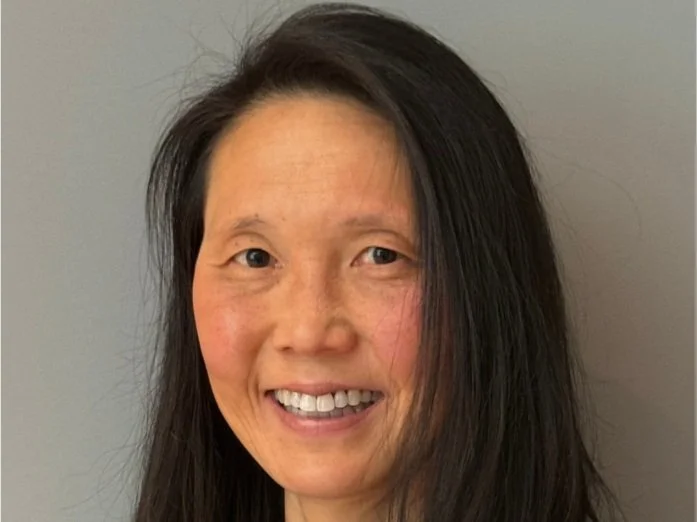
We are thrilled to announce that Jennifer Min has joined SVUDL's Board of Directors, bringing with her an extraordinary combination of educational expertise, business acumen, and a strong commitment to empowering students through Speech and Debate. Click here to learn more!
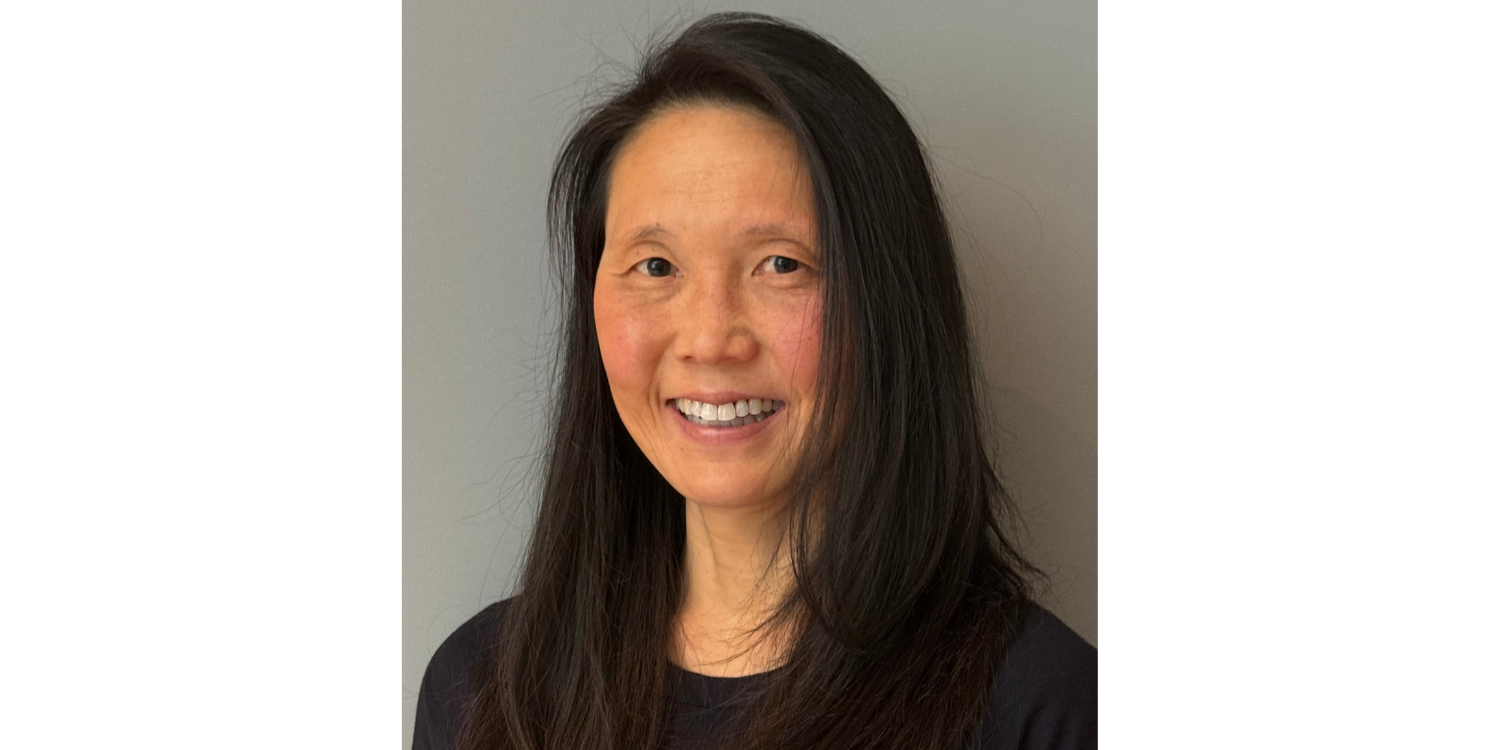
Jennifer Min's enthusiasm for SVUDL stems from witnessing firsthand the transformative power of education. She began in the business world as a financial analyst at Morgan Stanley and strategy consultant at Bain & Company. Driven by a deep interest in education, she transitioned to become a classroom teacher and school leader.
For over 20 years, Jennifer taught high school mathematics and economics. As a founding member of the Upper School of The Nueva School in San Mateo and Hillsborough, she helped establish the school's foundation by recruiting and mentoring new teachers, designing academic programs and policies, and supporting advisory and co-curricular programs.
As an educator, Jennifer has observed students in Speech and Debate classes and tournaments year after year, witnessing their remarkable growth as debaters, students, and community members. "I am very excited about DCI (Debate Centered Instruction) —both for students and teachers," she explains. "There is great potential to reach many more students and to energize teachers in new and creative ways."
Jennifer brings a strategic perspective and operational business background as well as grounded experience as a classroom teacher and school administrator.
She brings a wealth of community experience, having served in a variety of roles across multiple organizations: Silicon Valley Venture Fund (SV2), StreetCode Academy, Eastside College Prep, Children’s Health Council, SMART (Schools, Mentoring and Resource Team), and Keys School.
Jennifer is honored to join SVUDL’s Board of Directors, and support SVUDL’s mission to help students achieve their fullest potential by finding their voices, thinking critically, and leading with purpose and empathy. Jennifer holds a B.S. from Cornell University and an M.B.A. from Harvard Business School.
Please join us in welcoming Jennifer Min to the SVUDL Board of Directors.
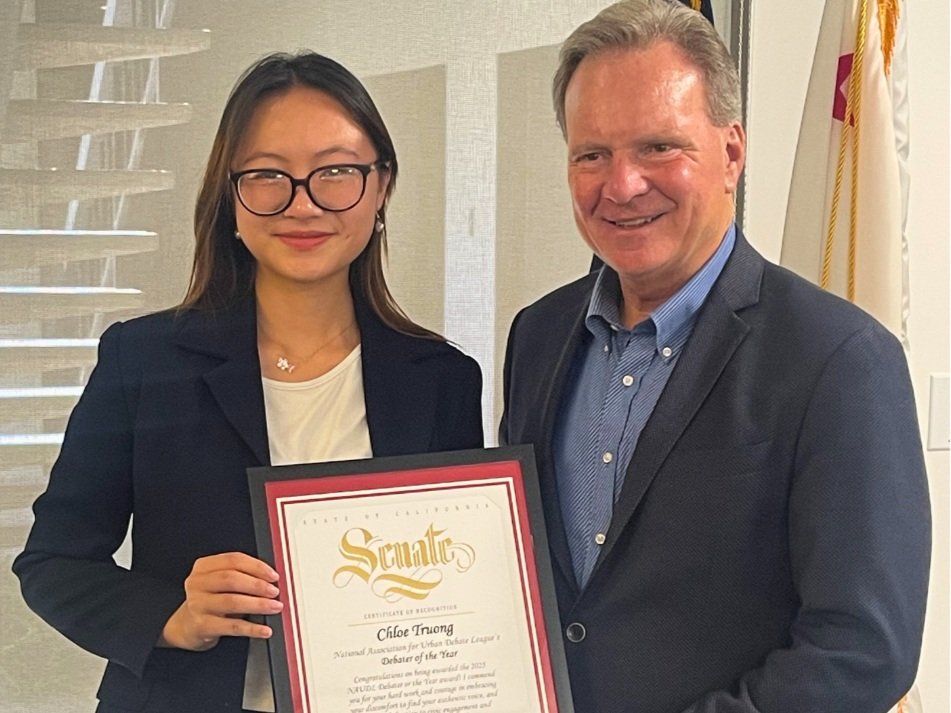
Senator Cortese Honors SVUDL Student Chloe Truong as 2025 NAUDL Debater of the Year
California State Senator Dave Cortese recently presented a special Senate Commendation to Chloe Truong, a SVUDL student who was named 2025 Debater of the Year by the National Association for Urban Debate Leagues. The recognition celebrates not only Chloe's competitive achievements but her inspiring journey of finding her voice through Speech and Debate. Keep reading to learn more about her recognition by Senator Cortese.
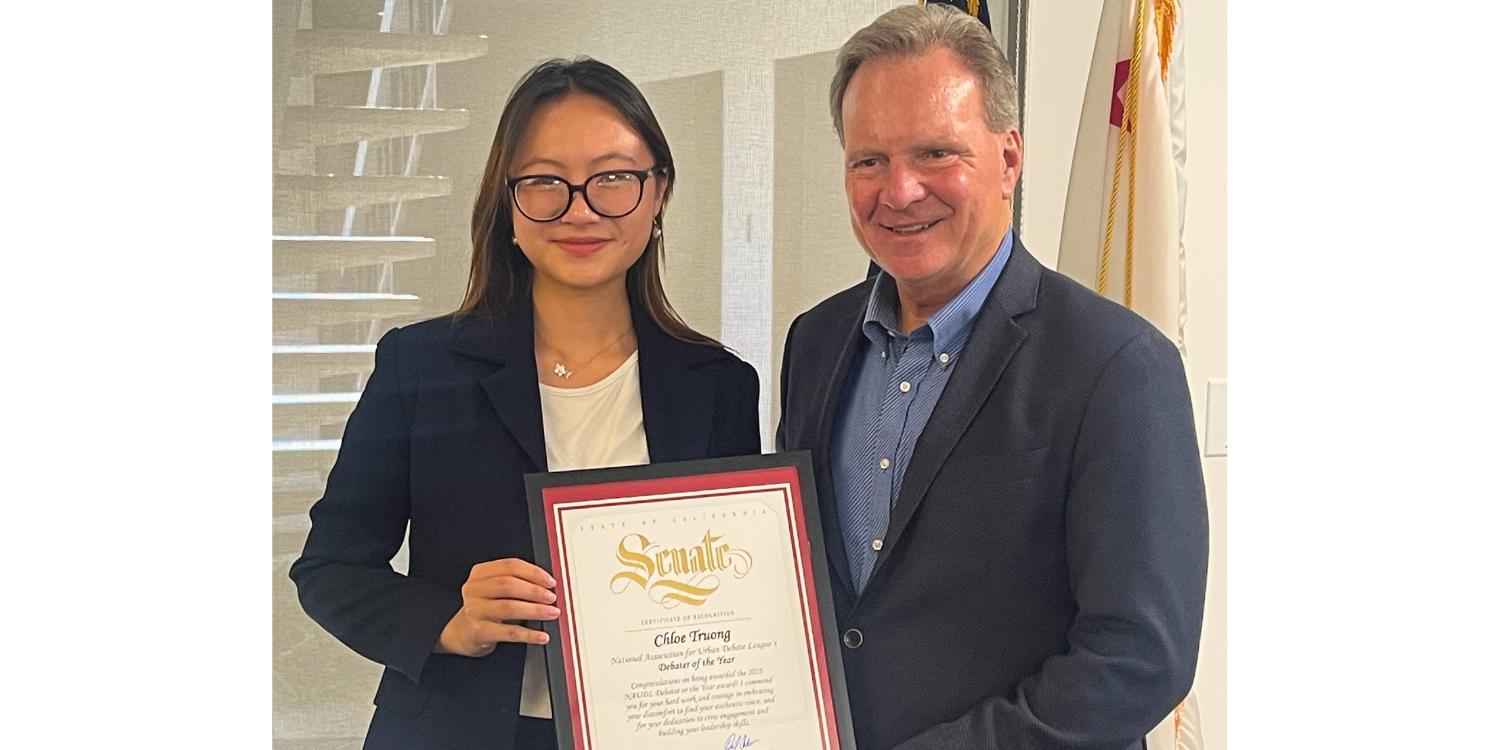
Chloe's path to success wasn't without challenges. She candidly shared how cultural expectations initially discouraged self-expression, creating barriers she had to navigate. Rather than being deterred, Chloe transformed these obstacles into opportunities for growth. Embracing discomfort became her unexpected superpower – enabling her to overcome imposter syndrome and develop the confidence to express her opinions boldly.
Through consistent dedication and remarkable resilience, Chloe has won numerous debate competitions while inspiring others with her authentic voice and civic engagement.
Senator Dave Cortese, who represents State Senate District 15 covering much of Santa Clara County, has dedicated nearly three decades to public service. Senator Cortese has championed causes from addressing homelessness and climate change to expanding public transit and fighting for immigrant rights. His commitment to recognizing young leaders like Chloe reflects his ongoing investment in the next generation.
When Chloe met Senator Cortese in person to receive her commendation, the experience proved transformative. "It was a really insightful experience visiting State Senator Cortese," she reflected. "I learned a lot about his personal experience getting involved with politics, and how fulfilling it can be."
The meeting sparked new possibilities for Chloe's future. "Speaking with him inspires me to perhaps one day strive for a career in public service," she shared.
Senator Cortese offered valuable mentorship advice about the importance of community and guidance, reinforcing lessons Chloe has already begun to learn through Speech and Debate. "Debate changed my life in ways I couldn't begin to imagine—it gave me a voice, a sense of community, and a home," she noted.
For Chloe, this honor represents more than personal success. "This recognition is not only about my debate achievements, but the result and accumulation of support from my coaches, parents, and the SVUDL staff," she emphasized, highlighting the collaborative nature of her journey.
Her story exemplifies how Speech and Debate can serve as powerful tools for personal transformation, community building, and preparing young people for civic leadership—values that both she and Senator Cortese champion in their respective roles.
Congratulations to Chloe Truong on this well-deserved recognition, and thank you to Senator Cortese for supporting our young leaders!

“O Romeo, Romeo, Wherefore Art Thou Romeo?”
“O Romeo, Romeo, wherefore art thou Romeo?” Shakespeare has long been in the classroom, but infused with Debate Centered Instruction, it takes on new meaning and significant impact. Keep reading to learn how East Palo Alto Academy teacher Christina Dobbins brought DCI and Shakespeare into her classroom and see how well it worked. She discusses students’ reactions and makes the case for why more teachers should consider bringing this approach into their classrooms.

Christina Dobbins, a SVUDL Debate Centered Instruction (DCI) Fellow and English teacher at East Palo Alto Academy, has discovered the powerful impact of DCI in her classroom. With six years of teaching experience—three at East Palo Alto Academy, a small school of approximately 300 students— she has integrated DCI methodologies into her everyday teaching to enhance her students' core English skills.
"What I have appreciated most about DCI activities is that they naturally help students develop critical thinking skills," Christina explains. "Additionally, these activities help students see the value of collaboration, learn how to assess various points of view, and gain confidence in speaking."
Christina was initially introduced to DCI through a colleague who had been implementing the approach in his own classroom and enthusiastically shared its benefits. Though she had no previous experience with Speech or Debate in her personal and professional background, she was particularly drawn to DCI's potential to build students' speaking confidence.
Her journey with DCI began when SVUDL Senior Program Specialist Kwodwo Moore helped her refine a presentation activity. Kwodwo and SVUDL Director of Programming Dr. Robert Burns visited her classroom to help facilitate the activity.
"This was such a positive experience that I decided to sign up for the cohort so that I could incorporate more DCI activities into my classroom," she recalls. "Integrating DCI has challenged me to reflect on how to create learning experiences that give students the ability to engage in the learning process in a meaningful and authentic way. Problem-solving, articulating ideas, and collaboration provide valuable skill sets that apply to life beyond high school. DCI activities naturally foster these skills."
She has successfully implemented specific DCI strategies in her curriculum, particularly around self-growth and Shakespeare studies. "I have run two debates in my class: one examining the value of conflict in self-growth and another for Romeo & Juliet arguing who was most responsible for the tragedy," she shares. "Both lessons were extremely positive experiences because students collaborated, used concrete evidence to develop arguments, and engaged in critical thinking throughout the debates."
Her debate structure involves an individual planning phase where students organize their ideas and evidence, followed by the group debate itself. For these activities, Dr. Burns and Kwodwo Moore provided organizing templates, advice, and facilitation support. "In both debates, students were highly engaged and collaborated effectively to prepare and argue their cases," she notes.
The impact of DCI in her classroom has been substantial. "I have seen a deeper understanding of content, more confidence in public speaking, and authentic collaboration among students," she reports. "Practicing how to develop a stance with supporting evidence and assessing other perspectives is such a valuable life skill. This work gives students the opportunity to develop these abilities."
She has also observed positive emotional responses from her students: "When we ran the debates, students were initially nervous but proud of themselves by the end. As a teacher, I loved seeing how engaged they were and how effectively they worked together both in preparation and during the debates."
Christina acknowledges that implementing DCI comes with challenges. "Running new activities in class can be difficult because I don't know what to expect, and developing new lessons takes time," she admits. "However, SVUDL is an excellent resource, providing planning assistance and support for both developing and running new activities."
For teachers considering DCI, she offers encouragement: "I highly recommend trying DCI. It's amazing to see how students engage with each other and with ideas through this work. SVUDL is very supportive and will help you prepare and lead new activities. Also, you don't need to implement everything at once—I've found it helpful to start with small changes and related activities and build from there."
She also advocates for DCI adoption at all levels of school and district administrative leadership: "DCI provides access to developing many important skills that will benefit students throughout their lives, including critical thinking, understanding different perspectives, presenting arguments effectively, collaboration, and public speaking."
For Christina, the alignment between DCI and English education standards is clear. "The standards in English are reading, writing, speaking, and listening. DCI activities help students develop their skills in all these areas," she concludes.

My Voice is a Platform
High school senior Ryan Nguyen credits SVUDL with giving him the opportunity to learn that his voice is a platform. “The community of receptive coaches, staff members, volunteers, and fellow debaters fostered a space where I could speak without fear of being discriminated against or silenced,” he reflected. Keep reading to learn how Speech and Debate further developed his capacity for empathy and how it shaped his aspiration to become an educator.
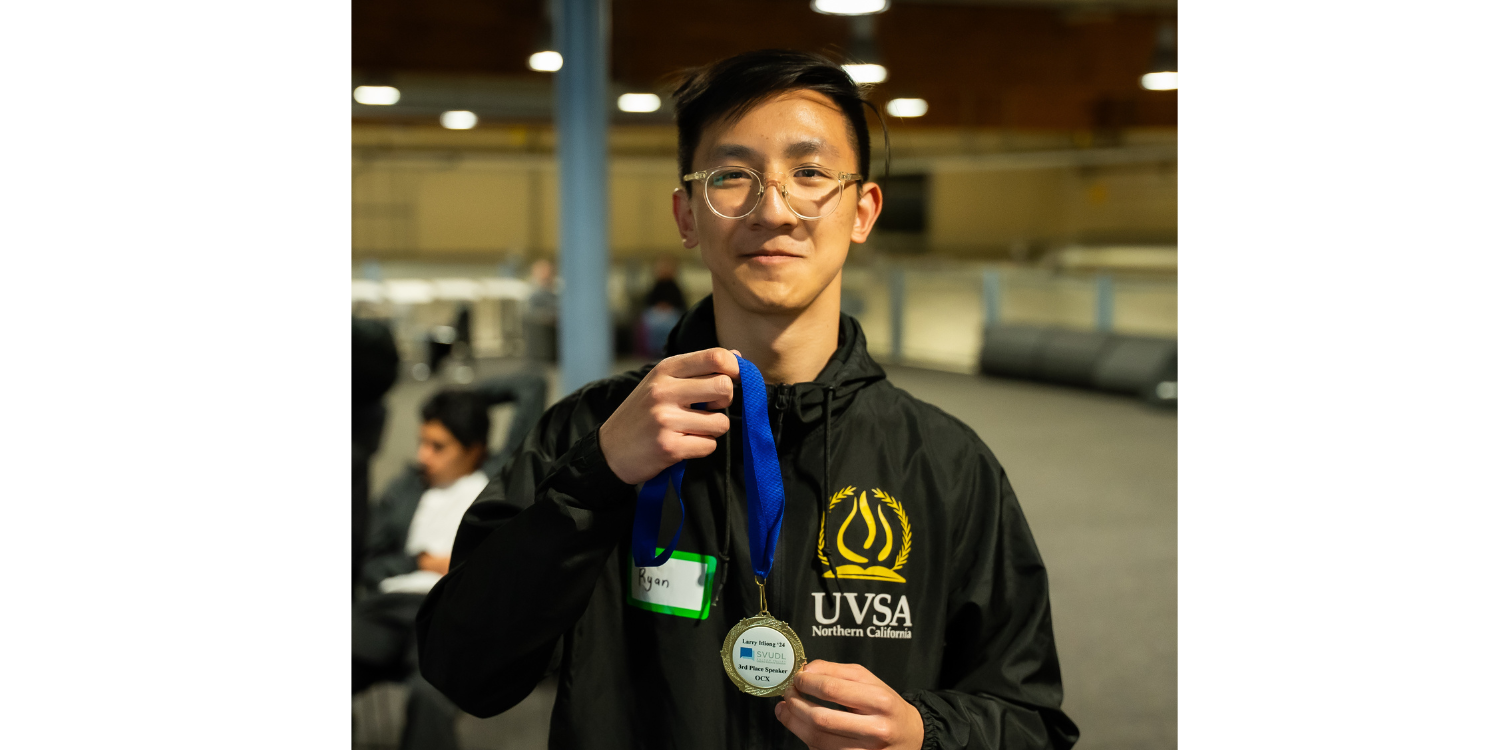
This year's John Dawson Leadership Award recipient is Ryan Nguyen, a Yerba Buena High School senior whose journey exemplifies the transformative power of Speech and Debate. The prestigious award honors students who embody leadership in the spirit of SVUDL Co-Founder John Dawson's vision of this organization serving as a training ground for future leaders.
Ryan's relationship with SVUDL began almost by chance during his freshman year. "I heard there would be snacks, and debate club was the first club that I ever tried at school," he recalled. What started as a casual interest quickly evolved into a passionate pursuit, with Ryan attending his first tournament—the SVUDL Sojourner Truth Invitational in 2021.
For Ryan, SVUDL provided more than just debate skills; it offered a platform where he could discover and amplify his authentic voice. "The most important tool that enabled me to leverage my voice was the community of receptive coaches, staff members, volunteers, and fellow debaters who fostered a space where I can speak without fear of being discriminated against or silenced," he explains. "This access to freely voice my opinions allowed me to explore and understand my own perspectives and subjectivities."
Ryan appreciates the support SVUDL has offered during his journey: "SVUDL has continually invested in my growth through constant coaching from seasoned debaters, funding national tournament entry fees, travel costs, and debate camp."
One of Ryan's most cherished memories comes from his participation in his first national debate championship - the Urban Debate National Championship in 2023. “I bonded with teachers, coaches, and teammates while exploring Dallas and trying barbecue for the first time! These experiences connected me with prominent figures in the debate world which is a more connected and tightly knit community than I realized."
As he approaches graduation, Ryan has been navigating the college application process, which he candidly admits has been one of the most stressful times in his entire life. He applied to multiple universities, received many acceptances and has recently decided to attend UC Berkeley this fall.
SVUDL has played a crucial role in Ryan's college application journey: "No matter where I was in my application process, I always found that debate and SVUDL were topics I could rely on and talk comfortably about in a variety of ways." He incorporated his debate experiences into all his essays, dedicating one entirely to his experience with SVUDL.
SVUDL has significantly shaped Ryan's career aspirations. Through the organization, he discovered the diverse professional paths connected to Speech and Debate—from law and politics to academia and business. This exposure, along with networking events, have inspired Ryan to pursue a career in education.
"I've seen the role that education has in shaping subjectivities and inspiring people to be well-researched, educated, and confident," he shares, reflecting on how his experiences have clarified his professional goals.
Perhaps most significantly, SVUDL has transformed Ryan as a person. "If there is one core tenet of my life I attribute to SVUDL, it is empathy," he states. His involvement with debate and the SVUDL community has made him "a more loving and compassionate person," continuously exposing him to diverse perspectives that shape how he interacts with the world.
Ryan specifically mentions being inspired by Dr. Burns, SVUDL's Director of Programming, whose compassion, joy, and "inhuman level of patience" have become qualities Ryan strives to emulate in his own life.
As Ryan prepares for the next chapter of his journey, he carries with him the gifts of voice, opportunity, and empathy—all part of the legacy of John Dawson's vision for developing future leaders.
“Leadership, to me, is not about being the most knowledgeable instructor, commanding the most respect from the greatest number of people, or developing the best curriculum; it is about fighting right alongside those I serve as peers and comrades,” reflected Ryan.
The Power of Policy Debate
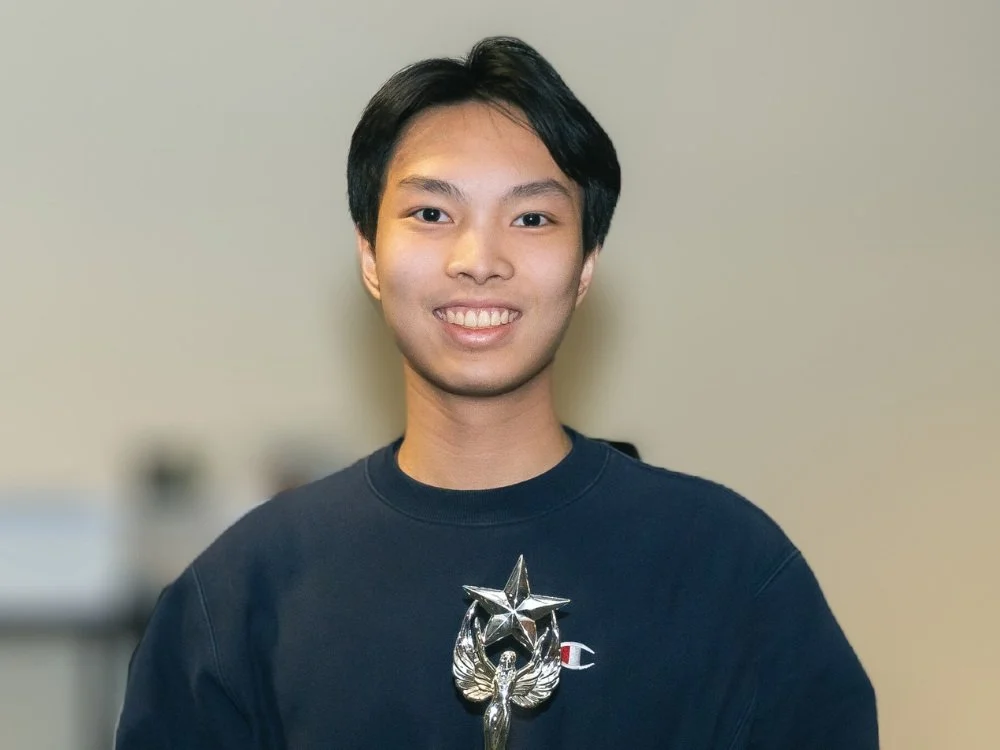
Having immigrated to the U.S. at nine, SVUDL student Vu Quang never felt that experiences like his were part of the history and curriculum taught in schools. This changed when he discovered critical literature in Policy Debate. “I have been inspired to delve deeper into the works of other activists and scholars to better understand the lived experience of myself and those around me. Studying Asian American Studies in college would not only allow me to further my interest and passion but also contribute to the growing body of counternarratives that were so empowering to me,” he said. Keep reading to learn how the thread of Policy Debate wove through all four years of Vu’s SVUDL experience and continues to empower him today as he heads to Stanford University this fall.
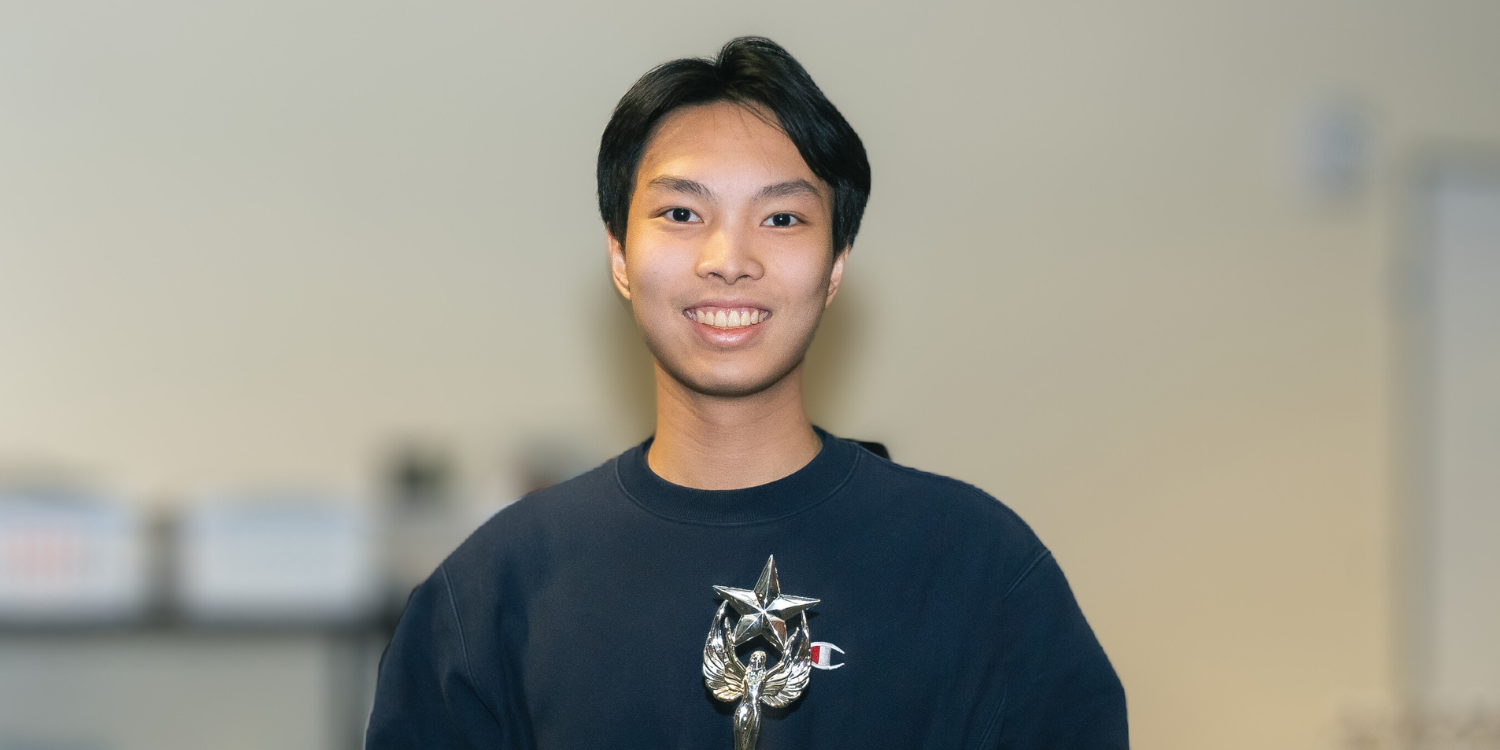
When Vu Quang joined the Yerba Buena High School Speech and Debate team as a freshman, he was drawn to something that seemed perfectly suited for his intellectual curiosity—a competition centered on research and argumentation.
"Not being athletic, I gravitated toward Speech and Debate," Vu recalls. "At first, I didn't know what to expect, but I soon discovered that SVUDL opened countless doors and connections for me. As a freshman navigating a new environment, it was incredibly reassuring to find a tight-knit community where upperclassmen welcomed me with open arms. The inclusivity that both the debate team and SVUDL foster translates to a space where I feel empowered to be authentically myself while pursuing my passion."
Through four years of Policy Debate with SVUDL, Vu developed what he considers his most valuable skill: the ability to articulate complex ideas effectively. "The communication skills I've gained have transformed every aspect of my life," he explains. "Whether I'm competing in formal debates, advising friends on personal issues, or advocating for my novice debaters, I can express myself with clarity and precision while remaining thoughtful and empathetic. This ability has been invaluable as a student coach mediating team disputes and as an individual standing up for myself and others."
When asked about his strongest memory, Vu doesn't hesitate. "Preparing for elimination rounds at the 2025 Marist Invitational stands out vividly," he shares. "I can still picture us sitting on the floor of the SVUDL office at 7 AM, frantically writing while Dr. Burns coached us through our opponent's affirmative case. The atmosphere was tense—almost suffocating—but simultaneously exhilarating. My coaches have consistently empowered me to compete at the highest level. Through every speech and every round, they've been my unwavering support system."
The college application process proved both exhausting and fulfilling for Vu. "I take great pride in the narratives I crafted for my applications," he reflects. "In the fall, I will be attending Stanford University, where I plan to study Asian American Studies. The writing skills I developed through debate proved invaluable throughout the entire application process."
For Vu, the competitive and communal aspects of debate are inseparable. “For me, it is hard to separate community and competition when it comes to SVUDL. Debate is a very competitive community and I love it. Community is what makes the competition fun for me. While winning trophies and awards is rewarding, the process is often grueling. Having a sense of community in SVUDL, within my teams, and with my coaches made debate a lot more enjoyable. Being competitive on the national circuit is an uphill battle, but it is the community that makes this battle bearable,” he underscored.
Vu believes passionately in the power of diverse perspectives to create a more equitable world. “Amidst rising tension between racial, ethnic, gendered, and political groups, the most pressing issue is how we can ensure that all voices and perspectives are heard. Far too often have the voices of the marginalized been pushed to the peripheries. As someone who has read cases about using debate to platform the voices of the oppressed—from reading first hand accounts of survivors of violent NATO imperial interventions to performing poetry about Vietnamese experiences with refugeehood—I found out first-hand how powerful these voices can be. So often our understanding of history and the world has been shaped by a dominant narrative that excludes and erases alternative stories. For too long we have looked past these counter narratives and lived experiences,” he stated.
SVUDL has fundamentally altered Vu's worldview and self-perception. This revelation sparked a passion that continues to guide his academic path. “Learning about people’s lived experiences has always been crucial to how I understand myself. Having immigrated to the U.S. at nine, I never felt like experiences like mine were part of the history and curriculum taught in schools. This changed when I discovered critical literature in Policy Debate. Authors like Malcolm X, Paulo Friere, Daryl J. Maeda, and Viet Thanh Nguyen uncovered for me a counter narrative and history that reflects my struggles and aspirations as a Vietnamese immigrant. Since then, I have been inspired to delve deeper into the works of other activists and scholars to better understand the lived experience of myself and those around me. Studying Asian American Studies in college would not only allow me to further my interest and passion but also contribute to the growing body of counternarratives that were so empowering to me,” he reflected.
A Voice of Her Own: Katelynn Nguyen’s Historic Journey to the CHSSA State Championship
In a state as vast and competitive as California, where over 300 high schools participate in Speech and Debate through the California High School Speech Association (CHSSA), qualifying for the State Championship is no small feat. For Katelynn Nguyen, a junior at Silver Creek High School in San Jose, the journey to this elite tournament was more than just an individual milestone—it was a historic moment for her school and for the Silicon Valley Urban Debate League (SVUDL). Click here to learn more about Katelynn’s path to state champs.
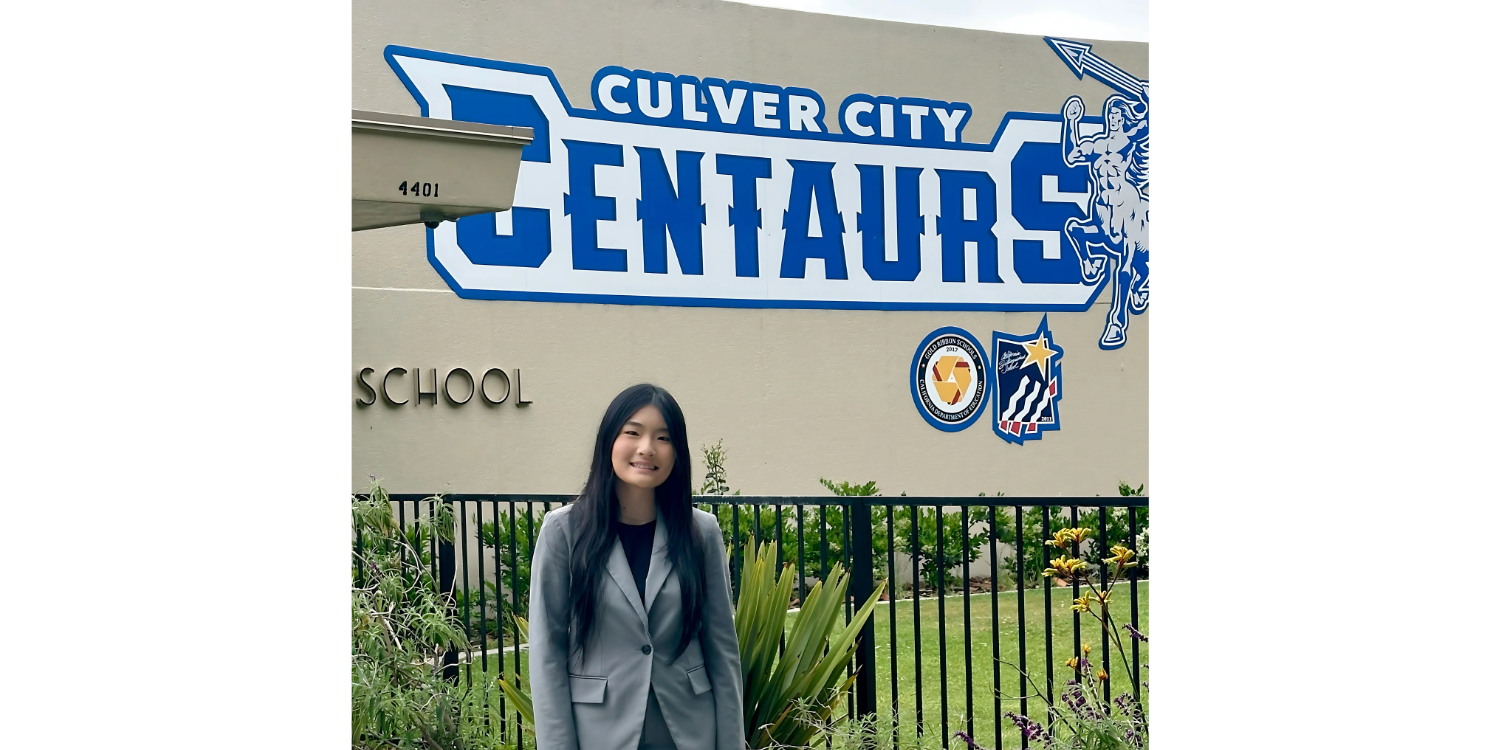
In a state as vast and competitive as California, where over 300 high schools participate in Speech and Debate through the California High School Speech Association (CHSSA), qualifying for the State Championship is no small feat. For Katelynn Nguyen, a junior at Silver Creek High School in San Jose, the journey to this elite tournament was more than just an individual milestone—it was a historic moment for her school and for the Silicon Valley Urban Debate League (SVUDL).
Katelynn is the first student in SVUDL’s ten-year history to qualify for the CHSSA State Championships, held this year in Culver City. As the league’s inaugural state representative, her achievement speaks volumes—not only about her personal dedication, but also about the growing reach and impact of Speech and Debate.
“Preparing for CHSSA was exciting but definitely stressful!” Katelynn shared. “This year, CHSSA was hosted a weekend before AP exams. At the tournament, I met a lot of competitors who shared the same sense of impending doom about heading back to school the next day for exams.”
Despite the pressure, Katelynn approached her event—Informative Speaking—with the meticulousness of a seasoned speaker. She had been crafting her speech and visual aids since November and had just come off another national qualifier the week before. Still, what lingered most wasn’t the exhaustion, but the sense of purpose. “I think it was stressful due to internal pressure and personal goals! But of course, I was extremely excited at the same time.”
Her transition from local to state-level competition was grounded in a deep sense of gratitude and responsibility. “It’s an honor, and it feels awesome! SVUDL has given me so many resources and opportunities over the past two years—and yes, believe it or not... I’m saying this on my own accord!” she laughed. “I feel a personal obligation to represent SVUDL well.”
Indeed, Katelynn’s presence at CHSSA was more than symbolic. She competed not only to perform, but to advocate for broader participation in prepared Speech events. “A common occurrence in many Speech and Debate Clubs is the difficulty to diversify beyond Impromptu Speaking,” she explained. “I hope I can use this experience to attract more students to the art of prepared speeches. It’s incredible to be able to perform a piece personal to you, across the span of a year.”
Despite being the sole competitor from Silver Creek High School, Katelynn did not feel alone. “It forced me to go outside my personal bubble and talk to so many new people from all over the state,” she said. “CHSSA, by far, has been the most competitive tournament I’ve attended since freshman year… Everyone was truly so impressive and inspiring.”
There was even a bit of Hollywood sparkle: “John Stamos appeared as a special guest to announce the release of breaks!” she recalled with a smile. Although she did not make the final round, Katelynn reached the semifinals and considered that a major win. “Even breaking into the semis—I was ecstatic.”
But her sights are set even higher.
“To CHSSA: I’m not done yet! I will be back my senior year to get that State Champion title!” she declared. After competing primarily in Impromptu Speaking for her first two years, switching to Informative Speech opened new creative and intellectual doors. “It was a completely different, rewarding experience. Unlike Impromptu, which tests your ability to craft a speech on the spot, Informative is a prepared event designed to—yes—inform, especially on topics with meaningful societal implications.”
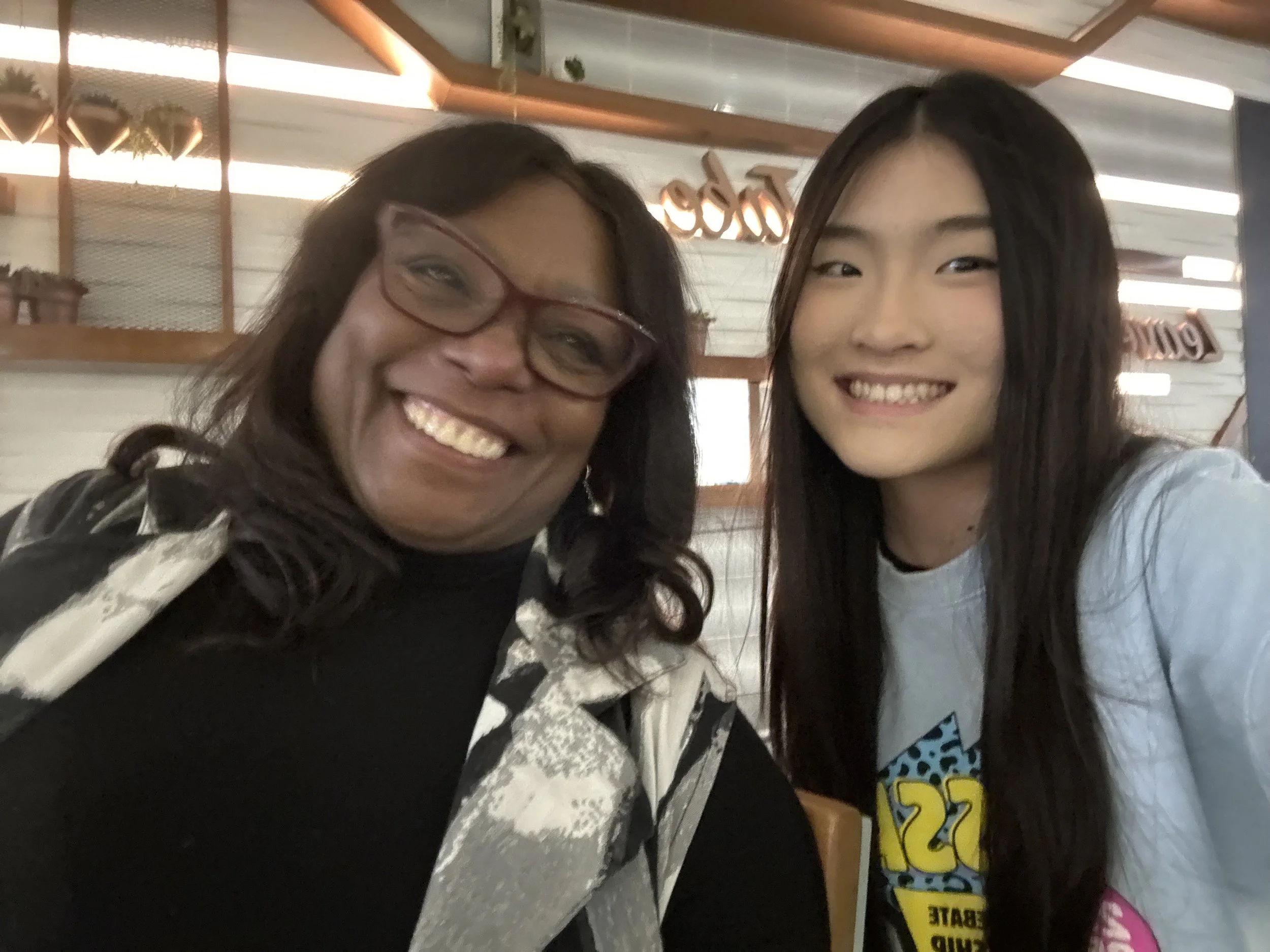
Mitchy Rene (Teacher, Silver Creek High School) and Katelynn Nguyen
Katelynn’s speech focused on the world of reality television, starting with its early history and expanding into its lasting cultural footprint. “I started with the origins of reality TV, but what I really wanted to highlight were the implications it has today,” she shared. “From how we consume media to how we engage online or even view politics, the genre has shaped our idea of what’s ‘real.’ It’s a lens into how curated content influences our everyday behavior and attention.”
Katelynn’s competitive ambition extends beyond the state level. This year, she narrowly missed qualifying for several prestigious national tournaments, including the UK Tournament of Champions and NSDA Nationals. At the NSDA Last Chance Qualifier, she placed 24th out of 188 competitors in Informative Speaking. “To say the least, I was distraught,” she admitted.
But in classic Katelynn fashion, that disappointment has only fueled her.
“This isn’t the end of my Speech journey. In fact, it’s only fueled my motivation heading into senior year,” she said. “Next year, I will be aiming to be in the final rounds of CHSSA State Championships and NSDA Nationals. It will take a lot of work, but I’m excited to see what the future holds!”
In a field where thousands compete and only a few rise to the top, Katelynn Nguyen’s story is a testament to resilience, vision, and the power of student voice. For SVUDL and for California Speech and Debate, she has already made history—and she’s just getting started.

SVUDL Welcomes Rak Garg to the Board of Directors
Although talent is everywhere, opportunity is not. By providing access to new people and experiences, we give SVUDL students a chance to pursue goals and activities that have seemed out of reach to them in the past. Our Board of Directors plays a major role in helping students uncover the power of their voices. Rak Garg, the newest member of SVUDL’s Board of Directors, first met SVUDL co-founder Jennie Savage when he was in high school and she was coaching Speech and Debate. Learn more about Rak Garg’s career and his path to joining SVUDL’s Board of Directors here.

Our newest member of the Board of Directors is Bain Capital Ventures Partner Rak Garg. When he was in high school, he was on a team for three years of competitive Lincoln-Douglas debate. Now he serves as a volunteer Speech and Debate judge for Milpitas High School.
“Debate changed the trajectory of my life. I learned critical thinking, persuasion, advocacy, and the ability to see both sides of every issue. This skillset is invaluable for the world we live in today, given rampant misinformation and lack of understanding in online communities. Learning these skills early gave me the ability to handle heavy workloads, create unique perspectives based on first-party research, and have carried me through my career,” he recalled.
Rak looks forward to serving on the Board and contributing to the SVUDL community. “I want to give back and replicate what I learned as best I can for students who lack institutional support. As a venture capitalist, much of my work and network are in the entrepreneurship ecosystem. I’m committed to establishing entrepreneurship as a viable career path for SVUDL students. I’m interested in organizing visits to Silicon Valley venture capital firms, and helping students develop their ideas from concept to launch. Much of the thinking and reasoning involved in crafting a debate case applies to crafting business cases, and most entrepreneurs face a lot of rejection before achieving success. This is similar to how many debaters face a lot of losses before winning,” he reflected.
Rak Garg is a Partner at Bain Capital Ventures, where he invests in entrepreneurs building the future of AI, cyber-security, and enterprise. Before investing, Rak was a product leader at Atlassian, where he led multiple teams towards creating new businesses within security and productivity. Rak is originally from New Delhi, India, and grew up in Milpitas, CA.
Please join us in welcoming Rak Garg to the SVUDL Board of Directors!
Embracing Challenges
“I'm no longer afraid to make my voice heard, even when my opinions might be unpopular,” said SVUDL student Angelina Le. "I've become much more confident and willing to embrace challenges.” Keep reading to learn how Angelina joined debate as a freshman and found it transformative.
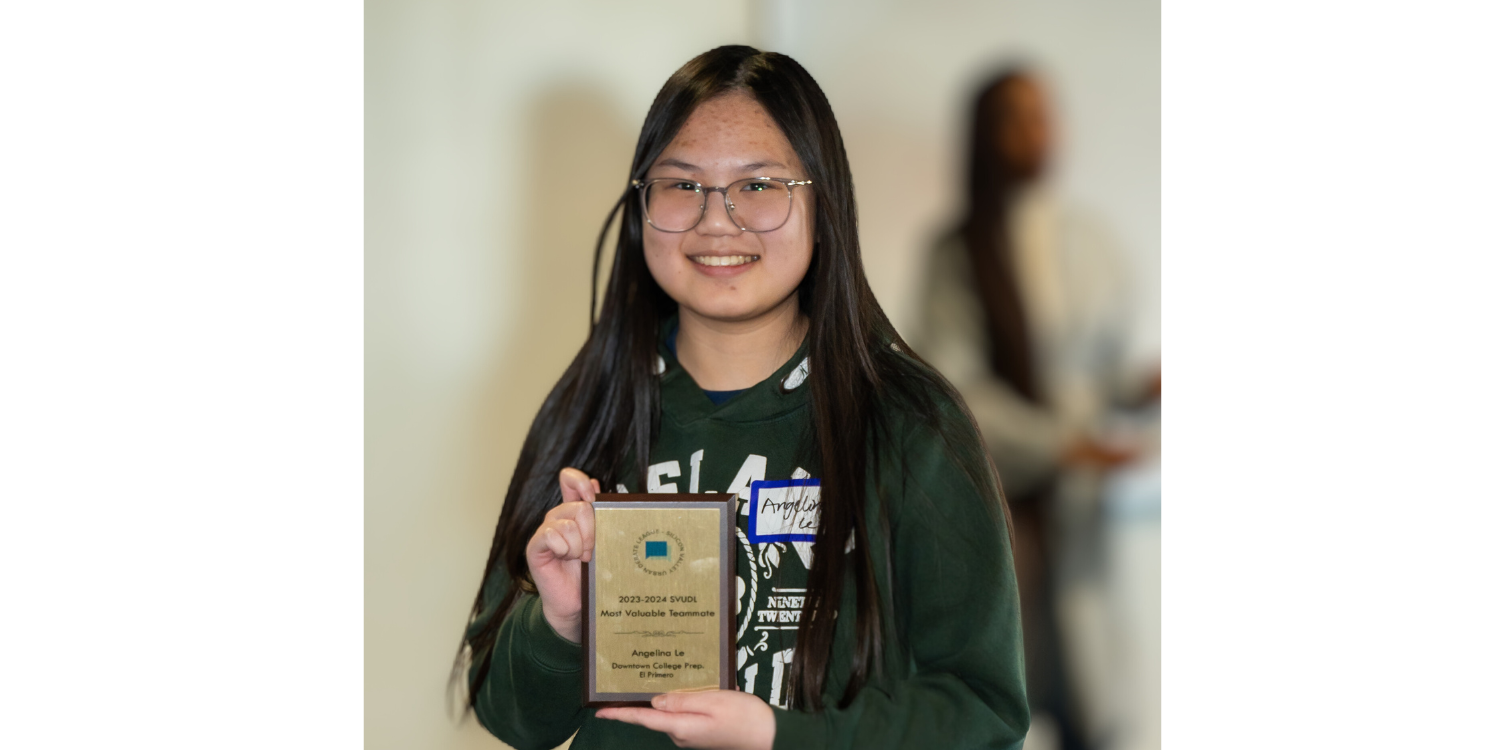
When Downtown College Prep High School senior Angelina Le's freshman math teacher suggested she try Speech and Debate, she never imagined it would transform her life.
"My teacher helped me prepare, and I placed fourth overall in my first competition," Angelina recalls. "I enjoyed it so much that I decided to continue. Initially, I hesitated because I didn't think I had anything important to say. Through debate, I discovered how to voice my opinions on topics, especially politically divisive ones."
SVUDL opened new doors for Angelina, including the opportunity to compete at a national tournament at Berkeley. "It was fascinating to experience. Interestingly, many of my favorite memories come from virtual tournaments during COVID. After finishing a round, my team and I waved at another team across the hallway through multiple glass doors—a small moment of connection that stands out."
Now, as a graduating high school senior, Angelina reflects on how debate has shaped her future. "The college application process challenged me—writing about myself required a completely different skill set. In the fall, I'm going to study bioengineering at UC Davis to advance medical technology. SVUDL has significantly improved my writing abilities and broadened my understanding of technology ethics through debate competitions."
The skills Angelina developed through SVUDL will serve her throughout her academic and professional journey. "I've developed critical thinking abilities that allow me to consider multiple perspectives in any argument. As a debater, I've also enhanced my listening skills, allowing me to process information more quickly during conversations."
Her debate experience fundamentally shifted her worldview. "Before joining, I hadn't fully grasped how powerful public speaking could be. The debate space provided my first real opportunity to express my political opinions authentically."
The personal growth extends beyond debate skills. "I've become much more confident and willing to embrace challenges. I'm no longer afraid to make my voice heard, even when my opinions might be unpopular. In addition, mentoring newer debaters has made me a more effective communicator."
Recently, Angelina spoke at a Flourish Collective event, an organization dedicated to racial justice and trust-based philanthropy that has supported SVUDL’s efforts.
"I was surprised by how interested people were in my experiences," she says. "During the panel, I shared my journey as a debater and my experience teaching underclassmen. Everyone has a unique story to tell, whether through speeches or thought-provoking arguments. It was eye-opening to hear SVUDL CEO Rolland Janairo discuss how alumni have changed through debate and now give back to the community—passing on their enthusiasm and passion to new speakers and debaters."

Debatifying Biology
Every subject matter has the potential to be “debatified” – the process of infusing debate into a classroom by utilizing Debate Centered Instruction (DCI). One particularly compelling example can be found in SVUDL DCI Fellow Roberto Solis’s biology classroom. One lesson he implemented was a debate on the most important organelle in a cell. Students were assigned different organelles and had to argue why theirs was the most essential for life. They researched, wrote claims, and defended their positions while challenging others. This debate led to deep discussions about cell functions and interdependence, reinforcing their understanding of the topic in a way that traditional lectures do not. Read on to learn more about the intersection of biology and DCI.
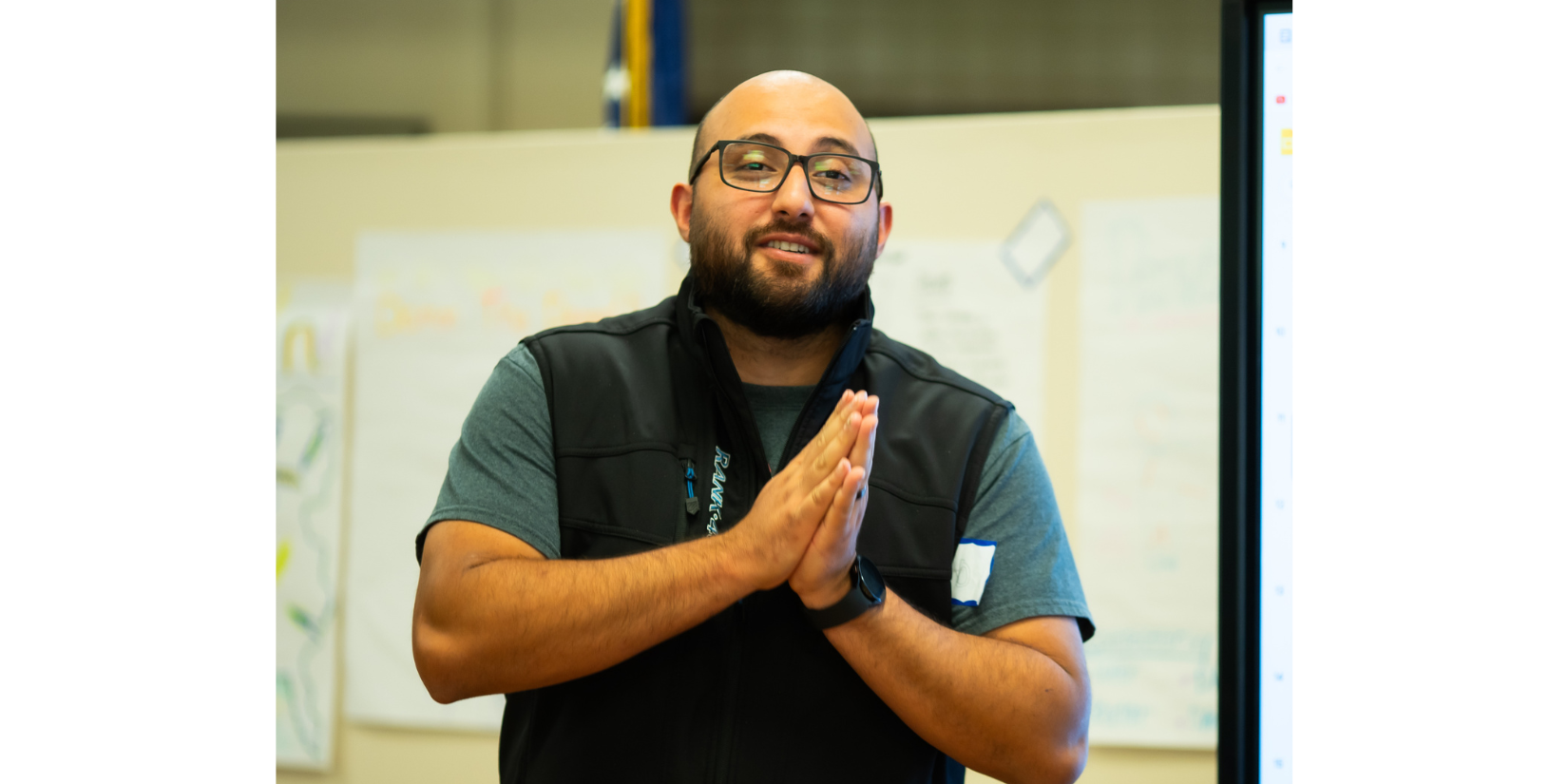
Department Chair and Biology Teacher Roberto Solis is currently serving as a SVUDL DCI Fellow at Mt. Pleasant High School in the East Side Union High School District. He has been teaching for five years, with over eight years of experience in the classroom.
Roberto Solis shared that the teaching and learning environment at Mt. Pleasant High School is a particularly well-suited place to implement Debate Centered Instruction (DCI). The school has a diverse student body and a strong sense of community with a culture that emphasizes collaboration and critical thinking, preparing students for real world challenges.
DCI is particularly exciting because it can add value in any subject area. “In biology, debate allows students to explore scientific concepts critically. Whether discussing the ethics of genetic engineering, climate change policies, or the impact of human activities on ecosystems, students use evidence-based arguments to support their claims. This approach deepens their understanding and improves their ability to analyze complex information,” reflected Roberto. “I was drawn to debate because it gives students a voice, encourages tolerance for different perspectives, and provides them with tools to form, express, and defend their opinions in an era of information overload.”
Although Roberto did not formally participate in Speech and Debate himself, he has always valued discussion and critical thinking. Engaging in structured debates later in his career made him appreciate how powerful this tool can be for student growth. “I decided to participate in SVUDL’s DCI Fellowship program because I wanted to refine my ability to use debate as an instructional strategy and connect with other educators who are implementing debate in their classrooms. The opportunity to learn new techniques and bring them to my students was a major motivation,” he shared.
Roberto has definitely seen an impact in his classroom. “It has made my teaching more student-centered. Instead of just delivering content, I guide students as they explore, question, and debate scientific concepts. It has also made my classroom more dynamic and engaging,” he said.
He has seen positive outcomes in his students from DCI in the classroom. “Students are more confident in presenting their ideas. Their ability to analyze information, construct arguments, and ask critical questions has noticeably improved. Many students who were initially quiet now actively participate in discussions,” he emphasized.
He offered as an example a lesson plan and how it played out in the classroom. “One lesson I implemented was a debate on the most important organelle in a cell. Students were assigned different organelles and had to argue why theirs was the most essential for life. They researched, wrote claims, and defended their positions while challenging others. This debate led to deep discussions about cell functions and interdependence, reinforcing their understanding of the topic in a way that traditional lectures couldn’t,” he noted.
As with any new undertaking, Roberto has had to address a few implementation challenges. “Some students struggle with speaking in front of their peers or forming structured arguments. I address this by scaffolding the debate process, providing sentence starters, and modeling how to construct claims and rebuttals. Time constraints can also be a challenge, as debates require preparation and discussion,” he said.
One of the many exciting aspects of DCI is hearing directly from the students about their own experiences. “Many students say they enjoy debates because they feel heard and challenged. Some mention that debating has helped them in other subjects, improving their ability to organize thoughts and present ideas clearly,” he shared.
Roberto recommends bringing DCI to other teachers who are considering bringing it to their classrooms. “Give it a try! Debate transforms passive learning into active engagement. It helps students develop essential life skills like critical thinking, communication, and adaptability. Start small with structured discussions and build from there,” he advised.
He also has some guidance for principals or district administrators considering bringing DCI to their schools. “Debate fosters deeper learning and civic engagement. It equips students with analytical skills that prepare them for college, careers, and informed citizenship. Investing in debate programs can elevate student achievement and create a more intellectually vibrant school culture,” he noted.
Ultimately, Roberto feels that bringing debate into his classroom has been one of the most rewarding changes in his teaching. “It has empowered students to take ownership of their learning, develop confidence, and engage more deeply with the content. I’m excited to continue expanding debate opportunities in my curriculum,” he said.

The Alchemist, Lord of the Flies and La La Land
What do The Alchemist, Lord of the Flies, and La La Land have to do with Debate Centered Instruction (DCI)? Each of these components were strategically woven into Evergreen Valley High School SVUDL DCI Fellow Kevin Tran’s classroom. Keep reading to learn the nexus between these elements and DCI and how the classroom transformed as a result.

Kevin Tran is in his second year of teaching English at Evergreen Valley High School in San Jose. With a Master’s degree from San Jose State University, he has successfully incorporated Debate-Centered Instruction (DCI) into his high school curriculum after just one year of teaching.
“I’ll never forget how inspiring my own sophomore year teacher was when I was in high school. Everyday in chemistry, he’d offer life advice alongside motivational speeches. His ability to connect chemistry to real-world applications made a lasting impression on me. While I didn’t always fully grasp the concepts in chemistry, I truly appreciated his demeanor, attitude, and personality,” Kevin reflected. “It was through teachers like him that I realized I wanted to teach. They genuinely cared about us and made a real impact on our lives.”
Initially considering a career in psychology, Kevin ultimately chose teaching as a way to help others. “That’s when I realized I wanted to pursue a career that could truly make a difference,” he said.
In college, Kevin found his passion for literature, especially analyzing texts. Recently, he assigned his students a project on The Alchemist, focusing on the themes of dreams and reality. The class watched La La Land and analyzed the connections between the two works. Students wrote essays exploring the question, "What does it mean to be a teen in 2025?"
“One student shared an essay with me that was so well-written, it profoundly resonated with me. I asked her about her process, and she walked me through it. I told her it was one of the best things I had ever read, and she thanked me,” he recalled. “But the next day, she came back to share how much my words meant to her. She wanted to make sure I knew how much she appreciated the opportunity the project gave her, and how it made her think more deeply.”
When Kevin first introduced Debate-Centered Instruction (DCI) into his classroom, he began with a small-scale debate. “I was nervous because I had seen how difficult debate could be to manage without proper structure. Without clear instructions, debates can easily become disorganized, with some students doing all the work while others contribute little,” he admitted.
“But with DCI, everything changed. Every student had a role, and they stayed engaged. The activity was challenging, but they found it rewarding. They appreciated the opportunity to build arguments. The time constraints were challenging, but they still enjoyed the challenge,” Kevin said.
For Kevin, DCI aligns naturally with his teaching style. “I believe in student-centered learning, where students take on the work. It's important to shift the cognitive load from the teacher to the students. This approach was ingrained in me during my graduate studies, and it feels very natural in the classroom.”
Despite its overall success, Kevin has faced some challenges in fully integrating DCI into his classroom. “The difficulty sometimes lies in determining how to fit DCI into the curriculum. I constantly ask myself: How can I make this activity feel organic? How can I integrate it seamlessly into what we’re already studying so it doesn’t feel disconnected?”
The academic rigor of his school also poses a challenge. “Maintaining rigor is crucial. It’s a balancing act—figuring out how much scaffolding is needed for students to succeed,” Kevin explained.
Kevin teaches three novels each year. This past year, he taught Lord of the Flies and created a DCI consensus activity with four different claims. The students discussed the nature of savagery and examined whether Jack’s influence or the boys' inherent evil was to blame for their descent into chaos. They also analyzed Ralph’s failure to lead and the complete lack of civilization.
While students expressed a desire for more time to cross-examine each other’s arguments, they also relished the challenge that the time constraints provided. One unexpected benefit was the increased engagement of a student who had previously been much less enthusiastic about the learning process. In the mock trial, every student participated—whether presenting opening or closing arguments, cross-examining, or delivering rebuttals.
In today’s political climate, teaching DCI feels particularly relevant. “Teaching is inherently political. It’s an act of protest. When we teach students to be critical thinkers and analyze current events, we’re empowering them to engage with the world thoughtfully. Avoiding those discussions would undermine the very purpose of education,” Kevin stated. “SVUDL has been an invaluable resource. It has helped me become a better teacher.”
SVUDL Teams Shine at the 2025 Urban Debate National Championship!
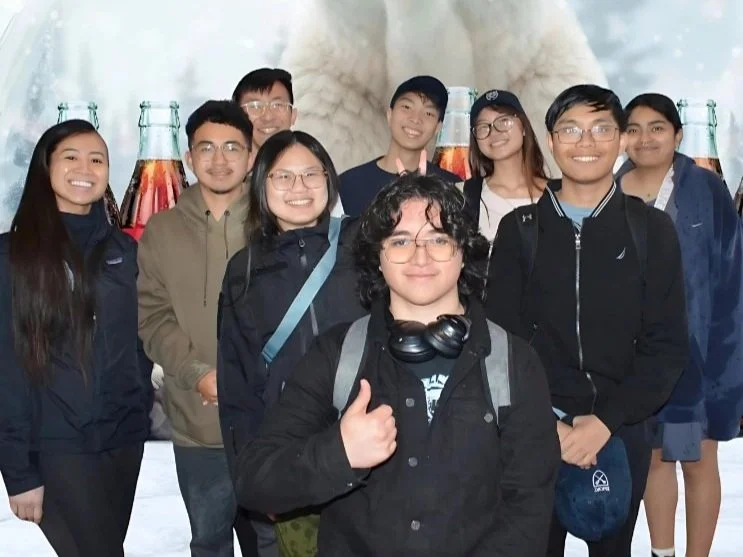
From April 3rd-6th, students from Independence High School, Yerba Buena High School, Downtown College Prep El Primero, and Andrew Hill High School represented our league at the 2025 Urban Debate National Championship at Emory University in Atlanta, Georgia. With nine students competing across two divisions, our teams demonstrated incredible skill, teamwork, and resilience. The experience was not only competitive but also a celebration of growth and community—capped off with a fun visit to the World of Coca-Cola Museum! Read more about their experience here!

Top debaters from across the nation come together for the annual Urban Debate National Championship (UDNC), which is organized by the National Association for Urban Debate Leagues (NAUDL). This year, the tournament was held from April 3rd to April 6th at Emory University in Atlanta, Georgia with two divisions: Policy Debate and Debate en Español. SVUDL sent four teams to the 2024 UDNC this year: one Debate en Español team from Andrew Hill High School and three Policy debate teams from Independence High School, Yerba Buena High School, and Downtown College Prep El Primero.
Pre-matched rounds of the competition began on Friday, April 4. Students adopted a strong feeling of community from the start. Vu Quang from Yerba Buena High School shared his thoughts, saying, “UDNC was an amazing experience! Having such a big squad at the tournament, I enjoyed the sense of community that we had at UDNC.”
In total, we had nine students representing our schools, including Isaias Plascencia from Yerba Buena, who also proudly qualified for the UDNC. Throughout the tournament, students supported one another, debriefing after rounds and collaborating to prepare for upcoming debates. Angelina Le reflected, “Being able to learn from my fellow debaters was a highlight of the UDNC for me. I learned more in-depth about how the competition works and which strategies were the most helpful.”
Vu Quang and Ryan Nguyen's Yerba Buena team went to the octofinals, competing against the Barack Obama Male Leadership Academy's Dallas Urban Debate League team. The team was happy with their efforts and the support they received from their peers, even if they lost a hard-fought round.
Vu Quang achieved a great feat by placing third overall as one of the top Speakers in the Policy debate division for his amazing performance. At the awards presentation, Chloe Truong was recognized as NAUDL's Debater of the Year, and we were overjoyed to congratulate her.
Our students had the opportunity to tour Georgia and the World of Coca-Cola Museum following the tournament. In addition to learning about the history of the renowned brand, which was established in Georgia, they delighted in trying out various Coca-Cola varieties from around the globe.
The UDNC this year was a celebration of student development, resiliency, and community in addition to being a competition. We are immensely proud of all our students for representing their schools and our league with such passion and dedication. Congratulations to all the teams that participated and NAUDL for hosting such an amazing tournament.

Debate Centered Instruction Helps Students Find Common Ground
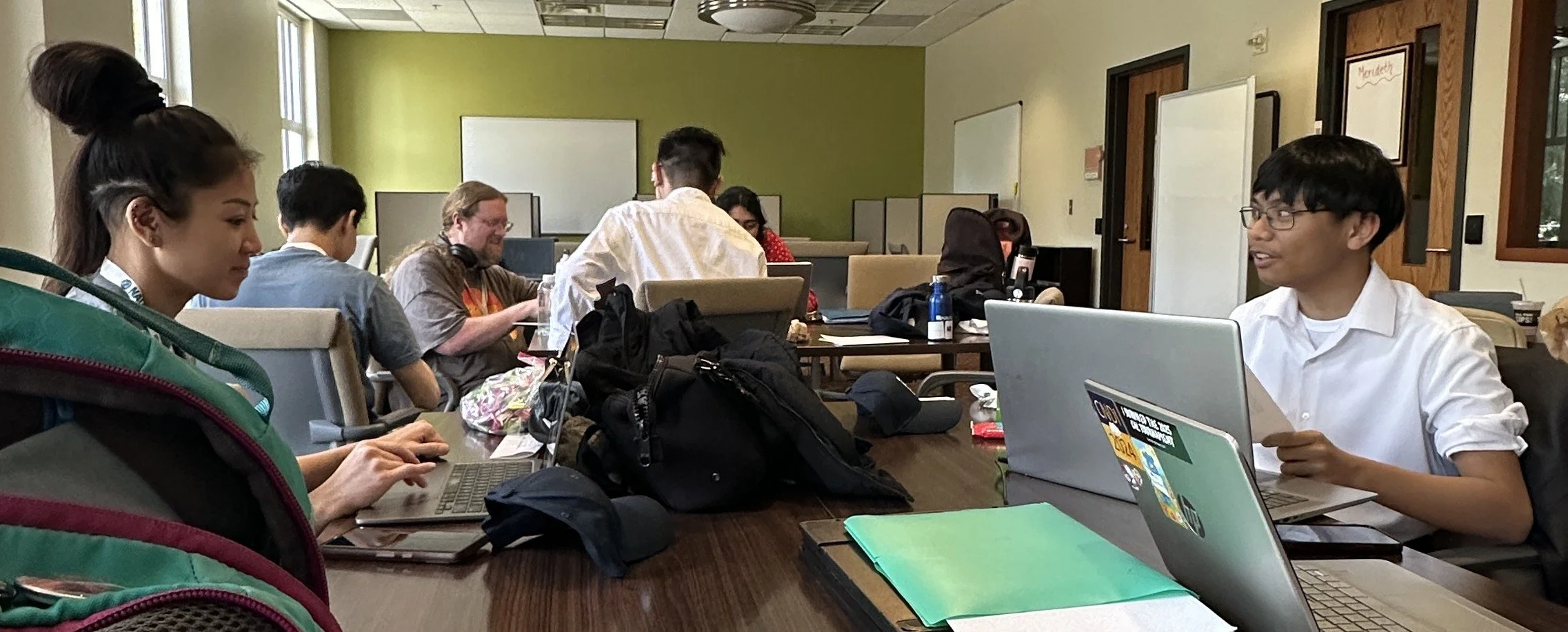
Latino College Prep’s SVUDL Fellow Andrew Garcia Chavez teaches social studies and uses Debate Centered Instruction (DCI) as a tool to engage his students. Learn how he is equipping students with new ways to find common ground - whether a classroom debate on if the American Revolution was virtuous or a Socratic seminar on Just Mercy, this teacher is bringing new excitement to his classroom through DCI.

Andrew Garcia Chavez is a Social Studies teacher at Latino College Preparatory Academy in San Jose. Initially drawn to a career in economics, Andrew’s passion for teaching ignited during a summer program in Japan where he saw firsthand the profound impact he could have on his students.
“I fell in love with teaching as I witnessed the powerful voices of young people. We had intense conversations about the challenges facing society, from immigration and an aging population to the decline in childbirth,” he recalled. “It was incredible to craft speeches with these students and hear their perspectives.”
After returning to college, Andrew decided to pursue a minor in education and set his sights on becoming a teacher. He earned his master’s degree and began teaching at KIPP in 2021. By 2022, he was teaching history, AP World History, and Ethnic Studies at Latino College Prep. Then in 2023, he took on the role of Speech and Debate coach, leading his team to the prestigious Tournament of Champions in Kentucky.
This year, Andrew has been particularly focused on Debate Centered Instruction (DCI). “Some students have a tendency to become a bit combative, and I wanted to channel that energy into something more collaborative,” he explained. “The DCI Coming to Consensus exercise challenges students to find common ground. One student, initially disengaged with the work, found his voice and stepped into a leadership role. It was incredible to watch him transform.”
In one memorable class discussion, the students debated whether the American Revolution was virtuous. It became one of the most powerful classroom conversations of the year, with one student in particular evolving from shy and passive to confident and engaged, sparking enthusiasm in his peers.
“Students have so much to say. As a society, we often fail to fully appreciate the knowledge and perspectives young people bring to the table. The focus shouldn’t just be on who's right and who's wrong—it should be about finding common ground,” Andrew reflected. “With DCI, students learn how to engage in those kinds of conversations, especially about controversial topics.”
DCI has proven to be an effective tool for students who are so absorbed in their own arguments that they struggle to consider multiple viewpoints. “Helping students see the gray areas can be challenging, but DCI helps students learn how to construct speeches. Many students worry about saying things the ‘right’ way, so the structure of speeches, along with background knowledge and sentence starters, is invaluable,” Andrew explained. “They start by learning to create a clear beginning, middle, and end. Once they grasp that framework, they begin to experiment and build from there.”
Recently, Andrew led a Socratic seminar focused on Just Mercy, discussing the prison system. The conversation was particularly emotional due to a recent local news story involving a 13-year-old boy suspected of murder, who, due to his age, could serve as little as eight months in an unlocked ranch facility. This real-world example sparked a passionate classroom debate on juvenile justice in America, with students grappling with difficult questions about punishment, reform, and justice.
“DCI equipped students with the tools to engage in meaningful dialogue during the Socratic seminar. They felt more confident speaking up and contributing to the discussion,” said Andrew. “SVUDL has been a great support to me by offering resources that have been especially valuable.”
Through his work, Andrew has created an environment where students can not only learn but also develop the skills to engage in thoughtful, respectful conversations—skills that will serve them well beyond the classroom.
SVUDL Brought Out My Courage
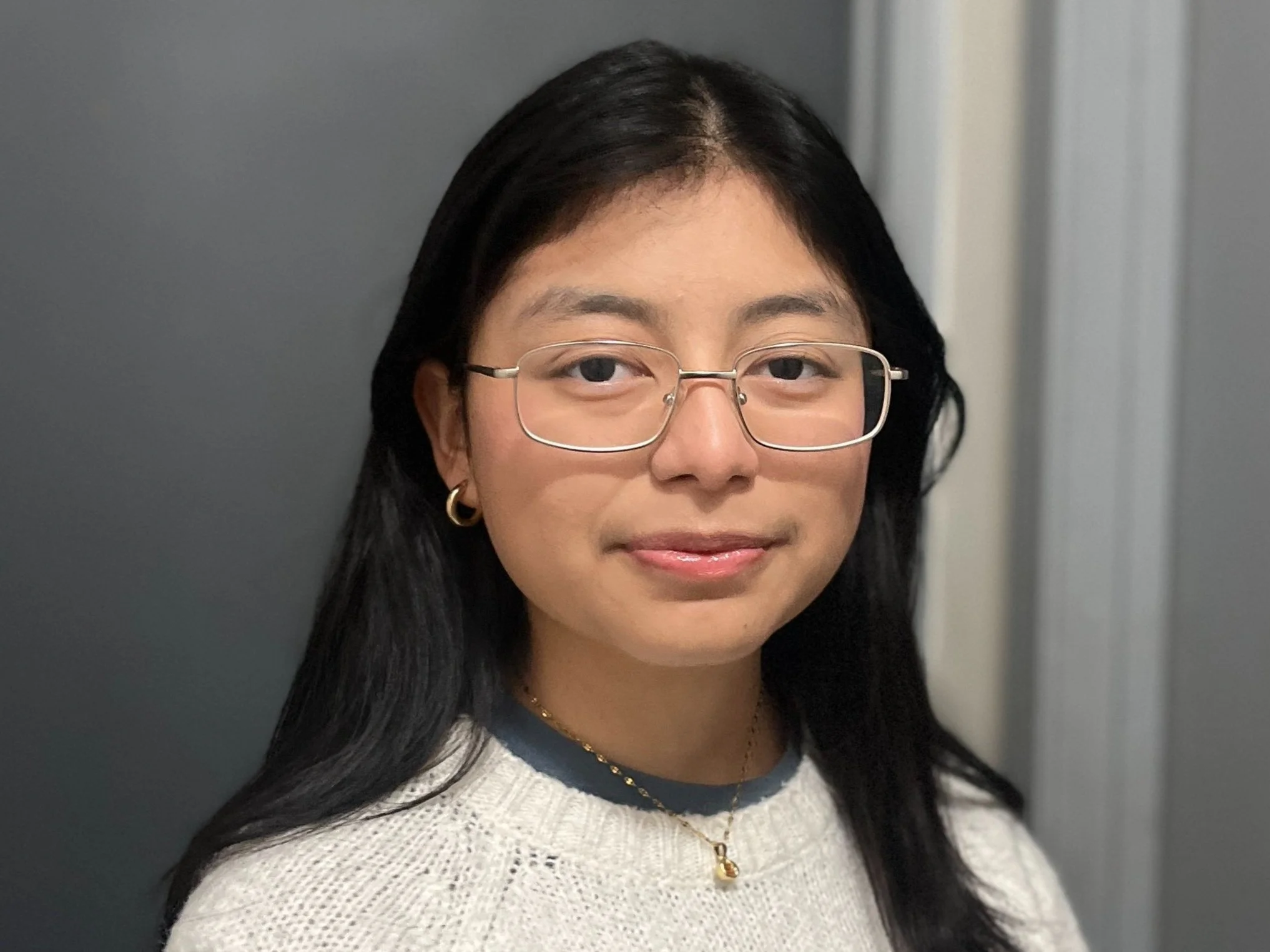
What Summit Everest High School senior Cristel De La Cruz Bonilla values most about SVUDL is the access to opportunities she might not have otherwise encountered. "SVUDL brought out my courage. I had fooled myself into believing I never had any," she shares. "Though I was always interested in advocating for social justice, I didn't know where to start.” Click here to learn more about Cristel’s journey.
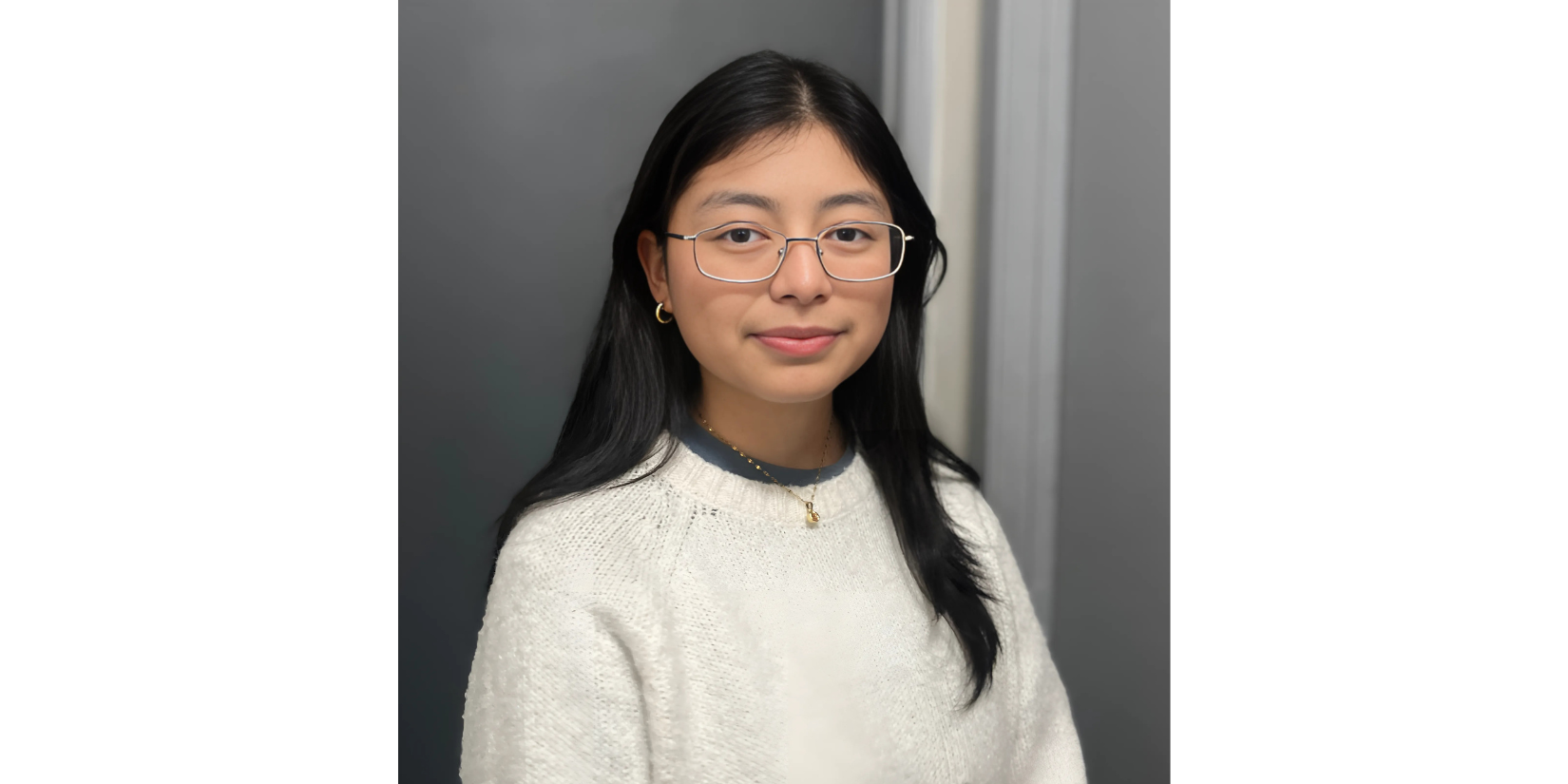
Summit High School senior Cristel De La Cruz Bonilla's introduction to SVUDL began with an encouraging push from her coach, Senior Program Specialist Kwodwo Moore. He recognized her potential and invited her to explore public speaking through Moot Court during the summers of her freshman and sophomore years. By junior year, Cristel had begun participating in SVUDL tournaments.
This is where Cristel discovered her powerful voice. "SVUDL provided a space to develop my skills during the tournaments. As a result, I've become more comfortable presenting in front of judges," she reflects. "I always made an effort to improve by using critiques to further develop my voice for the future."
What Cristel values most about SVUDL is the access to opportunities she might not have otherwise encountered. "SVUDL brought out my courage. I had fooled myself into believing I never had any," she shares. "Though I was always interested in advocating for social justice, I didn't know where to start. SVUDL offered me the chance to participate in I RESOLVE, which became my entry point."
During I RESOLVE, Cristel advocated for compensation for minorities who have faced historical oppression. "Getting to research historical topics that address how the current system of welfare and inequities came to be is crucial for someone seeking to make change," she explains. "Although the setting where I presented initially intimidated me, I took a leap of faith based on my ambition so I could grow even more."
For Cristel, the most memorable aspect of IRESOLVE was connecting with fellow students during a trip to Chicago. "We bonded beyond debate, which made me recognize the wonderful community within SVUDL," she recalls. "These new experiences helped me reflect on the type of person I want to become and broadened my vision of potential career pathways for making an impact."
Now a high school senior preparing for college, Cristel acknowledges the challenges of the application process. "The biggest challenge was choosing which schools to apply to, and the applications are so expensive," she admits. "I'm thankful that NAUDLprovided a scholarship to help with that." Cristel has been accepted to her top choice, UC San Diego, where she hopes to study international relations this fall, pursuing her goal of a career in diplomacy.
Cristel's experiences with SVUDL have shaped her career aspirations. "Participating in SVUDL tournaments helped me realize that I wanted to pursue a career utilizing similar skills," she explains. "I plan to apply the public speaking abilities I've developed through SVUDL. I now enjoy speaking out about crucial issues that are particularly important to me." Looking ahead, she aims to become a diplomat who can create broader change while representing her Hispanic community.
In addition to practicing public speaking, Cristel has developed valuable social skills. "Talking with people from different career paths and stations in life was encouraged," she notes. "This skill has and will continue to support me in having meaningful conversations and forging deeper connections."
What stands out to Cristel about SVUDL is its supportive community, particularly the coaches who create such a positive environment. The organization has impacted her greatly as a person. "I was extremely timid when it came to expressing myself. I never liked to stand out or take the first step by myself," she reflects. "While being in the spotlight still makes me feel awkward, I push myself if it means speaking about things important to me. I'm grateful to have found a community in SVUDL that made me feel welcome while I stayed true to myself."

“Arctic” Selected As 2025-2026 National High School Policy Debate
The National Federation of State High School Associations (NFHS) has announced the selection of “Arctic” as the National High School Policy Debate Topic for the 2025-2026 academic year. Keep reading to learn about the process of selecting this topic and discover which topics were not selected for the upcoming debate year.

The National Federation of State High School Associations (NFHS) has announced the selection of “Arctic” as the National High School Policy Debate Topic for the 2025-26 academic year. The debate resolution will be as follows: “The United States federal government should significantly increase its exploration and/or development of the Arctic.”
“Arctic” was chosen over “Military Presence” by a 21-13 vote in the final balloting process, which saw participation from 30 state associations, including the National Speech and Debate Association, the National Catholic Forensic League, the National Association for Urban Debate Leagues, and the National Debate Coaches Association.
The process that the NFHS uses to determine the year long topic for Policy Debate is a thorough and intensive process. Professionals from across the country come together each summer to figure out how to select a topic that will be both educational and relevant, while remaining appropriate enough for high schools across the country to share.
“This work is crucial to making sure everyone has equal access, and even though I wasn't a voting member, I felt that my questions and concerns were taken seriously and fairly considered. I plan on going again if I am given the opportunity, because I think it is important that the membership of these committees are made up of people who represent youth from our communities,” said Kwodo Moore, SVUDL Senior Program Specialist, after attending the topic meeting last summer.
Three stages of voting were used to determine the winning topic. The first was held during the NFHS Policy Debate Topic Selection Meeting August 1-4, 2024, where 61 attending delegates from 21 states and multiple national organizations compiled five potential choices. In addition to Arctic and Military Presence, other options included “India,” “Nation State Recognition” and “South Asia.”
HOW THEY VOTED FOR 2025-2026:
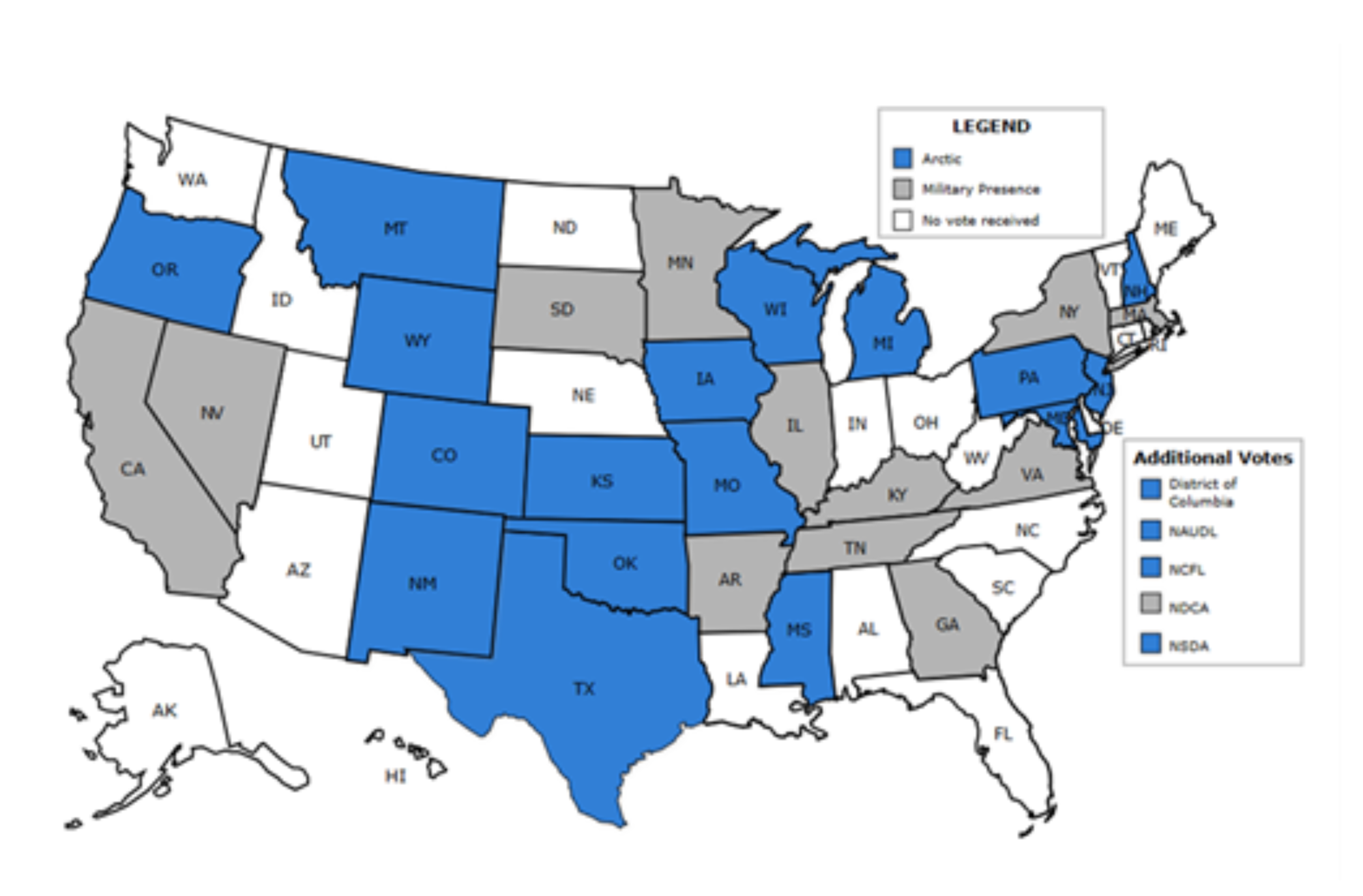
National Policy Debate Topic Area Balloting:
21 ARCTIC
Resolved: The United States federal government should significantly increase its exploration and/or development of the Arctic.
13 MILITARY PRESENCE
Resolved: The United States federal government should significantly reduce its military presence in one or more of the following: Bahrain, Japan, Kuwait, South Korea.
The topic of the Arctic offers a unique opportunity for students to delve into geopolitical, environmental and economic discussions that shape our world.
Do you work in this area? Calling all SVUDL supporters to share their knowledge, expertise, anecdotes and insights for SVUDL students! Your experience will be invaluable as our students navigate this powerful and fascinating area of the law. We’re going to be scheduling topic lectures for our students over the summer and early fall - reach out to us today if you would like to help out!
A Lifelong Passion for Teaching Leads to Debate Centered Instruction
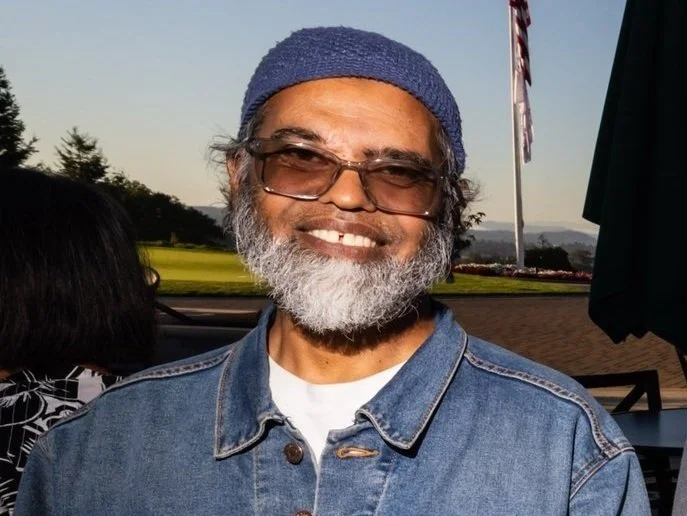
Dr. Ali has always had a passion for teaching. Even as a young student, he often helped classmates with mathematics and other subjects. “Teaching my friends helped me learn even more myself,” he says. Keep reading to learn about his lifelong love of teaching which led him to his current role as SVUDL’s Debate-Centered Instruction (DCI) Fellow at Andrew P. Hill High School in San Jose.

Chemistry and Forensic Science teacher Dr. Mohammed Ali, PhD, serves as a SVUDL Debate Centered Instruction (DCI) Fellow at Andrew P. Hill High School in San Jose. DCI is an innovative approach to teaching that integrates the energy and dynamic nature of debate into the classroom. This methodology equips educators across all subject areas with tools to boost student engagement and develop essential skills in research, argumentation, communication, and collaboration by enhancing the existing curriculum through Speech and Debate techniques.
Dr. Ali teaches approximately 180 students across six sections, helping them master the art of critical thinking.
“It’s vital to teach my students the importance of civic responsibility,” Dr. Ali explains. “Part of that is helping them develop the ability to analyze and think critically. As they research and engage in rational discourse, they begin to use common sense, listen attentively, and support their ideas with strong, credible evidence.”
Having been a debater himself, Dr. Ali understands firsthand how valuable debate skills can be. A district initiative led him to SVUDL, where he was excited to bring the skills he had developed as a student into his own classroom.
“In a Debate Centered classroom, students become more engaged and collaborate more effectively,” he says. “They ‘listen to learn’ – meaning they’re actively listening to one another to learn about a topic. When other students present arguments, they need to absorb what’s being said, critically analyze the content, and build on it. The process is collaborative, requiring extensive research and the exploration of new sources.”
Dr. Ali highlighted how this approach helps students who are shy and may be reluctant to speak up in class. Debate-centric teaching fosters connections between students and offers opportunities for newcomers to find their voice and establish themselves in the school community.
“Students begin to use common sense and think on their feet,” he reflects. “When one student poses a question, this challenges another student to draw upon everything they’ve learned. Politicians make split-second decisions all the time, and so do teachers. Every day brings new challenges, and as a teacher, I’m often tasked with solving problems I’ve never encountered before that moment.”
DCI provides excellent training for rapid yet thoughtful decision-making, and its benefits extend far beyond the classroom. “The skills learned in debate are incredibly valuable, no matter where students ultimately land,” he says. “Whether they teach in a classroom or serve in public office, these skills will be indispensable.”
Dr. Ali has always had a passion for teaching. As a young student, he often helped classmates with mathematics and other subjects. “Teaching my friends helped me learn even more myself,” he says.
Originally from Bangladesh, Dr. Ali was raised in a culture where teachers are revered. “Teachers were highly respected in my country,” he recalls. “It’s seen as a crucial role, and I am proud to be part of that tradition. I greatly enjoy the art of research, and I want everyone to learn how to take advantage of the wealth of knowledge available to explore current topics. One example would be that before buying an item, people might benefit from doing some research about prices, brands, and maintenance issues before purchasing a cellphone, computer or car.”
Dr. Ali’s dedication to both his students and the power of debate has undoubtedly created a lasting impact, teaching critical thinking and problem solving skills that extend far beyond the classroom.
Embracing The Power of Sitting with Discomfort
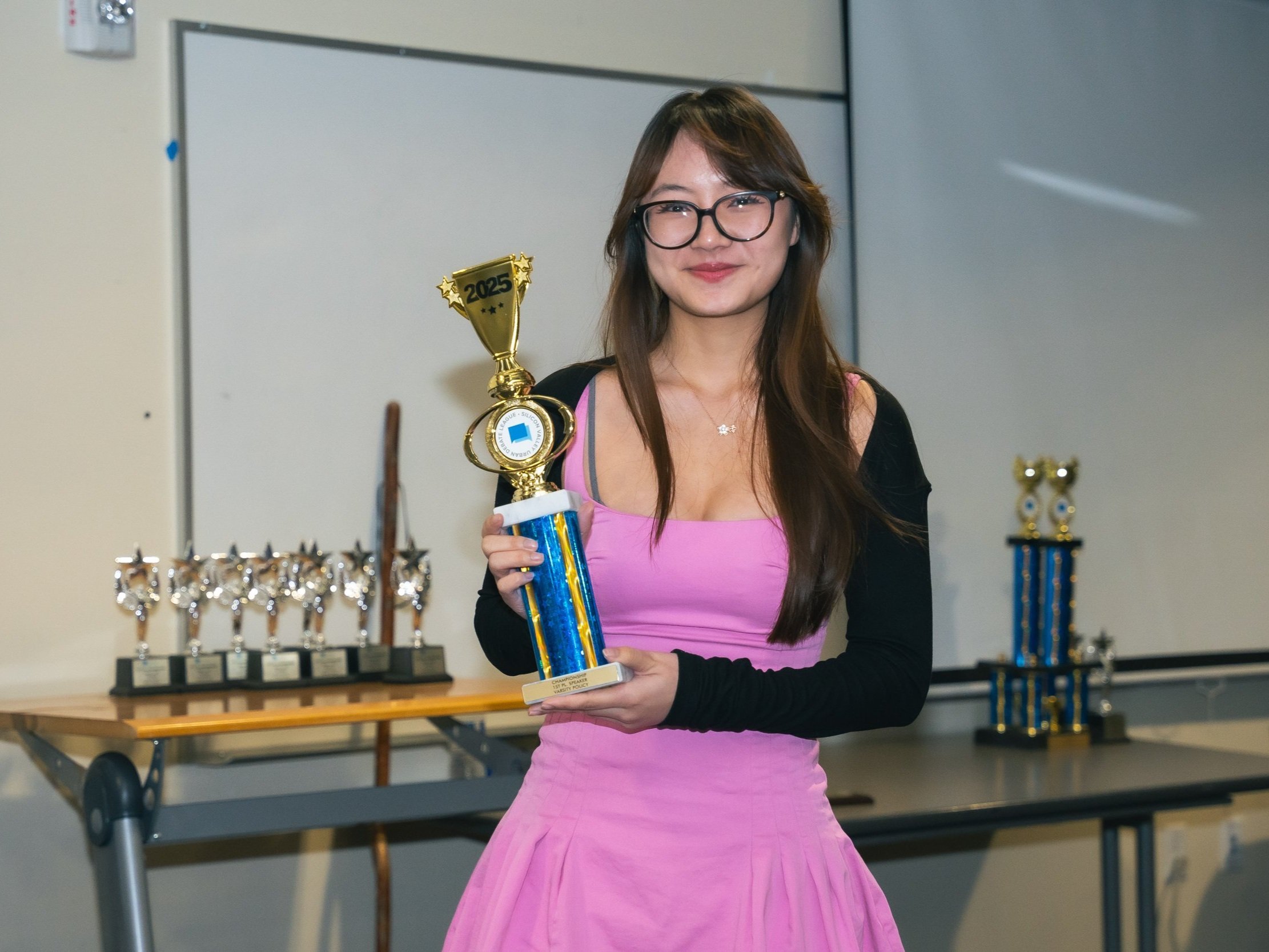
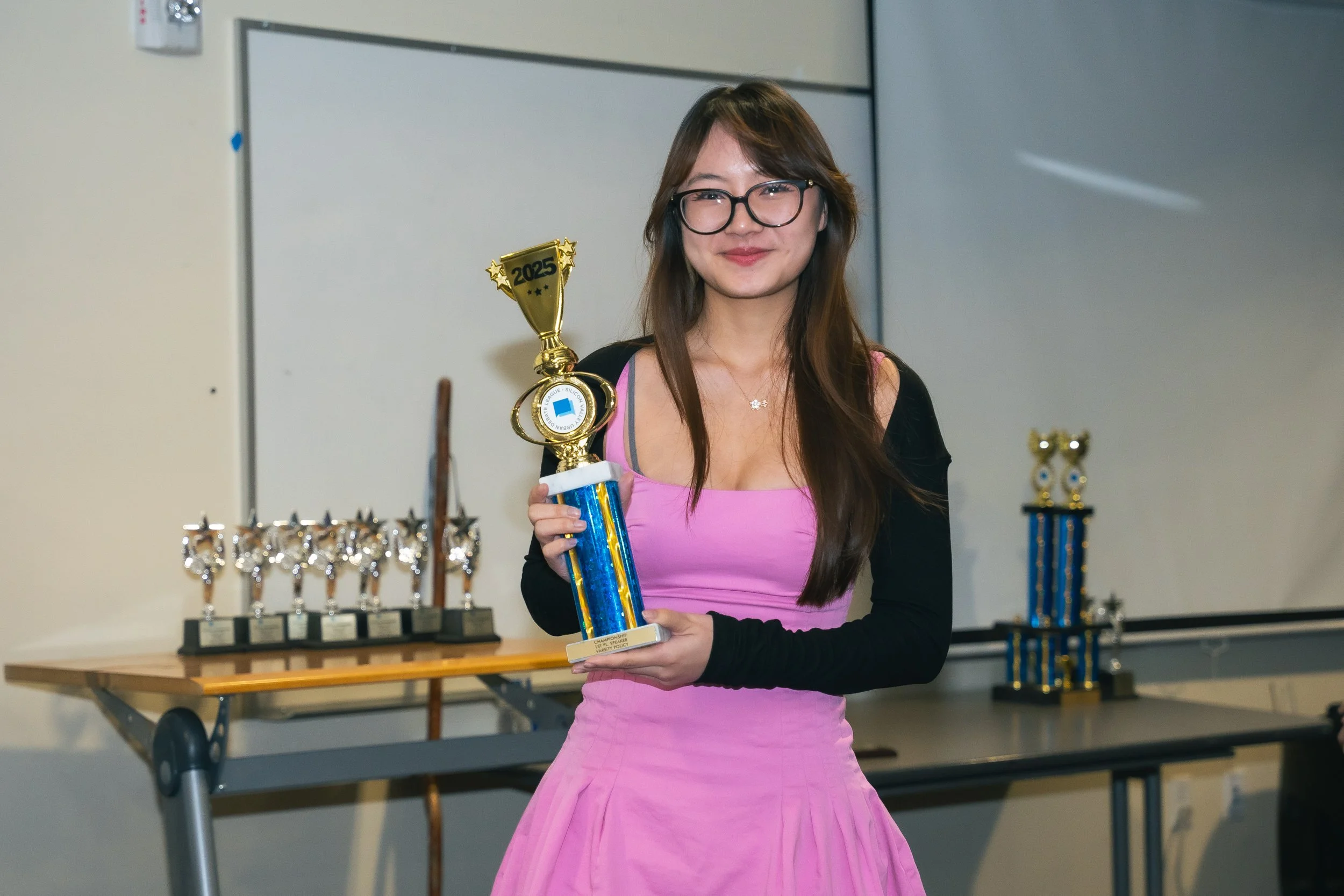
Discomfort is something many of us strive to avoid, but for Independence High School Senior Chloe Truong, it became a catalyst for growth. Through her involvement with SVUDL, Chloe learned to embrace discomfort in ways she never imagined possible. In this story, Chloe explains how “sitting with discomfort," paired with a newfound sense of audacity, helped her navigate imposter syndrome and the unique challenges she faced as a female debater. It was this audacity that allowed her to grow, thrive, and become the confident speaker she is today. In fact, Chloe was just named NAUDL’s 2025 Debater of the Year. Keep reading to learn more!
"During quarantine, I started to reflect on finding my voice," Chloe began. "I come from a big family with three brothers, and it was often hard to speak up and be heard. I wanted to develop conversational skills and build a sense of confidence. I was focused on discovering who I was becoming, and when I asked about starting a Speech and Debate club at my school, I was told I couldn't because I was only a freshman. But then a few seniors started the team, and once they connected with SVUDL, I began participating in tournaments and events during my sophomore year."
Chloe shared that the greatest gift SVUDL offered her was the chance to learn how to sit with discomfort. "In order to debate, you have to be willing to be uncomfortable. At first, discomfort feels like something to avoid. But SVUDL showed me that discomfort is an opportunity for growth. Over time, I've learned to balance authenticity with excellence, and how to deal with conflict. It’s a constant journey of being tested and growing stronger through it."
SVUDL's tough love approach was something Chloe came to appreciate. "They didn't make things easy, and I actually appreciate that now. Looking back, I don't regret any of my experiences, no matter how uncomfortable they felt in the moment."
One pivotal moment came during her sophomore year. Chloe was paired with the team captain for a moot court event. "I was the newbie being carried by others," she recalled. "But at that event, something changed. I was terrified, unsure if I’d even make it to the finals. But we did, and when I found out I would be presenting to 300 people, I had to make a choice: either back out or take the leap. I chose the latter, knowing it was a once-in-a-lifetime opportunity. What I didn’t realize was how powerful that moment would be until I stood in front of everyone."
As Chloe faced the three prestigious judges, something clicked within her. "It felt like time slowed down. I was nervous, yes, but I was also comfortable with who I was and how I sounded. I was my own speaker, my own person. That moment was a breakthrough."
Through her participation in SVUDL, Chloe gained more than just speaking skills. "I began to find confidence in my values and my beliefs. In the past, I used to change the way I acted or spoke based on who I was with. But now, I’m grounded in my beliefs and confident enough to voice them with conviction. SVUDL helped me become more articulate, and that’s something I will carry with me forever."
As Chloe navigated the college application process, she realized just how much debate had shaped her. "When I was filling out my applications, I noticed that 13 out of the 20 activities I listed were from debate! It helped me reflect on how much I've grown. College applications are tough, but it was also a chance to recognize how far I've come, especially through SVUDL."
Chloe plans to major in political science, a bold decision in her family. "My parents had their heart set on me going into medicine or computer science because they have resources in those areas. It was through SVUDL that I found my voice and the confidence to pursue it. SVUDL gave me the tools to speak up and say, ‘I’m going to become a lawyer and go into politics.’"
"The most powerful tool I gained from SVUDL is a sense of audacity," Chloe explained. "In tournaments, especially at the national level, I often felt small. Sometimes I felt judged for how I looked, and I began to see the parallels between the debate world and the outside world—women face the same kind of scrutiny everywhere. Imposter syndrome is real for many women, and it’s disproportionately felt compared with our male counterparts."
Chloe reflected on how SVUDL helped her confront these feelings of discomfort. "I used to try to change who I was to make myself more 'digestible.' But through those experiences, I learned that I would never compromise my values or my identity for success. Now, I understand the importance of staying true to myself, even when it's uncomfortable."
Chloe’s perspective on authenticity and excellence has also shifted. "Before SVUDL, I thought authenticity and excellence were mutually exclusive. But now I realize that I deserve success, and I don’t have to compromise my authenticity to achieve it. SVUDL has taught me that these things can coexist, and I want to share that message with the debate community and beyond."
Speaking of deserving success, Chloe was recently named NAUDL’s 2025 Debater of the Year. “I’m very grateful to be this year's Debater of the Year award. None of this would be possible without the mentorship SVUDL provides. I think that overall my debate career has been fulfilling, and I can’t wait to see where these skills will take me in the future,” she said.
SVUDL’s influence has taught Chloe to question assumptions and change her inner dialogue. "Before SVUDL, there was a voice inside me that said, 'Stay small; stay comfortable.' Now, that voice is drowned out by a louder voice asking, 'Why not you?' This shift has changed how I view opportunities and my own potential. I still struggle with imposter syndrome and sometimes question if my achievements are due to luck. But SVUDL has helped me find my voice and accept who I am today."
Through her journey with SVUDL, Chloe learned to embrace discomfort as a stepping stone to growth and self-discovery. She now stands confident in her ability to speak up, face challenges head-on, and stay true to herself—no matter how uncomfortable it might feel.
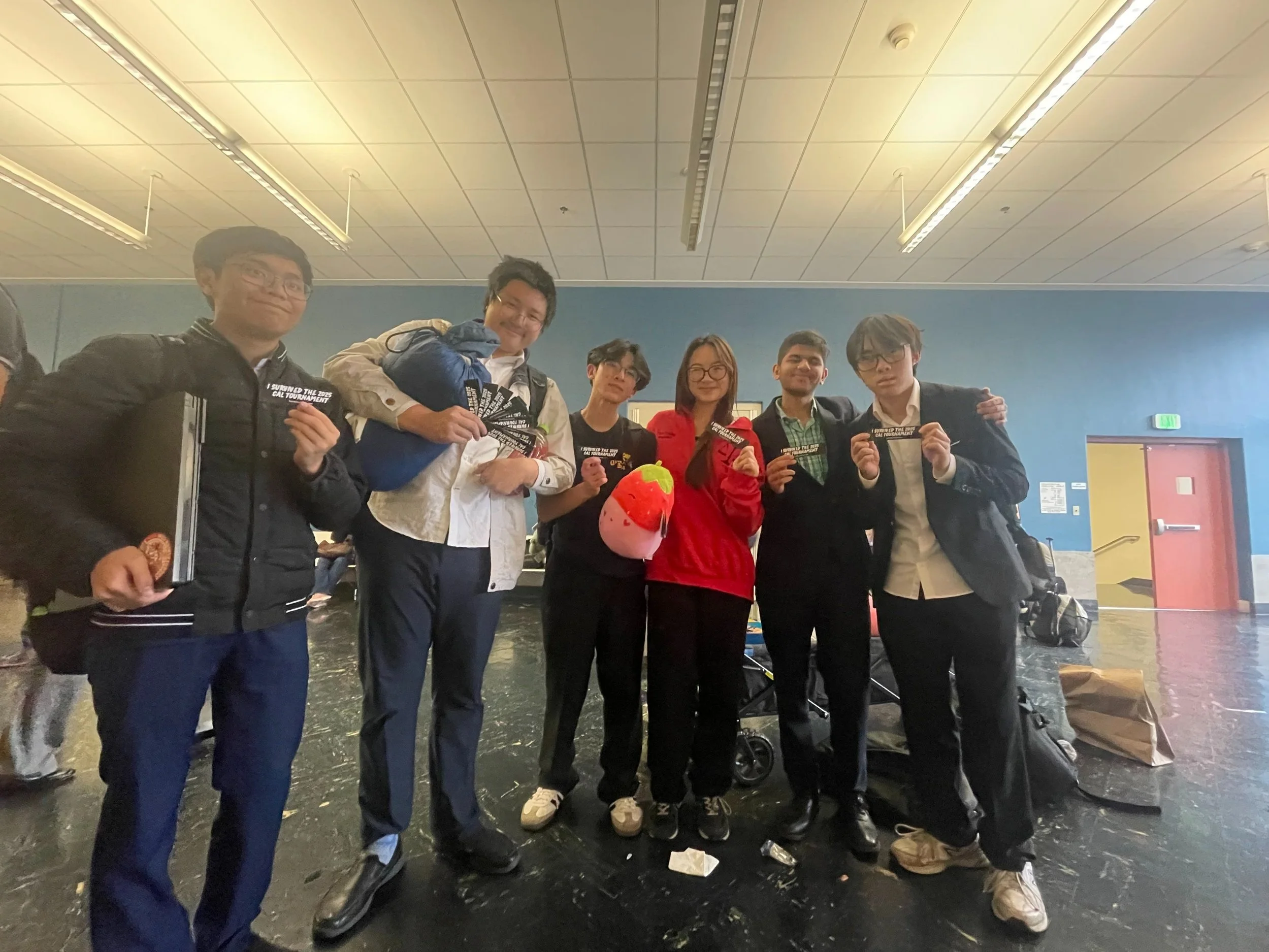
A Month Full of National Tournaments!
February brought with it a flurry of national tournaments! Last month, thirty-nine SVUDL students competed in at least one national competition, with almost half of those students competing at two or more tournaments over the course of the month. Click here to learn more about how SVUDL students navigated a month full of national tournaments.
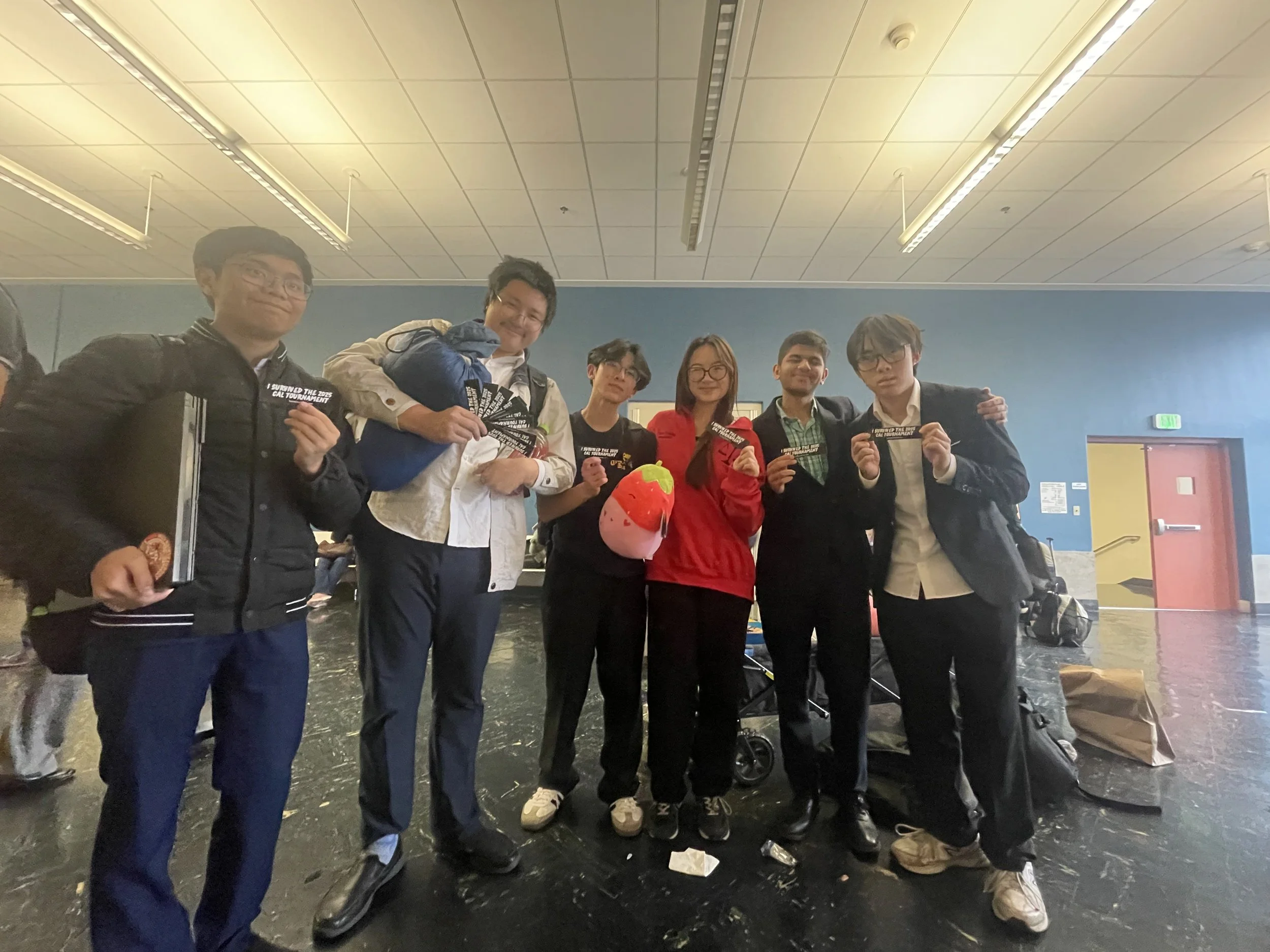
February brought with it a flurry of national tournaments! Last month, thirty-nine SVUDL students competed in at least one national competition, with almost half of those students competing at two or more tournaments over the course of the month.
Kicking off the month was the 39th Annual Stanford Invitational, held online from Saturday, February 8th through Monday, February 10th. Varsity entries at this national circuit tournament vied for coveted bids to the 2025 Tournament of Champions.
This year’s Stanford Invitational saw nineteen SVUDL students entered, including two Public Forum Debate teams from Independence High School and three World Schools Debate teams from Independence High School, Latino College Preparatory Academy, and Silver Creek High School.
Over six preliminary rounds, Public Forum debaters considered whether or not the United States should become a party to the International Criminal Court, weighing advantages and disadvantages in areas such as global human rights, conflict hotspots, and even domestic agricultural production. Meanwhile, World Schools debaters argued six different motions over the course of the weekend, with topics including the effect of visitor caps on major tourist destinations, the impact of industrialized agriculture, and the perceived dichotomy between the “natural” and the “artificial”.
Students shared that the Stanford Invitational was an excellent opportunity to test out the skills they had honed over the earlier part of the school year and identify areas of growth as they geared up for the peak of the tournament season.
Competition on the national circuit didn’t stop at Stanford. The very next weekend, over twenty-five SVUDL students woke up bright and early, ready to compete at the 2025 Cal Invitational. A classic national circuit competition and the largest high school Speech and Debate tournament in the country, the Cal Invitational was held almost entirely in-person on UC Berkeley’s campus from Saturday, February 15th to Monday, February 16th. (Only the World Schools division, a relatively new addition to Cal’s event schedule, was held online.)
At Cal, SVUDL entries were represented across eight different Speech and Debate divisions, including Lincoln-Douglas Debate, Policy Debate, Public Forum Debate, and World Schools Debate, as well as Extemporaneous Speaking, Impromptu Speaking, Informative Speaking, and Original Oratory. Thirteen in-person competitors from Independence High School, Mt. Pleasant High School, and Silver Creek High School made their way to and from UC Berkeley on Saturday and Sunday, while fourteen virtual World Schools competitors from Independence High School and Latino College Preparatory Academy gathered off-campus in San José for their rounds.
The days were long, and the competition appropriately fierce, at the biggest tournament of the season. But despite the grueling wake-up times and packed schedule, the in-person SVUDL cohort supported one another throughout the weekend at their home base in Dwinelle Hall, sharing wins and losses and prepping for upcoming rounds next to the fully-stocked SVUDL snack cart.
Interestingly, the February topics for Lincoln-Douglas and Public Forum both featured a focus on the International Criminal Court (ICC), which offered a unique opportunity for collaboration between SVUDL entries in both events. Ria Tyagi, a senior at Mt. Pleasant High School and previous Policy and World Schools debater, competed in Lincoln-Douglas Debate for the first time at the Cal Invitational in the Junior Varsity Division. Before her final Lincoln-Douglas round on Saturday night, Independence High School students and Public Forum debaters Ojas Gandhi and Frank Shau shared argument advice and evidence cards with Tyagi as she prepared to argue on the Negative against an ICC Affirmative. This was just one of many instances of cross-school collaboration and encouragement among the SVUDL cohort at Berkeley that enhanced the competitive experience for all.
SVUDL’s virtual World Schools cohort also came together within their teams to prepare themselves for diverse motions throughout the weekend. Among the topics debated included the Supreme Court’s decision to ban affirmative action in college admissions and the desirability of a world without nuclear capabilities.
The final tournament of the month was the 3rd Annual TOC Digital Speech and Debate Series 2, a virtual tournament held by the University of Kentucky (which also hosts the famed Tournament of Champions every spring). From Friday, February 22nd through Sunday, February 24th, twenty-four students represented our league across the Policy Debate, Public Forum Debate, World Schools Debate, and Informative Speaking divisions. Familiar names from Independence High School, Latino College Preparatory Academy, and Silver Creek High School competed at the online national tournament, joined by peers from Yerba Buena High School in the Policy division.
We are impressed by the dedication and skill demonstrated by SVUDL students at last month’s competitions. A special shout out goes to all of our judges, especially our alumni judges, at all three tournaments! Our students could not compete without your time and energy as hired and volunteer judges, and we are grateful to have you as part of our community.